











Professional Light Stands and Support Systems
Light stands and grip equipment form the foundation of professional studio and location lighting setups. Whether you're shooting portraits, commercial work, video production, or event coverage, reliable support systems keep your lights positioned exactly where you need them. From lightweight air-cushioned stands to rugged overhead systems, the right grip gear transforms how efficiently you work.
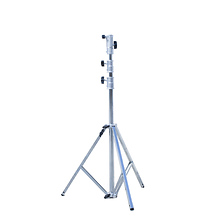
A quality light stand holds your lighting equipment securely without drift or sag. Professional stands distribute weight evenly, reducing setup time and enabling quick adjustments. Key factors include height range, load capacity, weight, and portability. Whether you're outfitting a permanent studio or building a mobile kit, studio and lighting equipment choices determine your comfort and reliability.
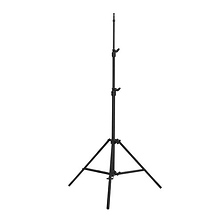
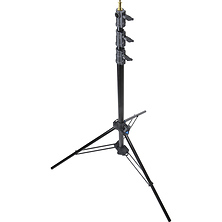
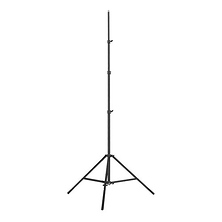
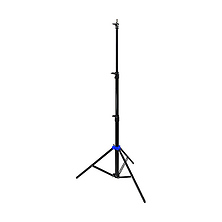
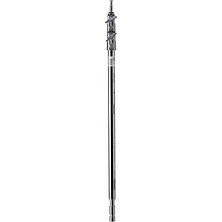
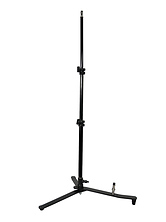
Light stands come in several configurations. Air-cushioned stands use pneumatic cylinders that dampen the weight of heavy lights, reducing operator fatigue. Carbon fiber stands offer maximum portability by reducing weight without sacrificing rigidity. Overhead systems mount to stands and booms for controlled positioning of large area lights or soft boxes.
Air-Cushioned and Carbon Fiber Stands
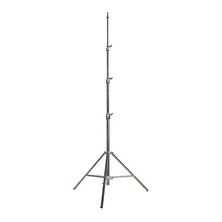
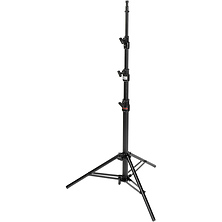
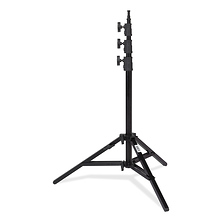
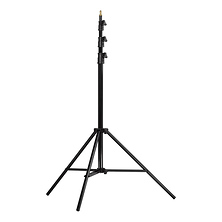
Air-cushioned stands feature internal springs that smooth the raising and lowering of heavy fixtures. This design reduces fatigue during long shoots and makes positioning smoother and more controllable. Brands like Westcott and Manfrotto build air-cushioned technology across multiple height ranges, from 6-foot compact models to 12-foot heavy-duty rigs.
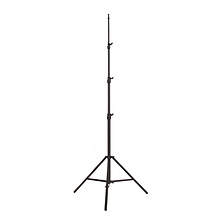
Carbon fiber construction delivers extreme portability. These stands weigh significantly less than aluminum equivalents, ideal for travel and location work. Many professionals maintain both aluminum stands for studios and carbon models for location shoots. While carbon fiber commands a premium price, the weight savings justify the investment for mobile work.
Grip Heads, Boom Arms, and Overhead Systems
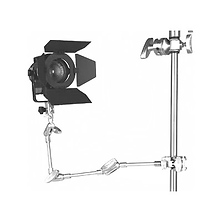
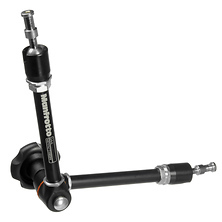
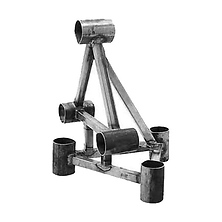
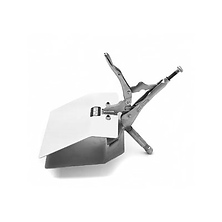
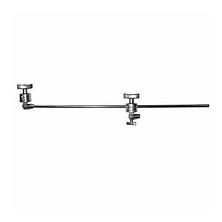
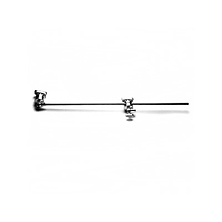
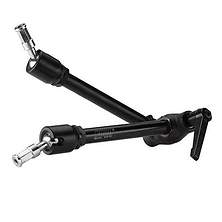
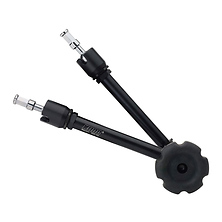
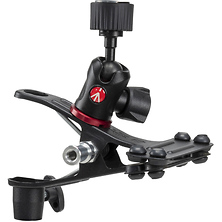
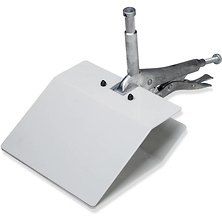
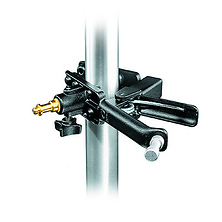
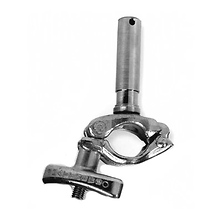
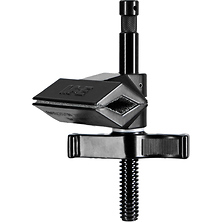
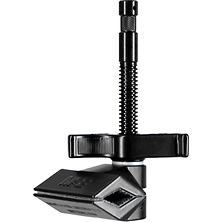
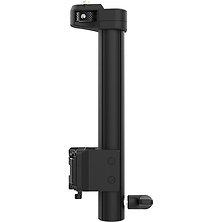
Grip heads mount lighting fixtures to stands using ball joints or friction arms, allowing 360-degree positioning and rapid fixture swaps. Gobo arms and extension arms extend your positioning options beyond basic stands, enabling reflectors or flags to be positioned without requiring a second stand. These modular systems from brands like Kupo and Matthews let you build custom configurations.
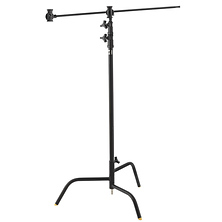
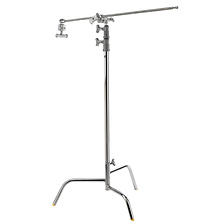
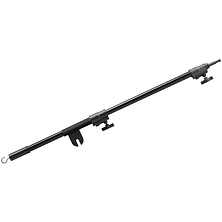
Boom arms extend horizontally from light stands, allowing you to position lights above subjects without stands in frame. Counterweight systems balance the load, keeping booms stable even with heavy fixtures mounted at the end. These systems are essential for overhead key lights in portraiture, product photography, and interior shoots where ground-level stands interfere with camera positioning.
Accessories and Load Management
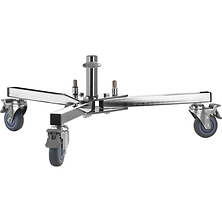
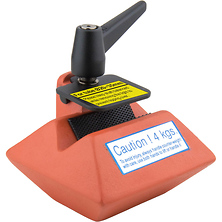
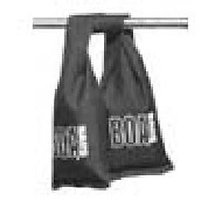
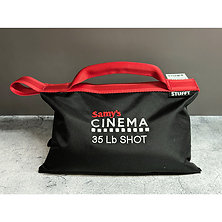
Sand and weight bags anchor light stands on smooth floors, preventing tip-over when heavy fixtures are mounted. Heavy-duty bags from brands like Kupo and Phottix accommodate multiple stands and keep your kit organized. Light stand bags protect equipment during transport and keep stands organized in your vehicle. Dolly systems transform individual stands into mobile platforms for tracking shots or rapid repositioning in video work.
- Air-cushioned cylinders for smooth height adjustment
- Carbon fiber construction for weight reduction
- Load capacities from 5 lbs to 100+ lbs per stand
- Height ranges from 3.5 feet to 14+ foot systems
- Quick-release grip heads for fast fixture swaps
- Counterweight systems for boom stability
- Sand bags and weight anchors for floor stability
- Protective carrying bags for transport
Who Uses Light Stands and Grip Equipment
Portrait photographers rely on light stands to position key lights and fill lights for controlled lighting. Product photographers depend on precise grip systems to hold reflectors and modifiers at exact angles. Videographers and filmmakers use stands for multi-light interview setups, commercial work, and narrative productions. Event photographers position key lights for ceremonies, relying on sturdy stands that won't tip in crowded environments.
Content creators building at-home studios choose compact stands that fit small spaces while delivering professional control. Documentary crews appreciate portable stands that travel to remote locations. Photographers working with video lighting and strobe equipment depend on stands that securely support their gear for hours at a time.
Selecting the Right Stand for Your Work
Start by identifying your typical setup and the weight of your heaviest fixture. A monolight strobe, continuous light, or soft box determines the load capacity you need. Consider whether you'll work primarily in studios, on location, or both. Studio work may justify heavier air-cushioned stands, while location work benefits from lightweight carbon fiber designs.
Height requirements vary by shooting style. Portrait work often uses stands in the 7-9 foot range, while overhead work requires taller systems. Evaluate the space where you'll work most frequently. Small studios need compact stands that fold to minimal dimensions, while outdoor work benefits from stands with wide-spreading legs for stability.
Frequently Asked Questions
What load capacity do I need for my light stand?
Check the weight of your heaviest fixture including modifiers. Stands should safely support 1.5 to 2 times the fixture weight to maintain stability. A strobe weighing 8 lbs with a soft box typically totals 12-15 lbs, requiring a stand rated for at least 20-25 lbs. Always verify the manufacturer's load capacity for your specific model.
Are air-cushioned stands worth the extra cost?
Air-cushioned stands reduce physical strain and make positioning easier and faster. For professionals shooting daily in studios, the ergonomic benefit often justifies the cost. If you're building a budget kit or use lightweight fixtures, basic aluminum stands may suffice. Many professionals maintain both types, using air-cushioned models in studios and basic stands for travel.
Can I use a camera tripod for lights?
Camera tripods are not designed for lighting equipment and can fail under the weight and torque of mounted lights. Light stands feature wider leg spreads, reinforced joints, and higher load ratings engineered for this purpose. Always use dedicated light stands for lighting gear.
What's the difference between Matthews and Kupo stands?
Both brands manufacture professional-grade stands with different specializations. Matthews offers a wide range of overhead and rolling systems. Kupo specializes in compact, portable designs. Both offer air-cushioned and standard models at various price points.
Do I need sand bags for outdoor work?
Wind and uneven terrain can destabilize light stands outdoors. Sand bags anchoring each stand leg significantly reduce tip-over risk. If you work outdoors regularly, quality sand bags are essential safety equipment.
How do boom arms attach to stands?
Boom arms typically mount via a grip head at the top of a stand. The arm extends horizontally with a counterweight system managing the load. Some stands feature dedicated boom sockets for secure connections. Verify compatibility before purchasing, as mounting interfaces vary by brand.
Shop Light Stands and Grip Equipment at Samy's Camera
Professional light stands from brands like Kupo, Manfrotto, Matthews, and Westcott give you the stable, precise positioning control that studio and location lighting demands. Whether you're building your first studio kit or expanding an existing system with overhead rigs, Samy's Camera carries stands, grip heads, and boom arms from industry-leading manufacturers. Fast shipping and expert support ensure your investment in lighting equipment pays off with years of reliable use. Browse Samy's full selection of light stands and grip equipment to find exactly what your workflow needs.