









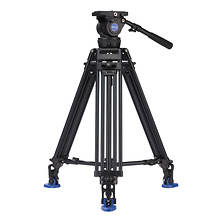

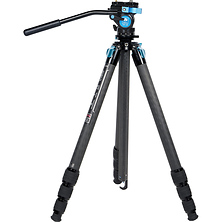
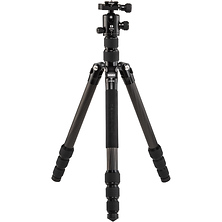
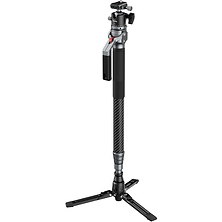

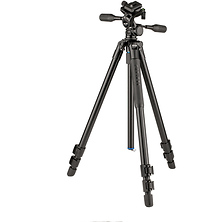
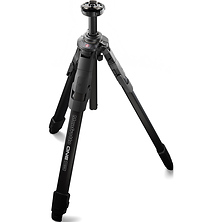
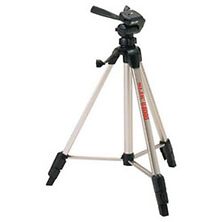
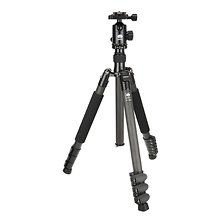



Tripod Systems for Every Photographer and Videographer
Sturdy tripods and reliable tripod heads form the foundation of sharp photography and smooth video work. Whether you're shooting a landscape at sunset, recording an interview, or capturing fast-paced action, the right support system keeps your camera steady and your composition precise. From lightweight travel tripods to heavy-duty studio setups, we carry options designed to handle every shooting scenario and camera weight you'll encounter.
A quality tripod transforms how you work. Locked-off framing eliminates camera shake, ensures sharp images at slower shutter speeds, and frees your hands to focus on timing and composition. Video creators benefit from smooth pans, tilts, and leveling that would be impossible without dedicated support. Photographers shooting long exposures, astrophotography, or detailed product work depend on tripod stability to achieve their vision. Even casual creators find that dedicated support equipment improves output quality and reduces fatigue during extended shoots.
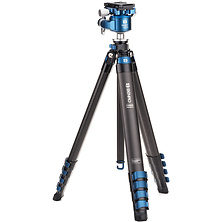
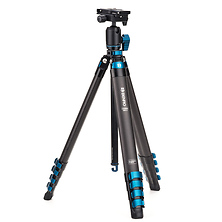
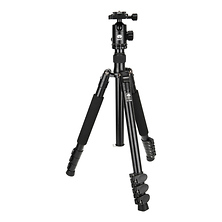
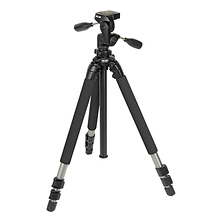
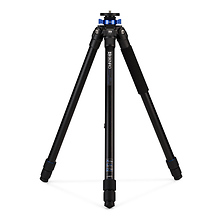
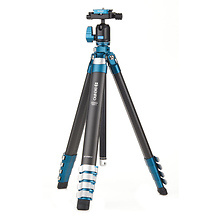
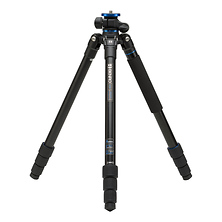
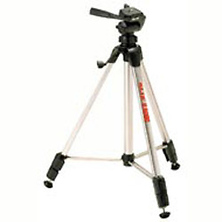
Tripod systems consist of two main parts: the legs and the head. The legs provide height adjustment, stability, and portability. The head is where your camera mounts, and its design determines how easily you can position and lock your framing. Understanding both components helps you choose a system that matches your shooting style and the subjects you photograph most.
Tripod Legs and Height Adjustments
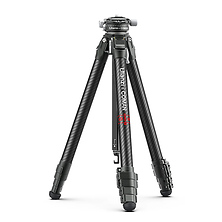
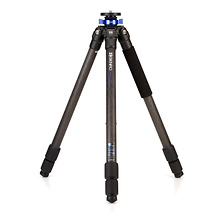
Tripod legs determine stability, portability, and the height you can achieve. Aluminum and carbon fiber are the primary materials. Aluminum tripods deliver dependable support at affordable prices, though they weigh more than carbon fiber alternatives. Carbon fiber tripods reduce arm fatigue during location shoots and travel work, though they cost more upfront. Both materials hold cameras securely when properly locked.
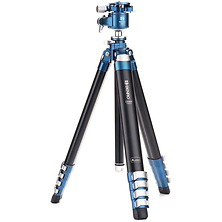
Modern tripod designs often feature leg angle selectors that let you spread legs at different angles without disassembling anything. Wider spreads provide rock-solid stability for studio or tripod-mounted video work. Narrower spreads let you position the tripod on uneven terrain or alongside subjects during close-range photography. For video work where consistent height and leveling matter, center column designs keep your camera level without requiring manual leg adjustment.
Maximum working height varies widely across models. Compact travel tripods may extend to eye level or slightly below. Full-size studio tripods can reach six feet or higher, allowing you to shoot overhead angles or place your camera above shoulder height for unique perspectives. Consider your average shooting height and typical subjects when evaluating height specifications.
- Two-section legs offer faster setup and better portability than three-section designs
- Three or four-section legs provide maximum compactness for travel and hiking
- Flip locks secure leg extensions quickly without requiring rotation
- Twist locks provide secure hold and can be faster to adjust since you can twist multiple sections at once
- Wide spreads (up to 65 degrees) provide maximum stability for video or studio work
- Narrow spreads enable positioning on slopes, in tight spaces, or close to subjects
- Center columns offer quick height adjustment but can reduce stability compared to leg spreading
- Hook at the bottom of the center column holds a weight bag for extra stability in wind
Tripod Heads and Positioning Systems
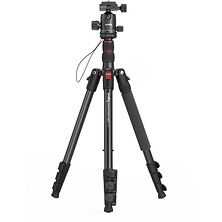
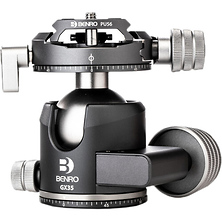
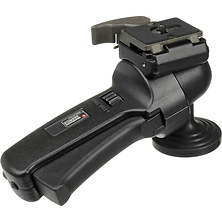
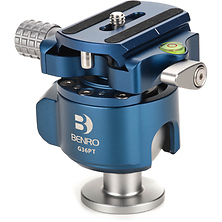
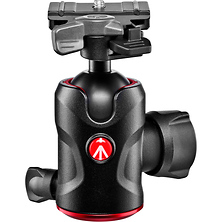
The tripod head determines how you position your camera and how smoothly you can move it. Ball heads offer the fastest adjustment, allowing you to unlock one ball joint and aim your camera in any direction with a single motion. Pan-tilt heads feature separate controls for panning left-right, tilting up-down, and rolling the camera for horizon leveling. Each design suits different workflows.
Ball heads excel for photographers who need to quickly reframe between shots. Landscape photographers frame a scene, lock the ball, shoot, then unlock to reposition within seconds. The simplicity reduces setup time and mental overhead on location. When working fast, this speed advantage becomes significant.
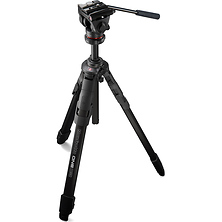
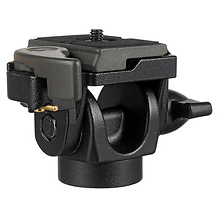
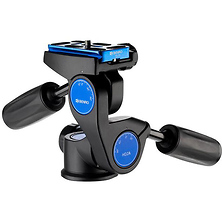
Pan-tilt heads appeal to video creators and precision-focused photographers. Separate pan and tilt controls let you move smoothly in one direction while keeping the other locked. A dedicated tilt handle lets you raise or lower your camera with one hand while keeping the other hand free. Leveling indicators built into many pan-tilt heads help you keep horizons straight without relying on your eye.
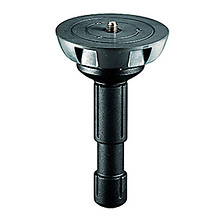
Geared heads feature knobs that adjust position with fine control, ideal for macro photography, product shots, and video where even millimeter-level precision matters. The mechanical advantage of gears lets you position heavy telephoto lenses with minimal force. Video creators benefit from smooth, repeatable moves when operating all three controls together.
- Ball heads unlock with one motion for omnidirectional positioning
- Pan-tilt heads offer separate left-right and up-down controls with independent locks
- Geared heads provide fine-tooth adjustment for precision work and smooth video moves
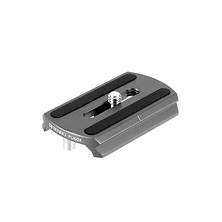
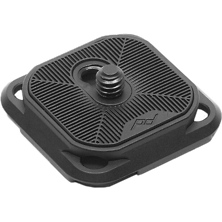
- Quick-release plates speed up camera mounting and swapping between camera bodies
- Fluid heads use viscous damping for smooth pans and tilts ideal for video work
- Panorama heads enable precise side-to-side alignment for stitching multiple images
- Leveling indicators help keep horizons straight during composition
- Maximum payload ratings ensure safe support for your camera and lens combination
Choosing the Right Tripod System
Match your tripod system to your primary shooting activity and camera setup. Lightweight travel photographers may prioritize compact size and low weight over maximum stability. Studio photographers setting up for controlled shoots value maximum height and rock-solid steadiness. Video producers need smooth head operation and reliable leveling.
Consider your camera and lens combination weight. A mirrorless camera with a standard lens weighs far less than a full-frame DSLR with a telephoto lens. Heavier combinations need tripods and heads rated for higher payloads. An undersized tripod will feel wobbly and may tip under load. An oversized tripod makes location work exhausting.
Workstation photographers benefit from robust heads with precise controls and maximum bearing capacity. Travel photographers want lightweight, quick-to-setup systems even if they sacrifice some stability. Video creators prioritize smooth, damped movement and repeatable positioning. Event photographers may want fast ball head repositioning between candid moments.
Budget matters, but a solid used tripod often outperforms a cheap new one. Quality support equipment works for decades if properly maintained, making it one of the best investments a photographer can make.
Brands and Design Specialties
Manfrotto designs tripods and heads for photographers and videographers, with models ranging from compact travel systems to professional studio support. Gitzo specializes in carbon fiber tripods engineered for precision and weight savings. Sirui and Benro offer reliable support systems at accessible price points. Slik provides dependable systems with European engineering heritage. Each brand brings particular strengths to different shooting scenarios.
Professional video production often relies on fluid heads that provide damped panning and tilting motion unavailable in basic tripod heads. Studio photographers frequently choose geared heads for millimeter-level positioning precision. Travel photographers prioritize light weight and compact size even if ultimate stability decreases. Understanding these specialties helps you find the right tool for your specific work.
Frequently Asked Questions About Tripods and Heads
How Much Camera Weight Can a Tripod Safely Support?
Every tripod and head has a maximum payload rating indicating the heaviest camera and lens combination it can securely hold. This rating includes your camera body, lens, and any accessories mounted on the camera. Check both the tripod leg rating and the head rating, then use the lower number as your safe limit. Exceeding the rating risks tipping, slipping, or equipment damage. When in doubt, choose the next size up for safety and better performance.
What's the Difference Between a Quick-Release Plate and a Standard Screw Mount?
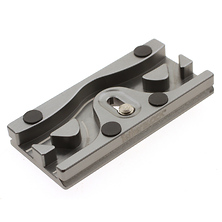
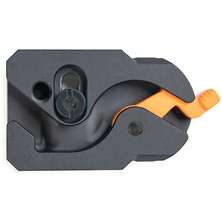
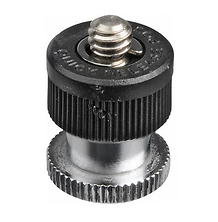
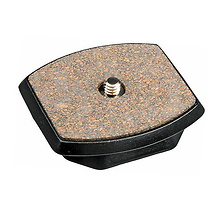
Standard screw mounts require you to twist your camera onto the tripod head's 1/4"-20 bolt, which takes time and can wear out tripod sockets over years of use. Quick-release plates mount a base plate to your camera once, then your camera snaps onto and off the tripod head with a simple lever or pin. Professional photographers prefer quick-release systems because they enable faster camera swaps, reduce socket wear, and make working with multiple camera bodies more efficient. Many quick-release designs also include safety catches preventing accidental drops.
Can I Use a Ball Head for Video Work?
Ball heads work for video when you're shooting locked-off static shots. Unlock the ball, position your camera, lock it down, and it stays put. However, ball heads feel imprecise when performing pans and tilts during video recording because even small movements are difficult to control smoothly. Pan-tilt heads with fluid damping and smooth handles perform far better for moving shots. For documentary or interview work where your camera stays stationary, a good ball head is perfectly adequate. For cinematic moves, choose a pan-tilt or fluid head.
How Do I Level a Tripod on Uneven Ground?
Spread the legs at different angles to accommodate slope. One leg extends shorter on the uphill side while the other two spread normally. Adjust until your camera's built-in level indicator shows true. Ball head tripods may require leg adjustment, then fine-tuning with the ball joint to get the sensor level. Pan-tilt heads often feature leveling knobs or ball adjustments separate from the pan and tilt functions. Some photographers place shims or small wedges under tripod feet to level quickly. Always verify level before attaching expensive camera gear.
What's the Advantage of Carbon Fiber Tripods Over Aluminum?
Carbon fiber tripods weigh significantly less than aluminum for equivalent stability, reduce vibration transmission, and dampen shock better when bumped. For photographers carrying gear long distances, the weight savings matter. Carbon fiber costs more upfront and requires careful handling to avoid damage, but the durability matches or exceeds aluminum when treated properly. Many professionals accept the higher cost for lighter weight and superior vibration control. Budget-conscious photographers find aluminum perfectly adequate for studio or car-based shooting where weight is less critical.
Do I Need a Special Tripod for Telephoto Lenses?
Heavy telephoto lenses require tripod systems rated for higher payloads. A sturdy ball head designed for maximum stability and proper mass distribution works for most telephoto combinations. Some photographers prefer geared heads for telephoto work because the mechanical advantage reduces hand fatigue and enables precise focus point positioning during video. The tripod legs matter more than the head in this case. Ensure the legs and center column can support your full camera and lens assembly without wobble, and you're ready to shoot.
Shop Tripods and Heads at Samy's Camera
Choosing the right tripod system elevates your photography and video work in ways that no camera upgrade can match. Stability eliminates motion blur, enables longer shutter speeds, improves composition consistency, and lets you focus on timing instead of handholding strain. Samy's Camera carries tripods and heads from trusted brands built for serious photographers and videographers. Browse our selection, read detailed specifications, and find the support system that matches your shooting style. Our team can answer questions about compatibility, payload ratings, and setup details to help you make the right choice.
Explore light stands and grip equipment to expand your creative options. Visit us online or at a Samy's location to test tripods in person and experience the difference a quality support system makes.