








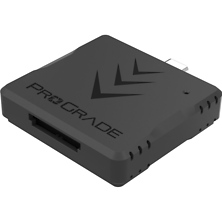
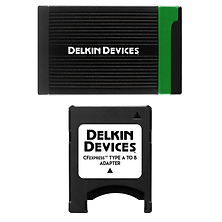
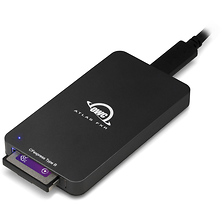

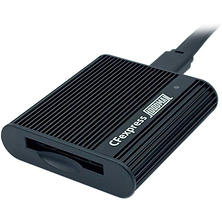
What Are CFexpress Card Readers?
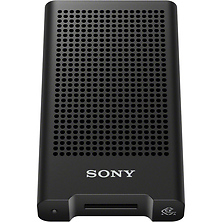
CFexpress card readers are essential tools for photographers and videographers who work with high-capacity CFexpress Type A or Type B cards. Whether you're transferring footage from a cinema camera, offloading images from a professional DSLR, or managing large video files, a quality card reader streamlines your workflow and protects your valuable data.
CFexpress cards deliver exceptional speed and storage capacity compared to older memory card formats. A CFexpress card reader allows you to transfer files from your CFexpress cards to your computer at the full speed those cards support. These readers connect via USB 3.2 or USB4, enabling data transfer rates ranging from 400 MB/s on USB 3.2 Gen 2 models to 5 GB/s on USB4-equipped readers. This difference matters when you're working with high-bitrate video files or processing large batches of high-resolution images on deadline.
Most CFexpress readers are compact, bus-powered devices that require no external power source. They work seamlessly across Mac and Windows systems, making them equally useful whether you're in a studio or on location.
CFexpress Type A vs. Type B Readers
CFexpress cards come in two physical formats, each requiring a dedicated reader. Understanding the differences helps you select the right reader for your workflow.
CFexpress Type A Readers
Type A cards are narrower and shorter than Type B, measuring approximately 42.8mm x 29.8mm. These cards are ideal for applications where space and weight matter, particularly in mirrorless cameras and compact cinema systems. Type A readers are typically USB 3.2 Gen 2-based, supporting data transfer rates up to 700 MB/s depending on the specific card and reader model.
CFexpress Type B Readers
Type B cards measure roughly 60mm x 38.5mm and support higher capacity and faster speed specifications. Professional cinema cameras and high-end broadcast systems rely on Type B CFexpress storage. Type B readers leverage both USB 3.2 Gen 2 and USB4 connectivity, with USB4 models supporting sustained transfer rates exceeding 4 GB/s.
Key Features to Consider
- Connectivity standard (USB 3.2 Gen 2 vs. USB4)
- Card type compatibility (Type A, Type B, or dual-format)
- Build quality and connector durability
- Bus-powered operation (no external power required)
- Cross-platform compatibility (Mac and Windows)
- Compact form factor for portable workflows
- Brand reliability and warranty support
Speed Standards and Performance
CFexpress card readers are categorized by their connectivity standard, which determines maximum theoretical data transfer rates.
USB 3.2 Gen 2 Readers
These readers support up to 10 Gbps data transfer, translating to approximately 400-700 MB/s in real-world use. USB 3.2 Gen 2 readers represent a practical choice for photographers and videographers working with standard bitrate video or large image batches. Most readers for CFexpress Type A cards fall into this category.
USB4 Readers
USB4 offers up to 40 Gbps theoretical bandwidth, enabling sustained transfers of 4-5 GB/s depending on your computer's capabilities and card speed. USB4 readers target professional filmmakers and post-production environments where data throughput is critical. These readers work with Type B CFexpress cards and handle the demands of 8K video acquisition and high-bitrate cinema workflows.
Who Uses CFexpress Readers
Photographers shooting with Sony mirrorless systems often use Type A CFexpress cards and corresponding readers for rapid image offloading. Filmmakers working with cinema-grade cameras depend on Type B readers to manage footage transfers efficiently. Post-production teams handling high-capacity digital cinematography projects require USB4 readers to meet tight turnaround deadlines. Even independent content creators benefit from reliable card readers that accelerate their backup and archival processes.
Frequently Asked Questions
Do I need a separate reader for each CFexpress card type?
Yes, CFexpress Type A and Type B cards use different physical connectors. Some manufacturers offer dual-format readers that accept both types, but dedicated readers are more common and often more affordable.
Can I use a CFexpress reader with other card formats?
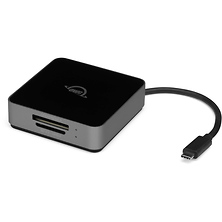
Most CFexpress readers are single-format devices designed specifically for CFexpress Type A or Type B cards. Multi-format readers that include CFexpress slots alongside SD slots do exist, but traditional CFexpress-only readers won't accept other card types.
What USB standard do I need on my computer?
USB4 readers require USB4 ports to achieve their maximum transfer speeds. USB 3.2 Gen 2 readers work with USB 3.2 Gen 2 or faster ports. Backward compatibility means you can connect a USB4 reader to a USB 3.2 port, but you'll experience reduced transfer speeds.
Are bus-powered readers sufficient, or do I need external power?
CFexpress card readers draw minimal power and operate reliably via USB bus power. You don't need an external power adapter; the reader draws what it needs from your computer's USB port.
Which brands manufacture reliable CFexpress readers?
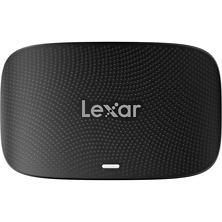
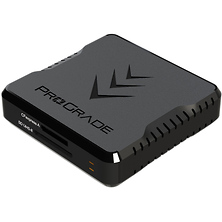
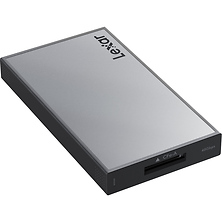
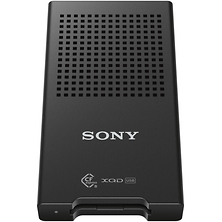
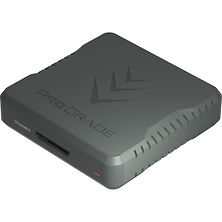
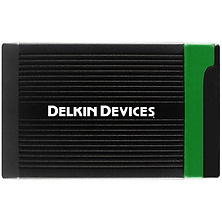
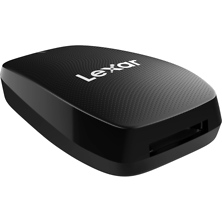
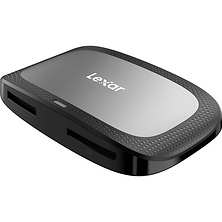
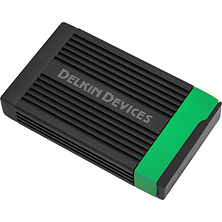
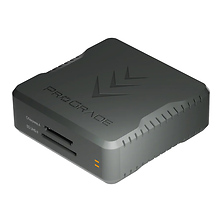
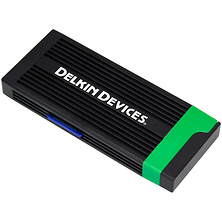
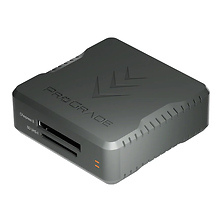
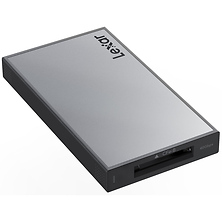
Sony produces high-quality Type A readers for their camera systems. Lexar and Delkin Devices offer professional-grade readers for Type B cards. Prograde Digital specializes in high-speed USB4 readers for demanding video workflows.
What's the difference between my camera's built-in reader and a standalone reader?
Some cinema cameras include built-in CFexpress readers, but they typically offer slower transfer speeds than dedicated USB4 readers. Standalone readers provide flexibility, faster transfers, and eliminate the need to connect your expensive camera directly to your computer.
Shop CFexpress Readers at Samy's Camera
Whether you're capturing images with Digital Mirrorless Cameras, working with Digital Cinema Cameras, or building a professional post-production suite, a reliable CFexpress card reader accelerates your workflow. Samy's carries Memory & Storage solutions from industry-leading manufacturers. Browse our selection of USB 3.2 and USB4 readers, compare specifications, and find the model that matches your speed and compatibility requirements. As the West Coast's photography authority since 1976, Samy's Camera ensures you have the tools professionals rely on. Stop by one of our Store Locations or shop online today.