






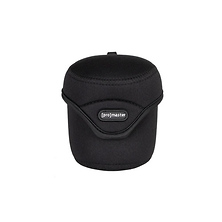
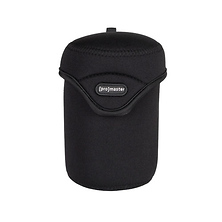
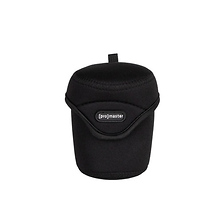

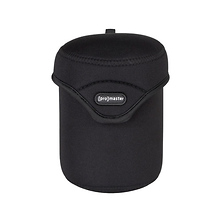

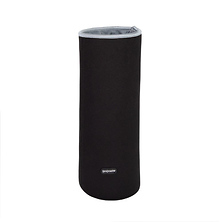
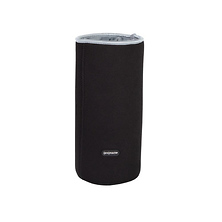

Lens Cases and Pouches for Every Lens Size
Lens cases and pouches provide affordable protection for your lenses during transport and storage. Whether you're moving between shooting locations or safeguarding your glass in a camera bag, a dedicated lens case shields your optics from dust, moisture, and accidental impacts. From compact drawstring pouches that hold individual lenses to wide-mouth cases that accommodate multiple sizes, these accessories ensure your lenses stay clean and protected between shots.
Protecting your lenses extends their lifespan and maintains optical clarity. A quality lens pouch weighs ounces and takes minimal space in your camera bag, yet prevents costly repair work from environmental damage. Neoprene construction resists moisture, dents, and dings while remaining soft enough to avoid scratching lens barrels or front elements.
Lens pouches come in standardized sizes to match common focal lengths. Compact pouches hold prime lenses and telephoto converters. Medium sizes fit wide-angle and standard zoom lenses. Larger cases accommodate super-telephoto glass or multiple lenses stacked together. With dozens of size options available, you'll find an exact match for your lens lineup.
Types of Lens Cases and Pouches
Protective lens storage solutions fall into a few practical categories, each suited to different packing and workflow needs.
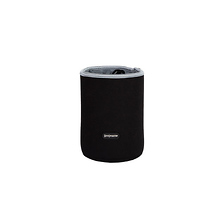
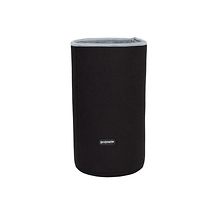
- Drawstring lens pouches use cord closures and slide easily into camera bags without taking up shelf space
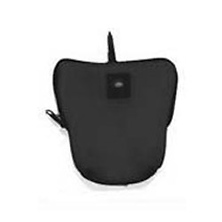
- Fold-over lens pouches feature hook-and-loop closures for one-handed operation when changing lenses quickly
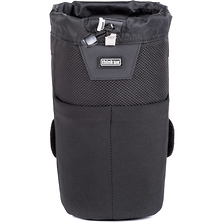
- Wide-mouth lens cases with zipper closures accommodate lenses of varying diameters and work for side-by-side storage
- Padded lens cases with rigid construction protect glass from crushing force during air travel or rough handling
Drawstring styles are lightest and most compact. Fold-over designs balance accessibility with protection for working photographers. Wide-mouth zippers offer speed when you need to grab a lens and swap it onto your camera body without fumbling. Most shooters own multiple pouch styles to handle different situations.
Materials and Construction
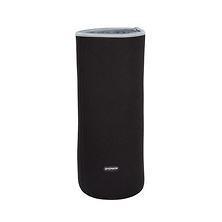
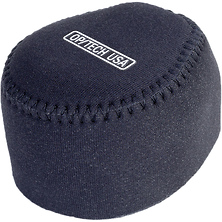
Lens pouches use neoprene as the standard protective material. This synthetic rubber compound resists moisture, provides cushioning, and allows air circulation so your lenses dry naturally after damp conditions. Neoprene remains flexible across temperature changes, unlike rigid plastic cases that become brittle in cold weather.
Seams are reinforced with stitching to prevent separation. Closures use hook-and-loop fasteners for durability, draw cords for smooth operation, or YKK zippers for reliability. Interiors are typically lined with soft fleece or microfiber to avoid contact scratches on lens barrels.
For lens accessories like converters, extension tubes, and teleconverters, small dedicated pouches keep these items organized within your kit. Some photographers use lens pouches to organize filter pouches and protect filters during travel.
Lens Size Guide
Matching pouch size to your lens is straightforward. Measure your lens with the front cap on, from the front element to the rear lens mount. Most pouches list interior dimensions in inches or centimeters.
- Compact pouches (2" to 3" diameter) fit primes, fast lenses, and telephoto converters
- Standard pouches (3" to 4" diameter) suit wide-angle and standard zoom lenses
- Large pouches (4" to 5" diameter) accommodate telephoto zoom glass and super-telephoto lenses
Brands like Promaster and Dot Line offer comprehensive size ranges so you won't need to compromise on fit. A pouch that's slightly too large protects just as well but wastes bag space. One that's too tight creates pressure points that damage coatings over time.
Who Uses Lens Cases and Pouches
Professional photographers carry multiple lenses to handle assignments that demand range and versatility. Protecting each lens individually prevents cross-contamination when one gets dusty or wet on location. Wedding shooters working fast-paced events change lenses between setup shots, receptions, and details. Studio photographers with permanent kits safeguard glass while moving between studios or clients.
Travel photographers limit their case weight and volume. Lightweight drawstring pouches stack efficiently inside rolling luggage or backpacks, adding protection without the bulk of hard cases. Hiking and outdoor photographers protect lenses from sand, spray, and dust in challenging environments. Content creators with mobile rigs keep compact pouches handy for quick lens swaps during video shoots.
Amateur photographers just beginning to build lens collections use pouches to organize growing glass. As lens counts grow from one or two to six or eight, individual pouches become more valuable than generic padding. Even photographers who use larger hard cases or camera bags for storage often carry individual lens pouches for transport between vehicles or shoots.
Frequently Asked Questions
What size lens pouch do I need?
Measure your lens barrel diameter (not including focus ring) and length with the front cap on. Lens pouch sizes are listed by interior dimensions. Choose a pouch that matches your lens dimensions snugly to avoid excessive movement inside the pouch. A slight gap is acceptable and won't compromise protection, but more than half an inch of extra width is wasteful. If you own several lenses, buy different pouches for different sizes rather than one oversized case that fits everything loosely.
Can I fit multiple lenses in one pouch?
Wide-mouth lens pouches with zippers can hold two smaller lenses stacked side-by-side, but this approach limits accessibility and increases crush risk during bag compression. Most photographers prefer individual pouches for each lens so they can swap lenses without unpacking the entire case. This also protects against cross-contamination if one lens picks up dust on location.
Do lens pouches protect against impacts during air travel?
Neoprene pouches cushion lenses from minor bumps and dings but provide limited impact protection compared to rigid hard cases. If your luggage will be thrown around or heavily compressed during air travel, consider rolling cases or hard cases for checked baggage. Lens pouches work well for carry-on protection and within padded camera bags during travel.
How do I clean the inside of a lens pouch?
Use a dry microfiber cloth or air bulb to blow out dust and debris. If the interior becomes damp, hang the pouch upside-down in a warm, dry place until completely dry before storing lenses inside. Avoid washing pouches in water, as moisture trapped in neoprene creates mold and mildew. For stubborn debris, gently wipe the fleece lining with a barely damp cloth and allow to air dry completely.
Are lens pouches TSA-approved for air travel?
Yes. Lens pouches present no security concerns and pass TSA screening in carry-on or checked baggage. Empty pouches weigh mere ounces, making them ideal for packing within luggage. TSA agents may ask to inspect lenses during security screening regardless of whether they're in pouches, but the pouches themselves don't trigger any restrictions.
Can I use a lens pouch for other camera accessories?
Absolutely. Photographers often repurpose lens pouches for converters, extension tubes, teleconverters, and small accessories like lens caps or cleaning cloths. The soft interior protects any precision equipment. Some use them to organize tripod bags components or small lighting gear in camera bags.
Shop Lens Cases & Pouches at Samy's Camera
Whether you're building your first lens collection or upgrading protection for established glass, Samy's Camera carries durable, affordable lens pouches in every size you need. Our selection from trusted brands like Promaster, Dot Line, Think Tank Photo, and OP/TECH USA ensures your lenses stay protected from dust, moisture, and impacts. Browse our full range of camera accessories, find the pouches that fit your needs, and keep your optics in pristine condition. Fast shipping and expert support available online and at our retail locations.