














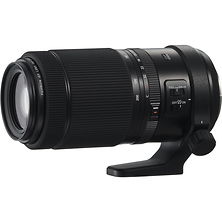
Understanding Telephoto Lenses
Telephoto lenses extend your reach and compress perspective, making them essential tools for wildlife, sports, and portrait photographers. Whether you're photographing distant subjects or want the visual effects of a longer focal length, telephotos range from moderate focal lengths like 70mm to extreme super-telephotos exceeding 600mm, offering options for every photography discipline.
Telephoto lenses are defined by longer focal lengths that magnify distant subjects and create distinctive shallow depth-of-field characteristics. Unlike wide-angle lenses that expand perspective, telephoto lenses compress the spatial relationship between foreground and background elements. This compression effect is why telephoto lenses are prized for sports, wildlife, and portrait work where subject isolation and background blur are creative priorities.
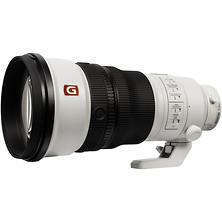
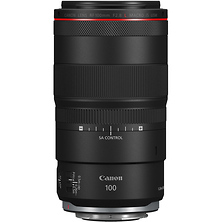
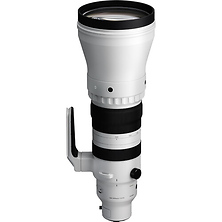
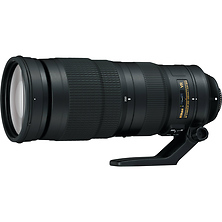
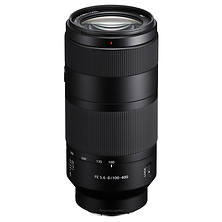
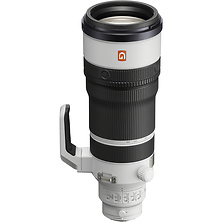
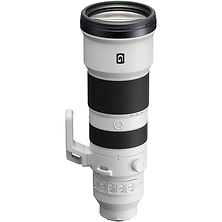
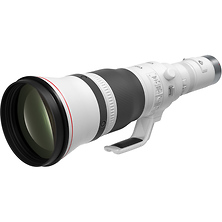
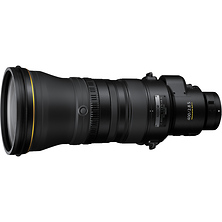
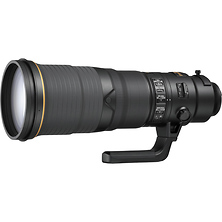
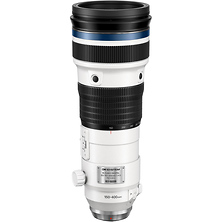
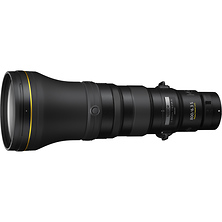
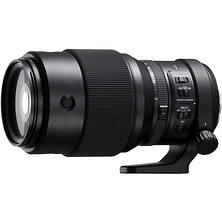
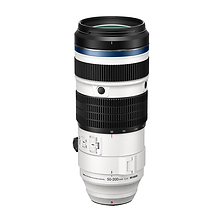
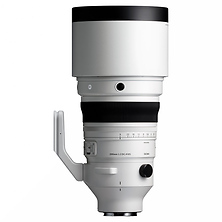
Focal length drives telephoto categorization. A 70mm lens on a full-frame camera begins the telephoto range, while 100mm, 135mm, and 200mm lenses occupy the moderate telephoto category. Zoom lenses like 70-200mm and 100-400mm offer focal length flexibility within the telephoto range. Super-telephoto lenses begin at 300mm and extend to 600mm or beyond for extreme wildlife and sports applications.
Prime vs. Zoom Telephoto Lenses
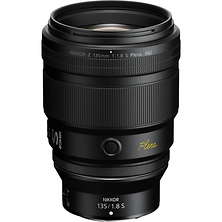
Telephoto lenses come as either prime lenses (fixed focal length) or zooms (variable focal length). Prime telephoto lenses like 135mm, 200mm, and 400mm optics deliver maximum optical quality, wider maximum apertures (f/2.8 to f/4), and more compact designs than comparable zooms. Zoom telephoto lenses sacrifice some aperture width and weight but offer the convenience of variable focal length without changing lenses between shots.
For professionals and serious enthusiasts, a combination of both prime and zoom telephoto options provides flexibility. A 70-200mm zoom covers everyday telephoto needs with a single lens, while dedicated 300mm or 400mm primes handle specialized wildlife and sports work where reaching maximum optical performance justifies the trade-off in lens changes.
- Prime telephoto lenses deliver maximum optical quality and wider apertures
- Zoom telephoto lenses offer focal length flexibility in a single lens
- Full-frame telephoto zooms like 70-200mm are standard in professional kits
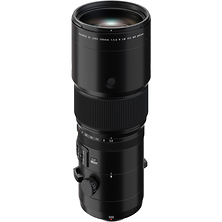
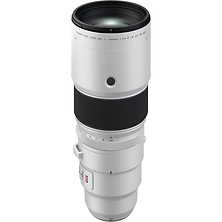
- Super-telephoto primes (300mm, 400mm, 600mm) excel for wildlife and sports
- Weather-sealed construction protects against dust and moisture in field conditions
Key Telephoto Specifications
Understanding telephoto lens specifications helps match optics to your photography style. Maximum aperture (f/2.8, f/4, f/5.6) determines light-gathering ability and background blur potential. Focal length drives magnification and field of view. Minimum focus distance affects subject proximity and macro-style work. Weight and size become critical considerations for handheld telephoto shooting.
Image stabilization (offered by brands like Canon, Nikon, and Sony) significantly improves handheld shutter speed performance. A telephoto lens with effective stabilization extends usable shutter speeds by 2-4 stops, critical for telephoto work where camera shake is magnified at longer focal lengths.
Telephoto Lenses by Use Case
Different photography disciplines benefit from different telephoto approaches. Wildlife photographers often pair moderate zooms (70-200mm) with super-telephoto primes (400mm, 600mm) for flexibility and reach. Sports photographers frequently use 70-200mm f/2.8 zooms for their reliability, autofocus speed, and aperture performance. Portrait photographers may choose 85mm, 135mm, or 200mm primes for their optical character and background compression.
Brands and Ecosystem Considerations
Major camera brands offer telephoto lens systems optimized for their specific mount standards. Fujifilm X-mount systems, third-party manufacturers like Sigma and Tamron extend your telephoto options across major mounts with competitive alternatives. When selecting a telephoto lens, consider your current camera system. Investing in lenses that match your camera's native mount ensures native autofocus performance, electronic communication, and compatibility with in-body features like image stabilization coordination.
Telephoto Lens Accessories
Extend your telephoto capabilities with complementary accessories. Teleconverters (1.4x and 2.0x multipliers) boost focal length at the cost of light and autofocus speed. Lens cases and camera bags designed for telephoto lenses keep your investment protected and organized. Professional-grade Tripods and Heads stabilize longer focal lengths and reduce fatigue during extended shooting sessions.
Who Uses Telephoto Lenses
Wildlife photographers rely on telephoto lenses to photograph birds, mammals, and distant animals without disturbing their natural behavior. A 400mm or 600mm telephoto extends reach across landscapes, enabling intimate close-ups of subjects dozens of meters away. Conservation photographers, nature documentarians, and wildlife enthusiasts all depend on telephoto reach.
Sports photographers use telephoto lenses to isolate athletes from crowd backgrounds and fill frames from fixed shooting positions like press boxes and sidelines. The background compression and subject isolation that longer focal lengths provide are essential to sports imagery. Event photographers shooting high school, collegiate, and professional events all reach for telephoto zooms.
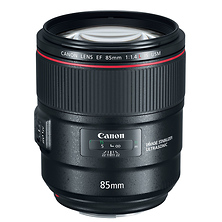
Portrait photographers select telephoto primes and moderate zooms to create flattering facial proportions and subject separation. Focal lengths like 85mm, 135mm, and 200mm compress facial features in ways that suit portraiture, while the shallow depth of field isolates subjects from busy backgrounds. Wedding, fashion, and studio photographers all leverage telephoto optics for artistic effect.
Travel and street photographers appreciate moderately longer focal lengths (70-100mm) for subject isolation without the bulk of extreme telephoto gear. A compact 70mm or 85mm telephoto provides optical character and background separation while remaining portable enough for all-day shooting.
Frequently Asked Questions
What focal length counts as telephoto?
Telephoto lenses typically begin at 70mm on full-frame cameras, though some photographers consider 50mm and above to have telephoto characteristics. The distinction matters less than how a focal length serves your photography. If you want background compression and subject isolation, a telephoto lens is right for your work regardless of exact focal length boundaries.
What's the difference between image stabilization and a tripod?
Image stabilization (in-lens or in-body) counteracts camera shake for handheld shooting, extending usable shutter speeds. A tripod eliminates camera movement entirely, enabling longer exposures and precise framing. For telephoto work, both tools are valuable. Stabilization allows handheld flexibility, while tripods provide ultimate sharpness during demanding sessions like wildlife and sports work.
Can I use a telephoto zoom instead of prime lenses?
Telephoto zooms like 70-200mm f/2.8 lenses handle most professional work without needing prime lenses. Where primes shine is extreme focal lengths (300mm-600mm) and maximum optical performance. For general telephoto work, a quality zoom is practical and delivers excellent results. Consider adding a prime only when your specialty (wildlife, sports) demands the reach or optical character that primes provide.
Which telephoto lens should I buy first?
Start with a 70-200mm f/2.8 or f/4 zoom if possible. This focal length range covers wildlife, sports, and portrait applications without specialized needs. It provides optical quality, autofocus reliability, and flexibility to explore different disciplines. As your needs evolve, add specialized telephoto options like 300mm or 400mm primes for wildlife, or 85mm-135mm primes for portraiture.
How do I stabilize telephoto lenses for handheld shooting?
Image stabilization built into the lens or camera body is the primary tool. Modern stabilization systems effectively extend usable shutter speeds by 2-4 stops. For critical sharpness, especially at slower shutter speeds or in lower light, a monopod or full tripod provides additional stability. Proper technique (steady stance, breath control) also significantly impacts sharpness with telephoto lenses.
What accessories matter most for telephoto work?
A reliable tripod or monopod is essential for stabilizing longer focal lengths. A protective lens case or camera bag safeguards your investment and keeps gear organized between shooting sessions. Teleconverters extend reach when needed, though they sacrifice light and autofocus speed. Consider your specific discipline when prioritizing accessories.
Shop Telephoto Lenses at Samy's Camera
Whether you're pursuing wildlife photography, covering sporting events, or crafting portraits with background separation, Samy's Camera stocks telephoto lenses from Leica and other leading brands. Expert staff can help you find the right telephoto focal length and aperture for your camera system and photography goals.