








Digital Backs and Accessories for Medium and Large Format Systems
Digital backs turn a medium format or large format camera into a high-resolution digital capture system, and the accessories around them decide how smoothly that system runs on a set. A back carries its own sensor, image processor, and rear display, mounting behind the camera in place of a film holder. That modular approach lets photographers keep the body, lenses, and movements they already trust.
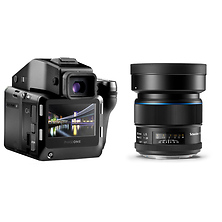
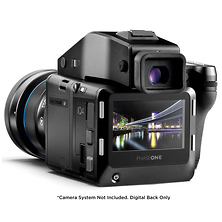
A digital back is a self-contained capture module. The sensor, processor, power source, and rear screen all live inside the back, so the camera in front handles the shutter, the lens, and any movements while the back records the file. Sensor areas run considerably larger than 35mm full frame, which is where the format's rendering of smooth tonal transitions and fine detail comes from. Phase One builds full frame medium format backs on a modular platform, with up to 15 stops of dynamic range across its current lineup.
The same modularity applies to the camera itself. A back designed for a medium format body can often be adapted to a technical camera or a view camera, which opens up rise, fall, shift, and tilt on subjects where perspective control matters. Photographers already working with digital medium format cameras add a back to extend a system they know.
Choosing a Digital Back
Start with the camera system you shoot. The mount on the back has to match the body, or an adapter has to exist for that pairing. From there, resolution, dynamic range, and capture features shape what the back is suited to:
- Mount compatibility with your camera body or technical camera
- Sensor size and resolution relative to your output requirements
- Dynamic range for scenes holding highlights and deep shadow together
- Tethering across wired network, USB, and wireless connections
- Battery capacity and external power for long studio sessions
- Rear screen size and touch controls for on-set review
- Frame averaging and multi-exposure modes for long exposure work
- RAW processing software support for the files it produces
Adapters and Mounting Accessories
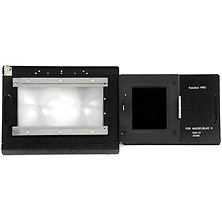
Adapters do the mechanical work of joining a back to a camera that was not built for it. Large format adapters mount a medium format back to a 4x5 view camera, placing the sensor at the film plane so the full range of movements stays available. FotodioX builds adapters in this category, including large format adapters for Hasselblad medium format backs. Fit matters most here, since the adapter sets the distance between lens and sensor and holds alignment across the frame.
Running both digital and film capture on one body works because an adapter setup leaves the front of the camera untouched. The lenses and the handling stay as they were, which is one reason medium format film cameras and digital backs often live in the same kit.
Power, Connectivity, and Studio Support
Tethered shooting is the normal working mode for most digital back users. Files move from the back to a computer as they are captured, so the photographer, the art director, and the client see each frame at full size within seconds. Wired network connections, USB, and wireless transfer all appear across current backs, and the right choice depends on file size and camera position. Keep spare cables and power supplies in the case, since the tether run carries every frame.
Studio work around a digital back tends to be deliberate. Strobe lighting gives the clean, repeatable output that commercial and product photography depend on, and tripods and heads rated for the weight of a medium format body hold the composition steady between frames. For color-critical assignments, color management tools keep the monitor consistent with what the back recorded.
Capture volume adds up quickly at these file sizes. Fast memory and storage handles in-camera recording and the drives receiving tethered files, and a hard case protects the body, back, and adapters between studio and location.
Who Uses Digital Backs
Commercial and product photographers reach for digital backs when the final image will be printed large or cropped hard. Catalog work, packaging, and jewelry photography reward the resolution and tonal separation the format provides, and tethering lets them confirm every capture before the set is struck.
Fashion and portrait photographers working in studio choose backs for skin tone rendering and the depth of field a large sensor produces at a given framing. Architectural and interior photographers pair a back with a technical camera for movements that keep vertical lines straight in camera.
Fine art photographers and reproduction specialists document paintings, prints, and artifacts where color accuracy and fine detail are the entire assignment. Photographers who already own a medium format or large format body add a back as the most direct path to digital capture.
FAQs
What is a digital back?
A digital back is a capture module that mounts to the rear of a medium format or large format camera in place of a film holder. It contains the sensor, image processor, power source, and rear display. The camera in front provides the shutter and any movements, while the back records the image.
Can a digital back mount to a large format camera?
Yes, with the right adapter. Large format adapters position a medium format back on a 4x5 camera so the sensor sits at the film plane, keeping the lens, the bellows, and the full range of movements in play. Confirm the adapter matches both the back's mount and the camera's rear standard.
How do digital backs connect for tethered shooting?
Current backs support tethering over wired network connections, USB, and wireless. Wired connections carry the bandwidth large files ask for and are the usual choice in a studio with a fixed workstation. Wireless suits setups where the camera moves freely around the set.
What sensor sizes do digital backs use?
Digital backs use sensors considerably larger than 35mm full frame. Phase One describes its backs as full frame medium format, meaning the sensor fills the traditional frame area of the format rather than a cropped portion. That capture area produces the tonal range and detail associated with medium format digital files.
Do I need a tripod or stand for digital back work?
Most digital back shooting happens on a studio stand or a tripod. Studio sessions favor a locked composition, and capture modes that combine a sequence of frames depend on the camera holding still throughout. Choose a support rated well above the combined weight of body, back, and lens.
What accessories should I buy alongside a digital back?
Plan for the mount adapter your camera pairing requires, tether cables plus spares, external power for long sessions, fast storage, and a case that protects the back off the body. Color management tools belong on the list for any assignment where the print has to match the capture.
Shop Digital Backs & Accessories at Samy's Camera
Samy's Camera has supported working photographers since 1976, and our staff can walk through mount compatibility, tethering, and studio configurations before you commit to a system. Browse digital backs and adapters online, or visit one of our store locations to handle the gear and talk through your workflow.