










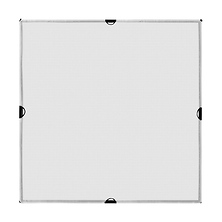
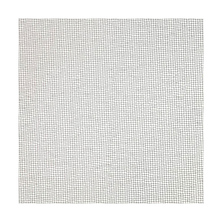
Diffuser Panels for Photography and Video Production
Diffuser panels soften harsh light from strobes, continuous sources, and sunlight to create flattering, controllable illumination. They reduce harsh shadows, minimize glare, and produce the soft, directional light that photographers and videographers rely on for professional results.
Diffuser panels work by scattering and spreading light across a wider area, reducing the intensity at the source while maintaining control over direction and spread. A properly placed diffuser transforms direct, specular light from studio strobes or continuous fixtures into soft, diffuse illumination. This fundamental technique works across every photography genre and video production style, from portrait sessions to product photography to on-location film and television production.
Unlike reflectors that bounce light to brighten shadows, diffusers sit between the light source and subject to reduce contrast and soften shadows. Larger panels scatter light over a broader area for softer illumination, while smaller diffusers maintain more directional control.
Types and Configurations of Diffuser Panels
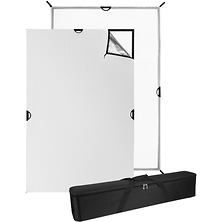
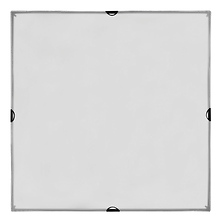
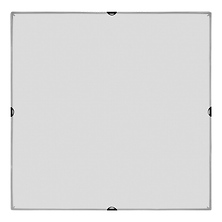
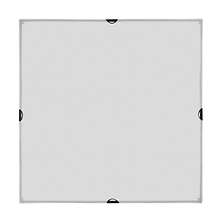
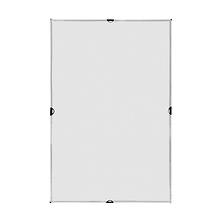
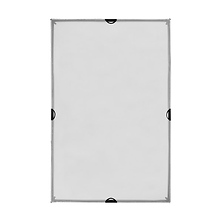
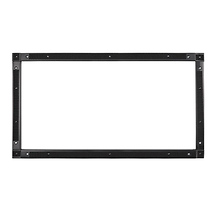
Diffuser panels come in several configurations to match different working styles and shooting environments. Fixed-frame panels with rigid construction provide consistent light spread and are ideal for permanent studio setups. Collapsible panels with flexible frames fold down for transport and storage. Reflector-diffuser combinations add versatility, offering diffusion on one side and reflection on the other.
Frame sizes range from small two-foot squares for tight fill light to massive eight-foot panels for soft key light in large studio environments. Many manufacturers offer lightweight aluminum frames that reduce fatigue during hand-held use.
- Rigid frame diffusers for permanent studio installations
- Collapsible diffusers for location and travel shoots
- Small diffusers for detail work and close-range softening
- Large diffusers for full-body portraits and wide-area coverage
How Diffuser Panels Improve Your Lighting
The primary benefit of diffuser panels is shadow control. Direct light from strobes or sunlight creates dark, hard-edged shadows that require additional fill light or reflectors to balance. A diffuser eliminates this problem by scattering light before it reaches the subject.
Diffusers also protect subjects from harsh light. In bright sunlight, photographers place diffusion overhead to reduce eye squinting and unflattering highlights on skin. Product photographers use diffusers to minimize glare on shiny surfaces like glass or metal. Video professionals position diffusion between key lights and talent to make long shooting days more comfortable while maintaining professional image quality.
For studio work, diffusers enable consistent results. A diffuser in front of a strobe lighting setup produces predictable light quality that photographers can repeat across sessions.
Diffuser Panels for Different Photography Styles
Portrait photographers rely on diffusion as a core technique. Whether using studio strobes, continuous lights, or modifying sunlight outdoors, soft directional light flatters facial features and produces professional results.
Product and commercial photographers use diffusers to control reflections and highlights. Food photography benefits from overhead diffusion to reduce shine on surfaces. Jewelry and cosmetics photography often uses tented diffusion setups that completely surround the product to eliminate harsh reflections. E-commerce photographers integrate diffusion into permanent setups to ensure consistent product lighting.
Event and documentary videographers carry portable diffusion to manage existing ambient light. Diffusers reduce overhead fluorescent glare at receptions, soften harsh midday sunlight at outdoor events, and generally improve on-location lighting without requiring complex equipment setups.
Diffuser Panels with Light Stands and Support Equipment
Most professional diffuser panels attach to standard light stands via a bracket or grip mechanism. Spring-loaded clamps, sandbags, and counterweight systems keep diffusers stable even in studio air currents or outdoor wind conditions.
For stationary studio work, diffusers often mount to ceiling-mounted grids or track systems. For location and on-site work, compact tripod-mounted diffusers reduce setup time and keep gear portable.
Choosing Diffuser Size and Material
Diffuser size selection depends on the area you want to illuminate and the light source intensity. Small two- and three-foot panels work well for accent lighting and close-range portraiture. Medium four- to five-foot panels handle standard portrait key light in most studios. Large six- to eight-foot panels create very soft, wraparound light for full-body work and commercial photography.
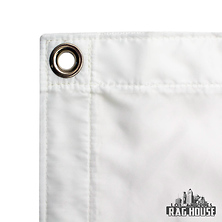
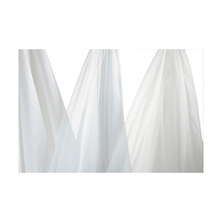
Diffuser materials vary in transmission and light loss. Thin materials like white silk transmit most of the light but provide moderate diffusion. Medium-thickness fabrics like nylon and polyester offer a balance of transmission and diffusion quality. Heavy or multiple-layer diffusers scatter light more aggressively but reduce transmitted light intensity.
Diffuser Panels in Setups
Studio diffusers work alongside other light modifiers to create professional results. A typical three-light setup might use a diffused strobe as the key light, a reflected fill light, and a back light. Large diffusers on the key light side soften the main modeling light, while smaller diffusers or silks on fill light reduce the fill quality and maintain shadow detail.
Continuous lighting systems benefit from diffusion as much as strobes do. LED panels and tungsten fixtures generate significant heat, making diffusion essential for subject comfort. Diffusers mounted in front of continuous lights maintain consistent color temperature while softening the beam.
Who Uses Diffuser Panels
Wedding and portrait photographers use diffusers as essential gear. Outdoor ceremonies require overhead diffusion to manage sunlight, while receptions and indoor portraits benefit from studio or portable diffusion paired with strobes or continuous light.
Commercial and advertising photographers rely on diffusers for product, fashion, and lifestyle imagery. Consistent, controllable lighting from diffused studio strobes reduces retouching time and ensures color accuracy across product lines.
Videographers and cinematographers use diffusers on film and television productions. From independent documentaries to studio-based content creation, diffusion controls glare, manages lens flare, and ensures talent lighting remains flattering over long shooting days.
FAQs
What is the difference between a diffuser and a scrim?
Diffusers soften and scatter light, reducing intensity and spread. Scrims (or flags) primarily block light without scattering. Diffusers work by transmission while scrims work by blocking.
How much light does a diffuser panel lose?
Light loss varies with material thickness. Thin silk diffusers typically lose 1-1.5 stops of light. Medium fabrics lose 1.5-2 stops. Heavy-duty diffusers may lose 2-3 stops.
Can I use sunlight instead of strobes with diffuser panels?
Yes. Outdoor photographers place diffuser panels overhead or to the side of subjects to soften direct sunlight. The principle remains the same: scattering light before it reaches the subject.
What size diffuser panel do I need for portrait work?
A four- or five-foot diffuser works well for standard portrait sessions. Larger six-foot panels provide softer light with less falloff. Smaller two- or three-foot panels work for headshots and fill light.
Do I need a stand or can I hand-hold a diffuser panel?
Many photographers hand-hold diffusers during outdoor and location work. Light stands provide free hands and more stability, especially indoors. Lightweight diffusers and collapsible panels make hand-holding feasible for mobile photographers.
How do diffuser panels work with flash and strobes?
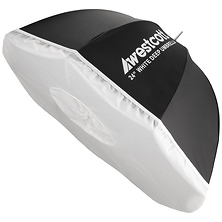
Diffusers mount in front of portable strobe lighting units or studio strobes. The light scatters through the diffuser material before reaching the subject, creating soft, directional illumination.
Shop Diffuser Panels and Light Control Solutions at Samy's Camera
Diffuser panels are foundational tools for controlling light quality in photography and video production. Whether you're setting up a permanent studio, working on location, or learning studio lighting fundamentals, diffusers provide the soft, controllable light that produces professional results. Samy's Camera offers diffuser panels in various sizes and configurations, plus the stands, brackets, and grip equipment you need for reliable setups. Explore our camera accessories and video & audio sections for complete lighting solutions.