






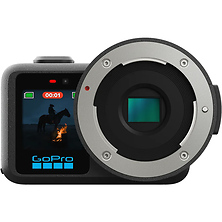


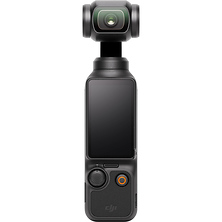

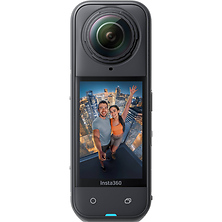
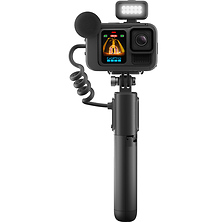
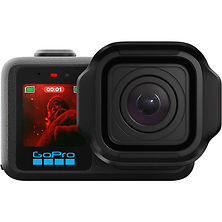
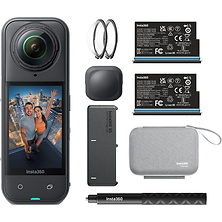
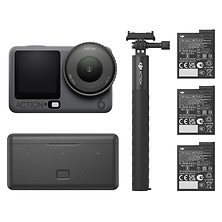
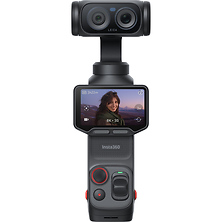
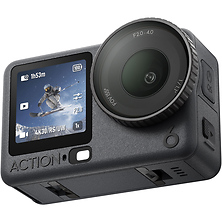
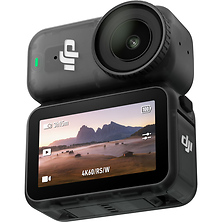
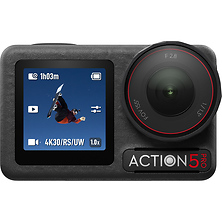
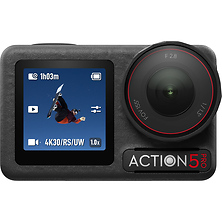
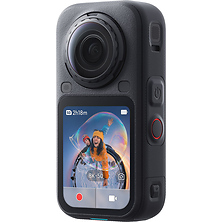
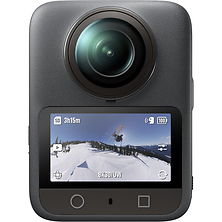
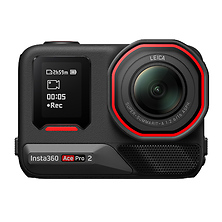
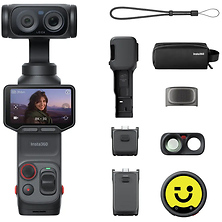
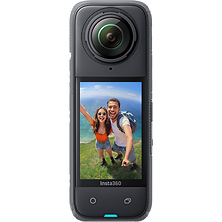
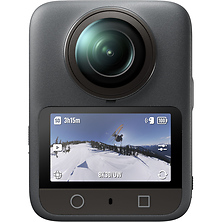
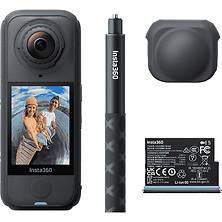

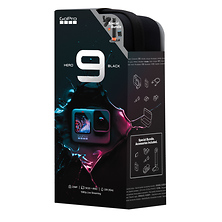
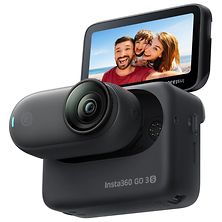
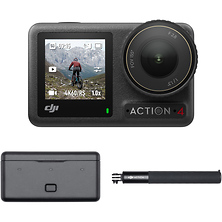
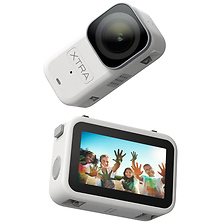
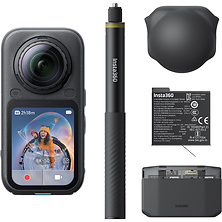
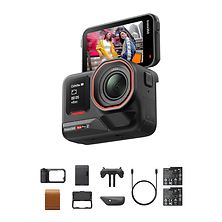


Action Cameras for Outdoor Adventures and Sports
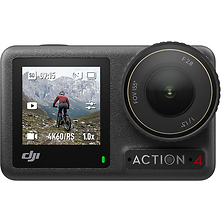
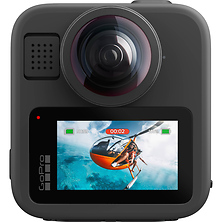
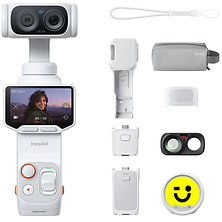
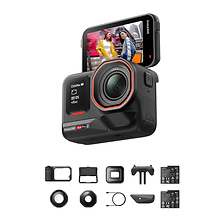
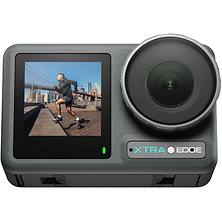
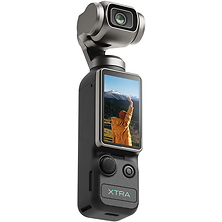
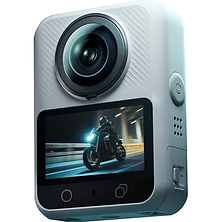
Action cameras deliver compact, rugged performance for capturing life's most exciting moments. Whether you're skiing steep descents, diving underwater, biking challenging terrain, or documenting travel adventures, dedicated action cameras handle the punishment while recording in 4K with stabilization and waterproof designs. Unlike smartphones or larger cameras, these purpose-built systems mount securely to helmets, handlebars, and body harnesses, freeing your hands while capturing hands-free footage.
Modern action cameras combine durability with serious video capability. Ruggedized bodies withstand drops, immersion, and extreme temperatures that would damage traditional cameras. Advanced sensors capture clean 4K footage at high frame rates, enabling professional-quality slow-motion sequences and time-lapse work. Image stabilization systems compensate for movement, whether you're handheld, mounted to a helmet, or racing downhill.
Key differentiators include sensor size, battery life, waterproof rating, stabilization technology, and ecosystem of mounting accessories. A camera rated to 30 meters can handle most recreational diving, while professional underwater work may require additional housing. Battery endurance matters on multi-hour adventures where recharging isn't possible.
Key Features and Performance Specifications
Today's best action cameras offer performance comparable to dedicated video cameras, compressed into housings smaller than a smartphone. Understanding the core specs helps you match camera capability to your intended use.
- 4K resolution at 60p or higher frame rates for detailed footage and flexible slow-motion options
- 20MP to 40MP sensor capability for high-quality still photography during video
- Waterproof ratings from 10 meters (casual splashing) to 60+ meters (serious diving)
- Built-in electronic stabilization to reduce shake from handheld, mounted, or movement-intensive shooting
- Wide-angle fixed lenses (typically 150-170 degrees field of view) capturing expansive perspectives
- Dual microphones with wind noise reduction and external audio input support
- 1000+ mAh batteries providing 60-90 minutes of continuous 4K recording
- Proprietary wireless connections for pairing with smartphones and accessories
- Rugged exterior materials including aluminum, stainless steel, and impact-resistant polymer
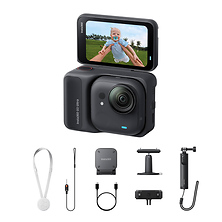
- Multiple mounting options including standard tripod adapters, helmet mounts, and adhesive bases
Types of Action Camera Mounts and Accessories
The real power of action cameras lies in their versatility. Unlike traditional video cameras that require handheld operation, action cameras attach to your body, equipment, or environment. This hands-free capability defines the category.
Helmet mounts secure cameras to motorcycle helmets, ski helmets, and cycling helmets, positioning the lens to capture the rider's perspective. Adhesive mounts stick directly to helmets, vehicles, or equipment without tools. Chest harnesses position cameras at torso level, ideal for climbing, hiking, and water sports where head-mounted angles feel awkward.
Handlebar mounts grip bike handlebars, motorcycle grips, or similar cylindrical objects. Suction cup mounts attach to smooth surfaces including car windows, boat hulls, and aquarium glass. Magnetic mounts work with metal surfaces and allow quick repositioning. Monopod arms extend the camera away from your body for wider perspectives or self-recording angles.
Who Uses Action Cameras
Content creators from multiple disciplines depend on action cameras. Vloggers and social media creators use them for travel documentation, gear reviews, and lifestyle content. Mountain bikers and motorsports enthusiasts capture technical riding sequences for competition review and sharing. Rock climbers and skiers document challenging descents and routes.
Photographers exploring videography often start with action cameras because they require less technical knowledge than cinema cameras while delivering broadcast-ready output. The simplified operation focuses on composition and storytelling rather than manual exposure control or focus adjustment. Travelers appreciate their durability and compact form factor across long trips and uncertain conditions.
Professional documentary teams sometimes pair action cameras with cinema cameras, using the action camera for specific angles, immersive perspectives, or situations too risky for expensive primary cameras. Underwater videographers choose action cameras for their waterproof designs and ability to perform at depth without additional housings.
Action Camera Video Quality and Stabilization
Stabilization technology separates entry-level from professional action cameras. Electronic stabilization algorithms analyze sensor data and adjust the image in real-time, reducing visible shake from handheld or mounted shooting. Aggressive stabilization can introduce slight distortion or artifacts when panning quickly, but most viewers prefer stabilized footage to handheld jitter.
Video codecs vary between manufacturers. Most current models record 10-bit color for smooth gradients and grading flexibility. Codec efficiency impacts file sizes, with H.265 (HEVC) reducing file sizes compared to H.264 (AVC) at similar bitrates. Frame rate flexibility allows capturing 60fps for 24fps playback (2.5x slow motion) or 120fps for 5x slow motion without interpolation.
Color science matters when matching action camera footage with other video sources. Some manufacturers offer color profiles designed to match cinema cameras, simplifying multi-camera post-production work. Flat color profiles preserve detail in shadows and highlights, requiring color grading work in editing.
Frequently Asked Questions
What Waterproof Rating Do I Need for My Activity?
Waterproof ratings indicate submersion depth and duration. 10 meters is suitable for splashing and light rain. 30 meters handles recreational snorkeling and water sports where the camera might go under briefly. 60+ meters supports serious diving, though professional underwater work often requires purpose-designed housings for cameras rated at lower depths. Always confirm the camera is rated for your specific activity.
How Long Do Action Camera Batteries Last?
Typical action cameras record for 60-90 minutes per charge at normal settings. Cold temperatures reduce battery life significantly, sometimes by 30-50%. Turning off wireless features, reducing screen brightness, and using lower frame rates extends runtime. Extra batteries are practical for all-day shooting since many locations don't offer charging options.
Can I Use Action Camera Footage with Professional Video Editing Software?
Yes. Action cameras record standard video codecs (H.264 or H.265) that import directly into professional editing software including Adobe Premiere, Final Cut Pro, and DaVinci Resolve. Some cameras record specific formats like Cinema DNG (raw footage) that require specialized color grading tools. Most content creators use the standard H.264 footage directly without additional processing.
Do Action Cameras Have External Audio Input?
Most current action cameras include 3.5mm headphone jack or USB-C audio input for connecting external microphones. Built-in microphones capture adequate audio for outdoor activities, but wind noise becomes noticeable at speeds above 20 mph. Directional microphones and windscreens reduce this issue. For serious audio work, shotgun microphones connected via 3.5mm input offer significant improvement.
What Mounting Accessories Work Across Different Brands?
Standard 1/4"-20 tripod threads appear on most action cameras and accept universal tripod heads, ball heads, and mounting arms. GoPro and compatible clones use the GoPro ecosystem of mounts and accessories. Some manufacturers including Sony and DJI use proprietary connectors that don't interchange. Check compatibility before purchasing third-party mounts.
Can I Use Action Cameras for Underwater Photography and Video?
Yes. Waterproof action cameras capture sharp photos and video underwater at rated depths. Underwater shooting requires understanding color loss in water; blue and red wavelengths fade quickly with depth, creating color shifts. Red filters or color grading during post-production compensates for this. Wide-angle lenses work well underwater since they maintain adequate detail despite reduced visibility distance.
Shop Action Cameras at Samy's Camera
Action cameras transform how you document adventures, from casual travel vlogging to professional production work. Whether you need a camera for solo travel, team sports documentation, or cinematic outdoor footage, Samy's Camera offers expert selection, fast shipping, and support for finding the right system. Explore our full selection of action cameras and mounting accessories to outfit your next project.