














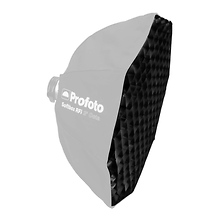
Softbox Grids Deliver Precise Light Control for Studio Photography
Professional softbox grids and accessories control and shape studio light, focusing illumination exactly where you need it. Whether you shoot portraiture, product photography, or video production, the right light modifier transforms your studio setup, creating defined shadows, reducing spill, and delivering the directional control that separates average lighting from exceptional images.
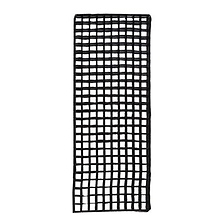
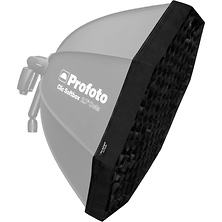
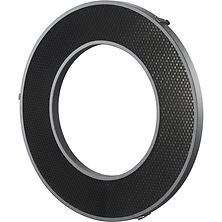
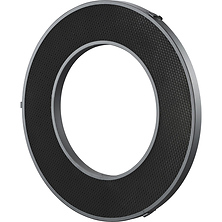
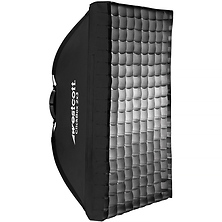
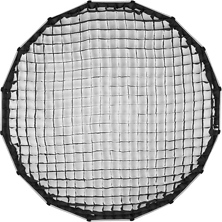
Softbox grids fit inside soft boxes to narrow the light beam, prevent spill, and create more directional illumination than an unmodified softbox alone. Available in egg crate (honeycomb) designs and fabric grid options, these accessories work with both strobe lighting and continuous lighting systems. The tighter the grid pattern, the more controlled and directional your light becomes, helping you isolate subject detail and maintain cleaner backgrounds.
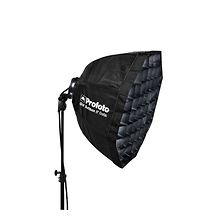
A softbox without a grid spreads light broadly across your set. Add a grid, and that same light concentrates into a defined pool, allowing you to light only your subject while keeping surrounding areas darker. This directional quality works especially well for headshots, product lighting, and any situation where you want to prevent light from spilling onto unwanted areas like walls or backdrops. Light grids pair naturally with light stands and grip equipment to create complete studio setups.
Common Softbox Grid Types and Designs
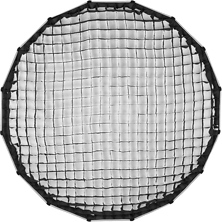
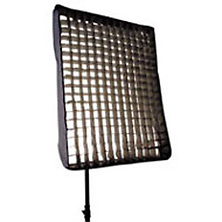
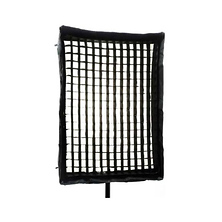
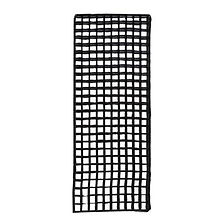
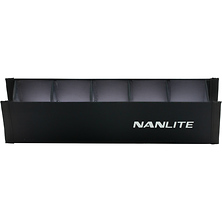
Softbox grids come in two main categories: egg crate grids (honeycomb pattern) and fabric grids. Each serves slightly different creative purposes and fits specific softbox sizes. Grids work seamlessly with strobe heads, LED panels, and flashes and accessories used in compact studio setups.
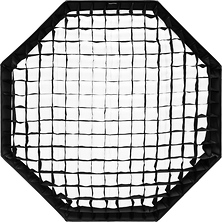
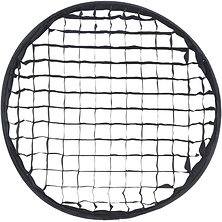
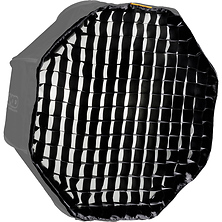
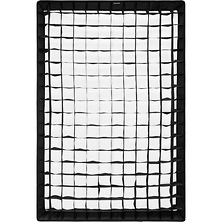
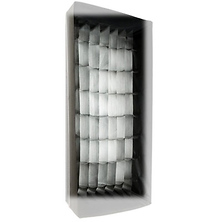
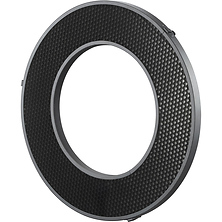
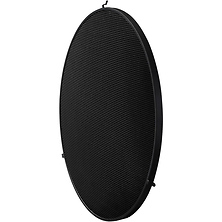
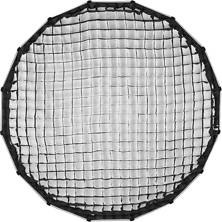
- Egg crate grids (also called honeycomb grids) create a narrow light beam with clearly defined falloff; ideal for tight control and dramatic lighting
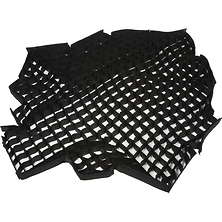
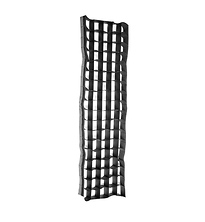
- Fabric grids mount on the front of softboxes and provide gentler light control; often used for fill light or wider coverage
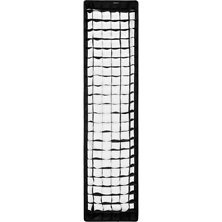
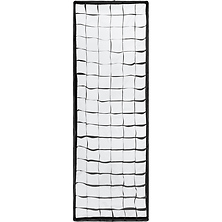
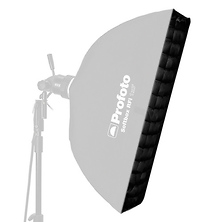
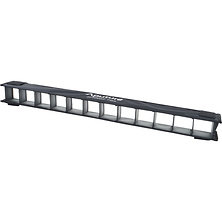
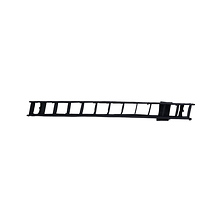
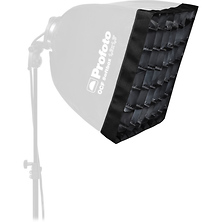
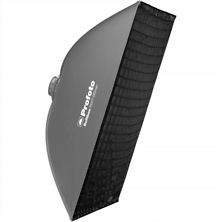
- Strip light grids fit inside rectangular softboxes for runway, overhead, or side-key setups
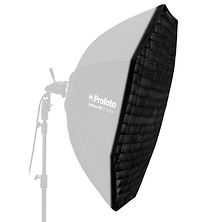
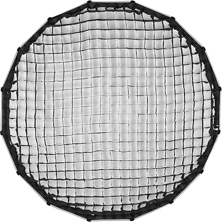
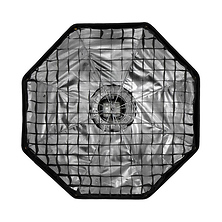
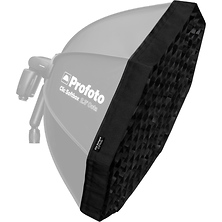
- Octagonal softbox grids deliver balanced directional light for portraits and close-up work
Brands Carrying Softbox Grids and Accessories
Top manufacturers including Profoto, Godox, Westcott, Chimera, amaran, Aputure, Nanlite, Elinchrom, and MagMod offer grids built for their softbox systems. Each brand designs grids with specific speed-ring connectors and fabric compatibility, so confirm your softbox model before purchasing. Most grids are not interchangeable across brands.
Profoto grids offer modular design, Godox emphasizes value and solid construction, and Westcott grids prioritize quick setup. Chimera fabric grids deliver precise light shaping for studio work, while specialized brands like amaran, Aputure, and Nanlite provide grids for their compact systems.
How to Choose the Right Softbox Grid
Start with your softbox system. Every grid is designed for a specific softbox size and connector type, so compatibility is the first priority. Check the product page for your existing softbox and note the size (such as 1x4 ft strip or 47" octagon) and the connector type (speed ring, proprietary wireless connections, or other mounts).
Next, consider how narrow you want your light. Tight egg crate grids deliver the most directional light with sharp falloff, useful for dramatic portraits or product shots where you need isolation. Fabric grids provide softer, more gradual light falloff. If you shoot a mix of styles, you might own two grids for different creative needs: one for bright, isolating light and another for softer fill light.
Factor in ease of setup. Some grids insert and lock into place in seconds; others require more careful positioning. If speed matters in your workflow, prioritize designs with quick-lock mechanisms. And if you move your studio kit frequently, lightweight grid options help reduce fatigue.
Who Uses Softbox Grids and Light Control Accessories
Portrait photographers use grids to create sharp shadows on faces, sculpting cheekbones and features with precision. The directional light a grid provides prevents fill light from washing out detail, keeping images dimensional and flattering.
Product photographers rely on grids to isolate products on white or colored backgrounds without light spilling onto the set. The ability to control exactly where light lands is essential for clean product shots that show merchandise clearly.
Video producers and filmmakers use grids for portable strobe lighting or continuous systems, shaping light on set without slowing down production. TV-spots, music videos, and interview setups all benefit from the control grids provide.
Event and wedding photographers may use softbox grids in reception or detail shot scenarios, creating dimensional light on rings, invitations, or other key moments. Studio-based wedding photographers often rely on grids as part of their main lighting toolkit.
Frequently Asked Questions
What is the difference between a softbox grid and a softbox diffusion fabric?
Diffusion fabric softens and spreads light evenly in all directions. Grids restrict light and make it more directional, creating distinct shadows. Use diffusion when you want soft, flattering light across a wide area; use grids when you need precise directional control and isolation.
Can I use a grid from one brand on another brand's softbox?
Most grids are specific to their manufacturer's softbox system and connector type. While some generic aftermarket grids claim universal compatibility, success varies. Check product specifications carefully and confirm compatibility before purchasing. When in doubt, stick with manufacturer-matched grids to ensure proper fit and function.
Do softbox grids work with both strobe and continuous lighting?
Yes. Softbox grids fit inside softboxes powered by strobes, LED panels, fluorescents, tungsten, and other continuous sources. The grid itself is just a physical modifier; the light source doesn't matter. Confirm that your softbox (not the grid) is compatible with your light source.
How tight does an egg crate grid need to be for studio work?
Standard egg crate designs with 1/4" to 1/2" cell sizes work well for most portrait and product lighting. Tighter cells (smaller openings) create very narrow light with sharp falloff; looser cells give broader, more forgiving light. For beginner and intermediate studios, standard grids offer the best balance of control and ease of use.
What's the advantage of fabric grids over egg crate designs?
Fabric grids offer more gradual light falloff and are often lighter weight and easier to pack. They're ideal for fill light, side light, or any situation where you want directional light without the dramatic isolation an egg crate provides. For tight control, egg crate remains the professional standard.
Do grids reduce light output significantly?
Yes, grids reduce output by roughly 1-2 stops depending on the design and cell tightness. A tight egg crate grid loses more light than a loose fabric grid. Plan for this when calculating exposure, and consider using higher strobe power, purchasing a kit from the monolight strobe heads and kits category, or positioning lights closer if needed.
Shop Softbox Grids & Accessories at Samy's Camera
Professional-quality softbox grids and light modifiers help you shape studio light with precision. Samy's Camera carries studio and lighting equipment from trusted brands, plus expert advice to match the right grid to your setup. Browse our selection, compare features, and build the lighting control you need to create the images you envision.