









Collapsible Reflectors: Light Control Without Electricity
Collapsible reflectors are light-shaping tools that redirect and soften existing light sources - whether sunlight or studio strobes - without power, batteries, or additional fixtures. They collapse to 1/3 their expanded size, fitting camera bags and vehicle trunks. Whether you're filling shadows during on-location portraits, controlling reflections in product photography, or softening light for video, reflectors transform how you work with available light.
What Reflectors Do
Reflectors serve three core functions. As fill lights, they redirect existing light into shadow areas, reducing contrast and creating flattering illumination for faces and detailed subjects. For catch lights, they place bright reflections in eyes and across shiny surfaces, adding visual interest and dimension. When paired with diffusion fabric, reflectors soften harsh light (overhead sun, unmodified strobes, or video lights), converting hard shadows into gradual transitions.
Unlike artificial lights, reflectors require no setup time, batteries, or heat generation. On location where power is unavailable, a reflector and one assistant can achieve sophisticated three-point lighting. In studios, they complement strobes and continuous lighting, allowing precise shadow control without additional fixtures or power draws.
Common Reflector Types:
Disc Reflectors
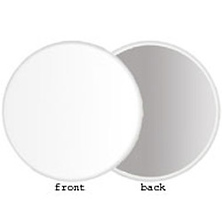
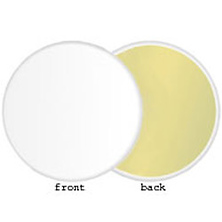
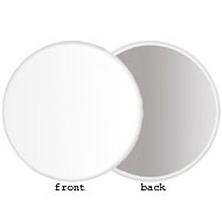
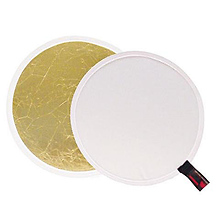
Round disc reflectors are available from 12 inches to 48 inches in diameter. Smaller 12-to-20-inch discs work for close-up product shots and beauty photography. Medium 30-to-36-inch reflectors balance portability with coverage, ideal for headshots and small group portraits. Large 42-to-48-inch discs provide broad fill for full-body portraits and video production.
Most disc reflectors fold with flexible wire frames or tension springs, collapsing to 1/3 size and locking when expanded. Carrying cases protect them during transport.
Five-in-One Reflector Kits
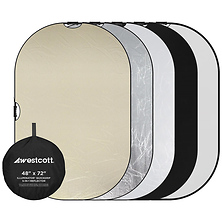
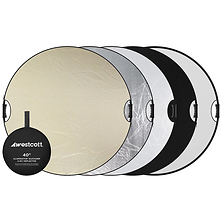
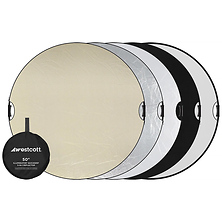
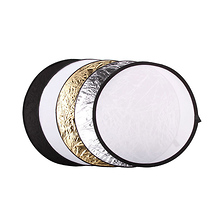
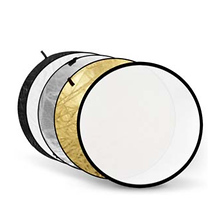
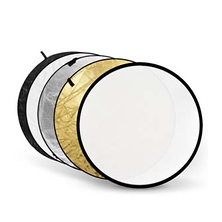
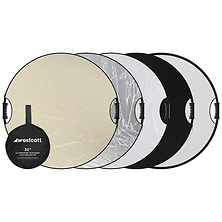
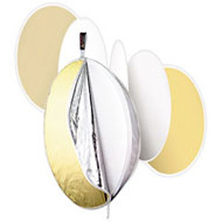
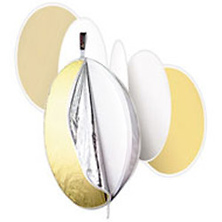
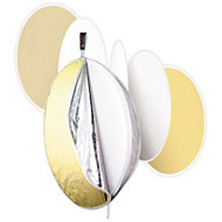
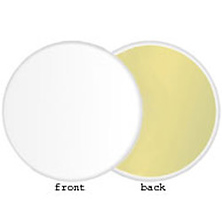
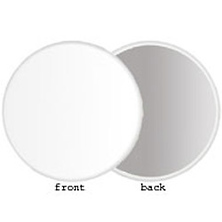
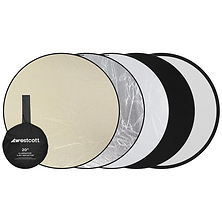
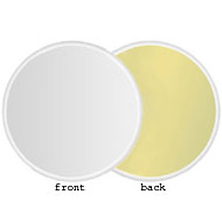
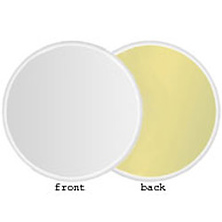
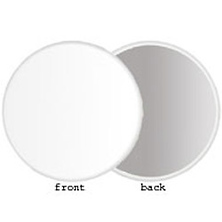
Five-in-one reflectors combine multiple surfaces in one unit: silver for bright, hard-edged fill; gold for warm-toned fill that enhances skin; white diffusion for soft light without color shifts; black fabric for subtractive lighting that adds contrast; translucent diffusion for softening light sources. Switch surfaces without swapping equipment - useful when subjects move between sun and shade.
Five-in-one kits typically range from 22 to 42 inches. You carry one frame with multiple surface options.
Panel and Specialty Reflectors
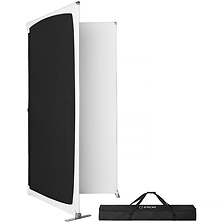
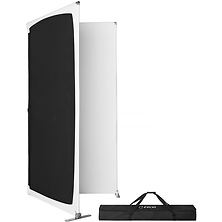
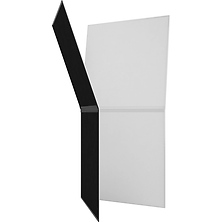
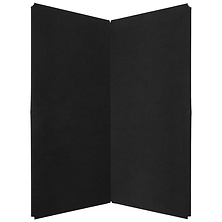
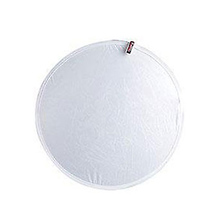
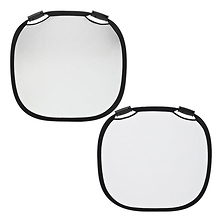
Rectangular reflectors provide landscape-ratio coverage ideal for full-body shots. Some mount directly to light stands via 1/4"-20 sockets, enabling hands-free positioning. Translucent diffusion panels (sometimes called scrims) sit between light source and subject, softening light before it reaches the subject. Available in the same size range as traditional reflectors, they reduce light intensity and harshness while maintaining direction.
Key Features to Evaluate
Integration with Studio Lighting
In controlled environments, reflectors serve as fill-light sources without the footprint of additional strobes. Position a reflector opposite your main light to fill shadows and reduce contrast. With Strobe Lighting setups, a white or silver reflector positioned near the subject bounces light into shadow areas.
Translucent diffusion panels mounted on stands work as light modifiers themselves, softening direct strobes or Portable Strobe Lighting before reaching the subject. For tabletop product photography, a small reflector positioned opposite your main light controls shadow depth and adds dimension.
Using reflectors with stands and grip systems, you position modifiers precisely without crew, allowing consistent setups across sessions.
On-Location and Natural Light Work
On-location photography benefits enormously from reflectors because natural sunlight is available everywhere but rarely at the right angle. Bright midday sun creates harsh shadows; a reflector as fill lifts these and balances lighting. Morning or late-afternoon sun creates rim lighting; fill reflector prevents complete darkness on shadow sides.
Overcast days provide soft light but sometimes too flat. A gold reflector adds warmth and catch light. In open shade, light is soft but blue-tinted; a gold reflector warms the color while filling shadows.
For video production on location, reflectors enable continuous lighting changes as sun angle shifts throughout the day - simply reposition the reflector slightly to maintain consistent fill. This is simpler than repositioning heavy strobes or Continuous Lighting mid-session.
Who Uses Reflectors
Location and Travel Photographers
Photographers without studio infrastructure appreciate that reflectors require no power, assembly, or significant weight. A single 30-inch reflector fits in a camera bag and enables sophisticated portrait lighting anywhere natural light exists.
Frequently Asked Questions
How do I choose between silver, gold, and white reflector surfaces?
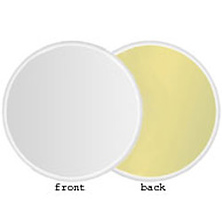
Silver provides maximum output (4-5 stops of gain), ideal when you need strong fill at distance or in deep shadows. Gold adds warmth to fill light, flattering skin tones in portraits but introducing color casts in product work. White offers softer fill without color shifts, filling shadows without hard-edged catch lights. For general-purpose work, white or silver is safest; use gold when you specifically want to add warmth.
Can a reflector replace a second light in a two-light setup?
Often, yes. A reflector as fill removes the need for a second strobe or continuous light, reducing weight and setup time. However, reflectors only redirect existing light; they can't create light from nothing. When you need light from multiple directions with controllable intensity, traditional lights offer more flexibility. Many professional setups use reflectors as fill for speed and simplicity.
What size reflector works best for portraits?
A 30-to-36-inch reflector suits head-and-shoulders portraits, providing even fill across the face while remaining portable. For full-body portraits, a 42-to-48-inch reflector offers more coverage but requires an assistant or stand. If hand-holding, a 24-30-inch reflector balances coverage with fatigue. Many photographers own two sizes - smaller for product work, larger for full portraits.
Can I hand-hold reflectors, or do I need a stand?
Hand-holding works when you have an assistant or static shooting position. For longer sessions or when you need both hands free for camera work, a stand is more practical. Boom arms allow off-axis positioning without stands entering the frame. Many photographers use stands during formal sessions and hand-hold during candid work.
Find Your Reflector at Samy's Camera
Collapsible reflectors are among the most cost-effective tools in photography - simple, durable, and useful for controlling light in any setting. Whether you're building a portable location kit, adding fill light to studio setups, or exploring video production, reflectors adapt without power, space, or complex setup.* Browse our Studio & Lighting section to explore reflectors alongside Light Stands & Grip Equipment and lighting options that complement your shooting style. Our team is ready to help you find the reflector and mounting setup that works for you.