









Monopods for Photography and Videography
A monopod provides stable camera support in a portable, lightweight package. Unlike tripods that offer three-point stability, a monopod uses a single leg with an adjustable height and angle, making it ideal for photographers and videographers who prioritize mobility without sacrificing support. Whether you're shooting sports events, traveling, documenting wildlife, or capturing video content, a quality monopod balances steady footage and images with the freedom to move and reposition quickly.
Types of Monopods
Monopods come in several configurations, each designed for specific shooting scenarios and user preferences.
Standard Monopods
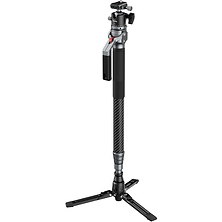
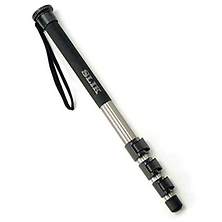
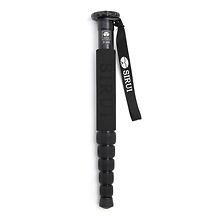
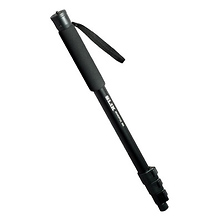
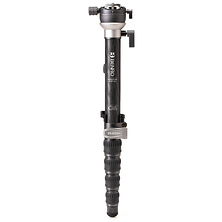
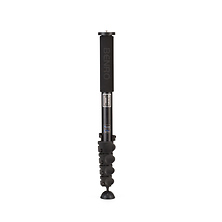
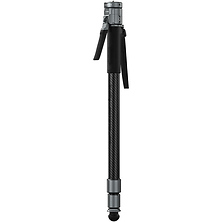
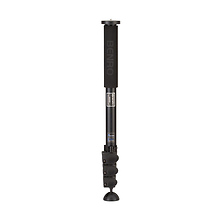
Standard monopods feature a single telescoping leg with a comfortable handle at the top and a pan-tilt head or ball head at the base. These work with most camera types and support a range of weight loads from compact mirrorless setups to professional cinema cameras. The extended leg length adjusts from a collapsed position (typically 18-24 inches) to full height (often 60+ inches), giving photographers flexibility to shoot from ground level to eye level without additional steps or equipment.
Fluid Head Monopods
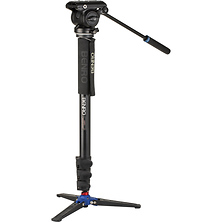
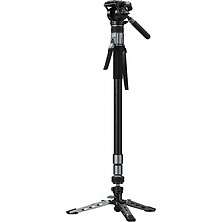
Monopods with fluid heads include internal damping mechanisms that create smooth panning and tilting motion, particularly valuable for video work. The fluid resistance prevents jerky movements when following subjects or transitioning between framing, resulting in professional-looking footage without the need for gimbals or external stabilization. Photographers and filmmakers who blend stills and video often prefer fluid head monopods for their improved motion control and handling characteristics.
Spring-Loaded and Shock-Absorbing Monopods
Some monopods incorporate spring loading or shock-absorbing technology that reduces vibration transmission from hand movements to the camera. This feature minimizes micro-vibrations that can affect image sharpness at slower shutter speeds, particularly valuable when shooting telephoto lenses or in low-light conditions where handheld stability becomes challenging.
Mini and Compact Monopods
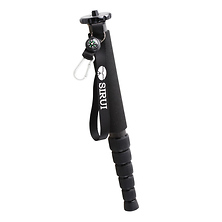
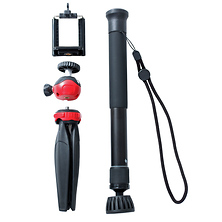
Compact monopods with shorter maximum heights (typically 30-40 inches) appeal to travel photographers and content creators who prioritize portability. These lightweight options fold into backpacks and camera bags without taking significant space, making them practical for hiking, backpacking, and everyday fieldwork where carrying larger support equipment isn't feasible.
Key Features to Consider When Choosing a Monopod
Height and Collapse Length
Look for monopods that extend tall enough for comfortable shooting at your typical eye level, usually 60+ inches for most photographers. Equally important is the collapsed lengthcompact monopods that fold to 20-30 inches travel more easily than longer models.
Material and Weight
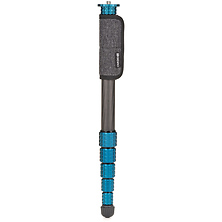
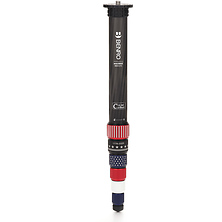
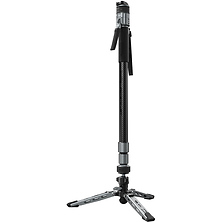
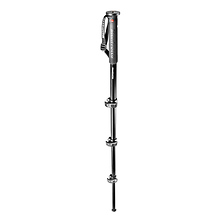
Carbon fiber monopods from manufacturers like Manfrotto (https://www.samys.com/brand/Manfrotto/2030.html) offer excellent strength-to-weight ratios, making them lighter and more responsive than aluminum alternatives. Aluminum monopods cost less but weigh more, which becomes noticeable during extended hand-held shooting sessions. Choose based on your typical shooting duration and how often you transport your gear.
Head Compatibility
Monopods ship with various head typesball heads, pan-tilt heads, or fluid heads. Consider what you already own and whether additional heads match your specific needs. Most monopods accept standard mounting hardware, allowing you to swap heads between different support systems.
Weight Capacity
Verify the maximum load rating. Compact mirrorless cameras with lightweight lenses need less load capacity (typically 2-4 pounds), while cinema cameras and telephoto lens combinations require monopods rated for 6-10+ pounds. Exceeding the weight limit compromises stability and can damage the monopod over time.
Leg Sections and Locking Mechanism
Monopods with more leg sections (typically 3-5) collapse more compactly but require more adjustments to reach full height. Twist locks offer silent operation (important for video), while flip locks provide faster adjustments. Choose based on whether you prioritize speed or quiet operation.
Who Uses Monopods
Sports and Event Photographers
Sports photographers leverage monopods to track fast-moving subjects while maintaining steady framing. The single leg provides enough stability for telephoto lenses without the bulk of full tripods. Browse camera accessories to complete your support setup. Quick height and angle adjustments allow rapid repositioning as action moves across the frame.
Travel and Documentary Photographers
Travel photographers appreciate monopods because they weigh significantly less than tripods while still enabling hands-free shooting for group photos, self-portraits, and timed shots. Pair with a camera bag for easy transport. Documentary and photojournalistic work often requires mobility, making monopods the practical choice for moving between locations throughout the day.
Video Content Creators and Videographers
Videographers use monopods for handheld-style video that maintains steadier framing than purely handheld operation. Fluid head monopods enable smooth panning and subject tracking for YouTube tutorials, event coverage, real estate walkthroughs, and social media content. The single leg doesn't lock you into a fixed position, maintaining the flexibility needed for dynamic storytelling.
Wildlife and Nature Photographers
Wildlife photographers working with long telephoto lenses find monopods essential for supporting heavy lens weight during extended observation sessions. The single-leg design doesn't restrict field positioning, allowing photographers to reframe quickly when subjects move or environmental conditions change. Lightweight carbon fiber monopods reduce fatigue during dawn-to-dusk shooting events.
Solo Operators and One-Person Crews
Solo videographers, podcasters, and live streamers use monopods to position cameras at eye level while keeping hands free for other tasks. This setup proves especially valuable for interviews, product demonstrations, and educational content where the creator needs to move, gesture, or interact while recording.
Monopods vs. Tripods: When to Use Each
Monopod Advantages
Single leg offers maximum mobility and quick repositioning, weighs significantly less than comparable tripods, occupies less storage and transport space, and works on uneven terrain where tripod legs can't easily spread. Monopods excel in fast-moving situations where you need to adjust position frequently.
Tripod Advantages
Three legs provide hands-free operation without requiring operator contact, offer superior stability for long exposures and telephoto work, and enable precise composition without constant adjustment. Tripods work better for stationary subjects, studio work, and situations where you need completely steady footage for extended periods.
Frequently Asked Questions
What is the difference between a monopod and a selfie stick?
Selfie sticks extend to hold phones at arm's length for self-portraits and group photos, typically supporting 0.5-1 pound loads. Monopods are structural support systems designed to hold professional cameras and video equipment (2-15+ pounds) while enabling hands-free shooting and smooth video capture. Monopods include proper heads, fine control, and stability mechanisms that selfie sticks lack.
Can I use a tripod head on a monopod?
Yes. Most monopods accept standard 3/8"-16 threads, which fit nearly all camera tripod heads. You can transfer ball heads, pan-tilt heads, or fluid heads between monopods and tripods. Check the weight capacity of both the monopod and head to ensure safe operation with your camera setup.
Do monopods work for video?
Absolutely. Monopods with fluid heads provide smooth panning and tilting for video work. They're particularly useful for handheld-style video that needs some stabilization without being locked to a fixed position. For more advanced stabilization, consider gimbals, but monopods remain practical for many video applications including interviews, tutorials, and event coverage.
How much weight can a monopod safely support?
Weight capacity varies by model, typically ranging from 2 pounds for compact travel monopods to 15+ pounds for professional cinema setups. Always check the manufacturer's rating for your specific monopod. The capacity accounts for the camera, lens, microphone, lights, and any other mounted accessories. Exceeding this limit risks instability and equipment damage.
Can I use a monopod for long exposures?
Monopods provide less stability than tripods for long exposures. With perfect technique and a lightweight camera-lens combination, you can achieve acceptable results at shutter speeds up to 1-2 seconds. For longer exposures (5+ seconds) where maximum stability matters, a tripod is the better choice.
Shop Monopods at Samy's Camera
Monopods deliver portable camera support for photographers and videographers who prioritize mobility. Whether you're covering sports events, traveling to remote locations, creating video content, or documenting wildlife, a quality monopod balances stability with the freedom to reposition quickly. Browse our selection of standard, fluid-head, and compact monopods from trusted manufacturers, and explore tripod bags for safe transport. All backed by Samy's Camera expert support and fast shipping.