





Sigma Zoom Lenses for Mirrorless Camera Systems
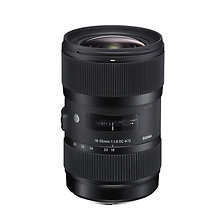
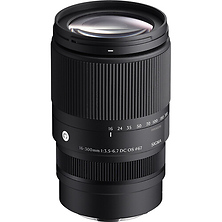
Sigma zoom lenses cover the focal lengths photographers reach for every day, from sweeping wide-angle views to long telephoto reach, across three clearly defined product lines. Sigma designs these zooms for mirrorless bodies in Sony E, L-Mount, and Fujifilm X, so one catalog serves both full frame and APS-C shooters. Whether you are building a first kit or adding a specialized range to a working bag, the lineup is easy to navigate.
Every zoom in this category is built around the shorter flange distance of a mirrorless mount, which gives optical designers room to place elements closer to the sensor. That freedom shows up as compact barrels, wide maximum apertures held across the zoom range on several models, and autofocus motors tuned for the on-sensor phase detection that digital mirrorless cameras rely on. The glass feels matched to the body rather than adapted to it.
Sigma uses the same naming structure across its catalog, so once you know what Art, Contemporary, and Sports mean, you can read any lens name at a glance.
How Sigma Organizes Its Zoom Lenses
Sigma sorts its Global Vision catalog into three lines and marks each lens with a short set of letters describing the design priority, the sensor coverage, and the feature set.
- Art: built around optical performance, for photographers who want the most detail the format can deliver
- Contemporary: a balance of optical performance and compact size, for photographers who carry a kit all day
- Sports: built for durability and weather sealing, for fast action and wildlife work in demanding conditions
- DG: the lens covers a full frame sensor
- DC: the lens covers a crop sensor format such as APS-C
- DN: the optical design was created for mirrorless cameras
- OS: Sigma's optical stabilization is built into the lens
Wide-Angle, Standard, and Telephoto Zoom Ranges
Wide-angle zooms handle interiors, architecture, landscapes, and night sky work, where a broad field of view and a fast maximum aperture carry the shot. Photographers working in this range often pair the lens with filters for long exposures and glare control, so it is worth confirming the filter size listed for the specific lens you choose.
Standard zooms cover the everyday span from moderate wide-angle through short telephoto, which makes them the default choice for events, portraits, travel, and general assignment work. Telephoto zooms extend reach for sports, wildlife, and stage work. The longest options in this group carry enough weight that photographers usually support them at the lens with a collar and tripod mount rings instead of hanging that load off the camera body.
Mounts and Camera Compatibility
This category covers Sigma zooms in Sony E, L-Mount, and Fujifilm X. Each version is built natively for its mount, with the electronic contacts that mount requires for autofocus, aperture control, and stabilization communication. A full frame lens marked DG mounts and shoots on an APS-C body in the same system, where the smaller sensor records a narrower field of view from the center of the image circle. Lenses marked DC are matched to APS-C coverage from the start, which keeps the barrel shorter and the weight down.
Who Uses Sigma Zoom Lenses
Event and wedding photographers lean on standard zooms with a constant maximum aperture, because one lens covers a ceremony from wide establishing frames to tight reaction shots without a swap. A constant aperture keeps exposure steady as the focal length changes, which matters in a dim venue.
Wildlife and sports photographers work at the long end of the catalog, where reach and autofocus speed decide whether a frame lands. Our wildlife photography buyer's guide covers the telephoto and zoom ranges wildlife work calls for, and lists Sigma among the brands for long reach. Sports line zooms are the common pick for this work, since weather sealing and a reinforced build hold up to rain, dust, and long days on a monopod.
Travel photographers, students, and hybrid shooters who record video tend toward the Contemporary line, where compact zooms keep a bag light through long days. Video shooters also look for smooth manual focus rings and quiet autofocus operation, both of which keep mechanical noise off the recorded audio track.
FAQs:
What do DG, DC, DN, and OS mean in a Sigma lens name?
DG indicates the lens covers a full frame sensor, and DC indicates coverage for a crop sensor format such as APS-C. DN tells you the optical design was created for mirrorless cameras and their shorter flange distance. OS indicates Sigma's optical stabilization is built into the lens.
What is the difference between the Art, Contemporary, and Sports lines?
Art lenses are built around optical performance for photographers who want maximum detail from the format. Contemporary lenses balance optical performance with compact size and lighter weight for photographers who carry a kit all day. Sports lenses emphasize durability and weather sealing for fast action and wildlife work. The line name describes the design priority, not a ranking.
Can I use a full frame Sigma zoom on an APS-C camera?
Yes, as long as the mount matches. A DG lens on an APS-C body in the same system produces a narrower field of view, because the smaller sensor records only the center portion of the image circle. Many photographers use this deliberately to gain apparent reach with a telephoto zoom. A DC lens is matched to APS-C coverage and is the lighter choice for those bodies.
How does autofocus work on a Sigma zoom?
Sigma builds each version of a lens for one specific mount, with the electronic contacts that mount requires, so autofocus, aperture control, and stabilization communication run through your camera's normal controls. Check the mount named in the product title and match it to your body before ordering, since the Sony E and L-Mount versions of one optical design are separate products.
Which zoom range should I buy first?
A standard zoom is the usual starting point, since it spans moderate wide-angle through short telephoto and handles most everyday subjects on its own. From there, photographers typically add a telephoto zoom for distance work or a wide-angle zoom for landscapes and interiors, which keeps the gaps in focal length coverage small at each step.
How should I store and protect a zoom lens?
Keep the front and rear caps on whenever the lens is off the camera, and store it somewhere temperature and humidity stay stable. Padded lens cases and pouches protect the barrel and the mount in transit, and a hood shields the front element from impact and stray light. Caps, hoods, and cleaning supplies are grouped in our lens accessories section.
Shop Sigma Zoom Lenses at Samy's Camera
Sigma zoom lenses give you a clear path from a first standard zoom to full wide-angle and telephoto coverage across Sony E, L-Mount, and Fujifilm X. Our staff shoots with this glass daily and can talk through which range fits the work you do. Order online for fast shipping, or visit one of our store locations to handle a lens on your own camera before you decide.