




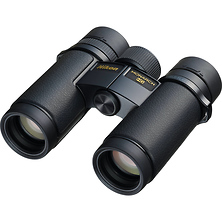
Understanding Binocular Magnification and Objective Diameter
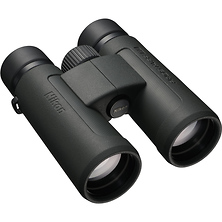
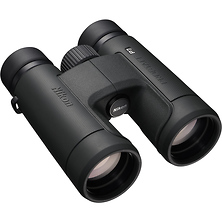
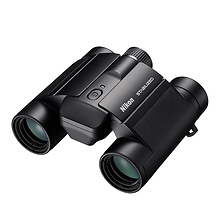
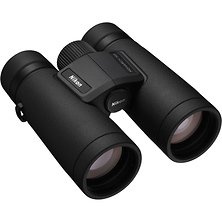
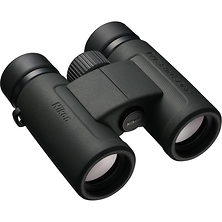
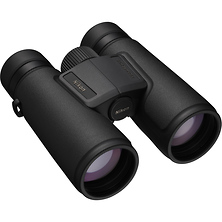
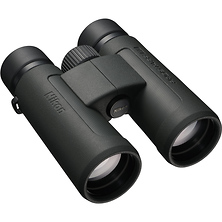
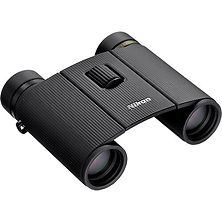
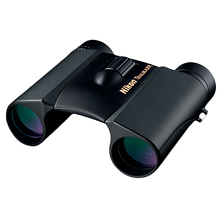
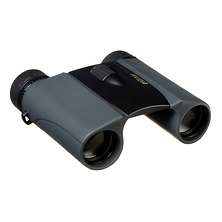
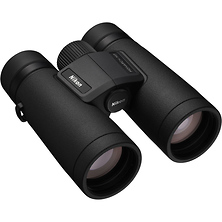
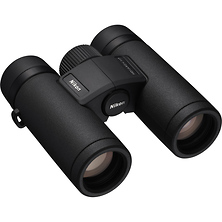
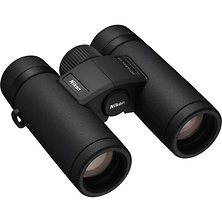
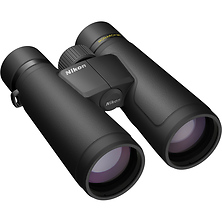
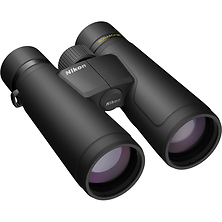
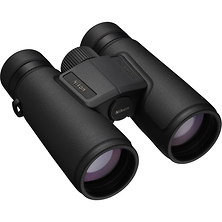
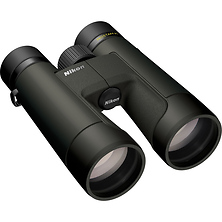
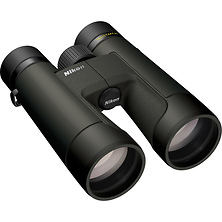
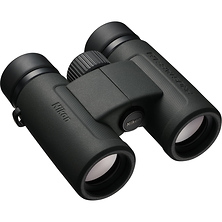
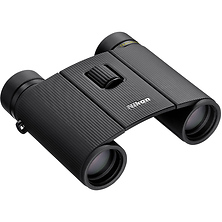
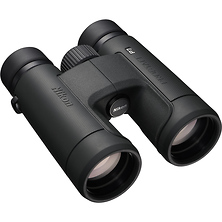
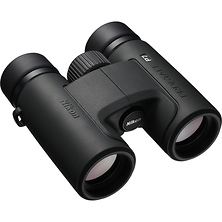
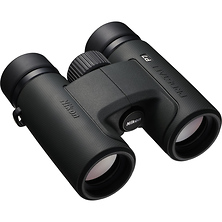
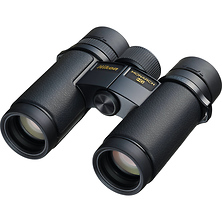
Nikon binoculars deliver clear, bright images for wildlife watching, sports, and casual stargazing. Nikon builds compact pairs for travel and full-size models for low light, so the choice comes down to how far away your subject is and how much light you have.
Every pair carries a two-number specification on the barrel, such as 8x42 or 10x50. The first number is magnification: at 8x, a distant bird appears eight times larger than it does to your unaided eye. The second number is the objective lens diameter in millimeters, and a larger objective collects more light, which is what carries the view through early morning birding and dusk observation.
Those two numbers together set the exit pupil, the width of the light beam leaving the eyepiece. Divide the objective diameter by the magnification: an 8x42 produces a 5.25mm exit pupil, a 10x42 produces 4.2mm. Your own pupil opens to roughly 7mm in darkness and closes to about 2mm in bright sun, so a wider exit pupil is what keeps the view bright at dawn and dusk.
Choosing Magnification and Objective Size
The 8x to 10x range balances brightness against field of view for general use. Move up to 12x and the field narrows while hand shake becomes visible. Drop to 6x and you gain width and steadiness for fast-moving subjects.
On the objective side, a 50mm front element collects a larger cone of light than a 42mm, which is what you want at dawn and dusk, and it adds weight in exchange. A 25mm to 30mm compact travels easily and works well in daylight, while a 42mm to 50mm pair suits low-light observation from a fixed position.
Field of View and Eye Relief
Field of view measures how wide a slice of the landscape you see at 1000 yards, expressed in feet or in degrees. A wide field makes it easier to find a bird in flight or follow a play across a field. A narrow field, which comes with higher magnification, concentrates the view and asks for more precise aiming.
Eye relief is how far you can hold the binoculars from your eyes and still see the full field of view, and it is the specification that matters most if you wear glasses. Models offering 17mm to 20mm let you keep your eyeglasses on and still see edge to edge, with twist-up eyecups that retract to make room for the lenses.
Weather Sealing and Durability
Waterproof construction seals the optical elements so moisture stays out of the barrels. Fogproofing replaces the air inside with dry nitrogen or argon, which keeps the internal glass clear when you move from cold air into warm. Rubber armor adds grip in wet conditions and absorbs impact if the pair takes a knock. Together those features hold up to hunting in rain and birding along the coast.
Binocular Coatings and Image Quality
Every air-to-glass surface inside a binocular reflects away a small share of the incoming light. Coatings on the lens and prism surfaces cut those reflections, which is why a fully multicoated optical path, where each surface carries multiple layers, holds a brighter image at twilight. Glass quality and grinding precision then set edge-to-edge sharpness.
When a Spotting Scope Makes Sense
Spotting scopes pick up where binoculars run out of magnification. A binocular typically sits between 6x and 12x, while a scope covers a zoom range that often runs from around 20x to 60x, with an objective large enough to hold the image bright at that reach. You view through one eye rather than two, trading the comfort of binocular viewing for detail at distance.
That reach asks for support. At 40x, hand tremor is magnified past the point where a handheld view holds still, so a scope belongs on tripods and heads or a window mount. Angled eyepieces let several people share a scope at different heights, while straight eyepieces are quicker to aim at a subject you can already see. Digiscoping adapters mount a camera or a phone behind the eyepiece, and a padded case from our hard cases and large bags selection protects the scope in transit.
Common Uses for Nikon Binoculars
Birding and Wildlife Observation
The 8x42 to 10x42 range is the working standard for birding, wide enough to find a moving bird in the canopy and bright enough for shaded woodland. Birders out at first light often move up to a 50mm objective. A spotting scope earns its place at the shoreline or the marsh, where even 10x leaves the subject small.
Hunting
Hunters tend toward 10x with a 42mm or larger objective for picking game out of a distant treeline. Weather sealing matters here, along with a focus wheel you can turn with gloves on. A scope on a tripod handles the glassing session where you sit and work a hillside methodically.
Sports and Events
Magnifications of 7x or 8x with a wide field of view follow movement across a field or a track without losing the play, and a compact body keeps the weight manageable over a full afternoon in the stands.
Casual Astronomy
Binoculars are a natural first step into night sky observation, showing the moon's terminator, the Galilean moons, and open star clusters. A 10x50 gathers enough light for those targets while staying steady enough to hand hold for short looks. Resting your elbows on a fence extends how long you can observe comfortably.
Frequently Asked Questions
At what magnification do I need a tripod?
Most people hand hold comfortably through 10x. At 12x the image starts to show your pulse, and by 15x a support makes the difference between a usable view and a shaky one. Many full-size binoculars include a threaded socket under the hinge cover that accepts a tripod adapter.
How do I focus binoculars correctly for my eyes?
Cover the right objective and turn the center wheel until the left eyepiece is sharp. Then cover the left objective and turn the diopter adjustment by the right eyepiece until that side matches. That sets the difference between your eyes once. After that you only touch the center wheel.
How should I clean the lenses?
Blow loose grit off with a bulb blower first, since dragging a cloth across sand is what causes scratches. Follow with a lens brush, then a microfiber cloth with a drop of lens cleaning fluid applied to the cloth rather than the glass, working from the center outward.
Should I choose binoculars or a spotting scope?
Choose binoculars for scanning, walking, and following movement, since two-eyed viewing stays comfortable for long stretches. Choose a scope when you are stationary and the subject needs magnification past 12x to resolve. Many birders and hunters carry both.
Shop Nikon Binoculars at Samy's Camera
Nikon binoculars cover the range from a compact pair for daylight hikes to a full-size instrument for dawn observation and dusk glassing. Samy's Camera carries the line along with the tripods, adapters, and cases that go with it, plus a full selection of camera accessories and photography gear for the rest of your kit.