








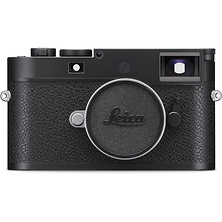
Leica Mirrorless Camera Systems
Leica mirrorless cameras combine the brand's legendary optical precision with modern autofocus and connectivity, delivering tools for photographers who value craftsmanship, build quality, and timeless design. Whether you're drawn to Leica's full-frame L-mount system or the iconic rangefinder heritage of the M series, these cameras deliver distinctive image rendering and tactile, mechanical control that many photographers find irreplaceable in an increasingly automated market.
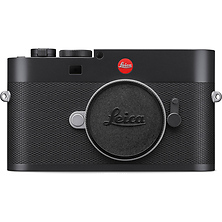
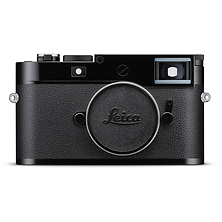
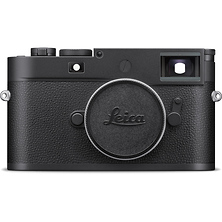
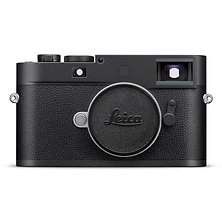
Leica produces two distinct mirrorless platforms. The SL series represents the brand's full-frame L-mount system with autofocus and electronic viewfinder. The M series carries rangefinder tradition forward with a fixed 28mm view, manual focus, and optical simplicity. Both share Leica's hallmark build quality, minimalist aesthetic, and commitment to optical excellence.
Leica cameras prioritize rendering and deliberate control over raw specifications. Prices reflect both the engineering precision and heritage that comes with the Leica name.
Leica L-Mount Full-Frame Mirrorless Bodies
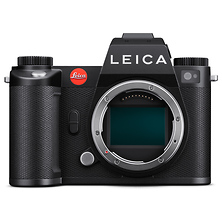
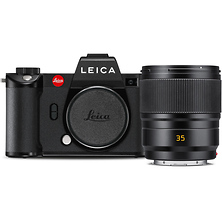
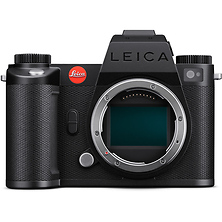
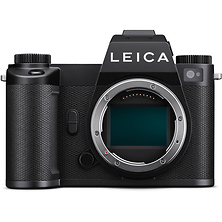
Leica's SL series represents the brand's modern full-frame mirrorless platform. These cameras use the L-mount, a collaboration between Leica, Panasonic, and Sigma that provides access to a growing ecosystem of native lenses. SL full-frame bodies deliver contrast-detect and phase-detect autofocus, continuous shooting performance, and 8K video capability. Fixed-lens SL variants provide ready-to-shoot options with premium optics pre-mounted.
All SL models feature:
- Full-frame CMOS sensors with 24MP or higher resolution
- L-mount compatibility with native Leica, Panasonic, and Sigma L-mount optics
- In-body 5-axis image stabilization for handheld shooting
- Professional video recording up to 8K at 24p
- Dust and weather-sealed magnesium-alloy bodies
- Manual focus with electronic rangefinder assist for precise control
- USB-C connectivity for tethering and power delivery
Leica M Series Rangefinder Cameras
The M series carries Leica's rangefinder heritage into digital form. Unlike most modern mirrorless systems, M-mount cameras use a fixed 28mm focal length view through a physical rangefinder mechanism and manual focus system. This deliberate limitation appeals to photographers seeking simplicity, mechanical reliability, and a direct connection to composition. Current-generation M-mount bodies deliver excellent low-light performance, while monochrome variants optimize for fine-grain capture and tonal rendition.
M-series characteristics:
- Fixed 28mm angle of view (approximately 50mm equivalent on film)
- Manual focus via rangefinder patch in the optical viewfinder
- Compact, rangefinder-style bodies with minimal electronics
- Silent leaf-shutter operation ideal for discreet shooting
- Exceptional low-light performance with base ISO 80
- M-mount compatibility with decades of legacy glass and modern options
- Mechanical reliability with minimal battery dependence
Who Uses Leica Mirrorless Cameras
Travel and street photographers choose Leica mirrorless bodies for their compact size and distinctive rendering. The M series rangefinder design is particularly valued for documentary and journalistic work where reliability and optical simplicity matter more than electronic conveniences. The fixed lens option teaches compositional discipline and forces thoughtful framing decisions.
Fine-art and landscape photographers appreciate Leica's color science and rendering, especially the SL series' ability to capture subtle tonality and color separation. The brand's reputation for longevity means some buyers view a Leica camera as a multi-generational investment rather than disposable technology.
Professional photographers who need precision optics and weather-sealed construction use SL bodies for commercial and editorial work. The L-mount ecosystem provides access to premium lenses from Leica, Panasonic, and Sigma without switching mounts, and the video capabilities support hybrid workflows.
Leica M and SL Lenses
Leica mirrorless systems benefit from dedicated lens ecosystems. M-mount lenses range from compact primes to specialty designs, with both classic mechanical glass and modern autofocus options. SL bodies work with the growing L-mount alliance, providing native Leica lenses alongside options from Panasonic and Sigma. Owners often keep legacy glass from the film era, as M-mount compatibility spans decades.
Consider pairing your Leica camera with:
- Classic or modern M-mount lenses for rangefinder systems
- Native L-mount Leica lenses for SL-series full-frame bodies
- Quality camera bags designed for rangefinder protection
- Tripods and heads for precise composition work
- External flash or lighting for controlled fill light
Frequently Asked Questions
What is the difference between Leica M and SL mirrorless cameras?
The M series uses a rangefinder viewfinder system and manual focus with a fixed 28mm angle of view. It prioritizes simplicity, mechanical reliability, and a deliberate shooting process. The SL series offers full-frame sensors, electronic viewfinders, autofocus, and interchangeable L-mount lenses, appealing to photographers who want modern convenience alongside Leica's optical standards. M cameras suit street and travel photography; SL cameras serve professional commercial and editorial workflows.
Are Leica rangefinder cameras suitable for video?
M-series cameras do not record video. They are optimized for still photography with a focus on optical simplicity and mechanical operation. If video is a priority, the SL series provides 8K recording capability, professional audio connectivity, and post-production flexibility. For photographers interested in both stills and video, an SL-mount body is the appropriate choice.
Can I use old Leica lenses on modern M-mount digital cameras?
Yes. Digital M-mount cameras maintain compatibility with decades of mechanical M-mount glass, including lenses from the 1950s onward. Many photographers pair modern M bodies with used or vintage lenses, appreciating both the optical character of older designs and the cost savings. Autofocus lenses designed for later generations work on all M bodies, though manual focus glass requires the rangefinder patch for precise focus confirmation.
What is the L-mount and why does it matter?
The L-mount is a collaborative standard shared by Leica, Panasonic, and Sigma. It allows SL bodies to use native optics from all three manufacturers without adapters, expanding lens choices beyond Leica's own catalog. Photographers investing in L-mount lenses benefit from a larger ecosystem than a single-manufacturer platform.
How does Leica image rendering compare to other mirrorless brands?
Leica cameras are known for distinctive color rendering, tonal separation, and a film-like quality that many photographers describe as "Leica look." This character stems from decades of optical design choices, sensor tuning, and the brand's philosophy of prioritizing image quality over maximum sharpness or contrast. Some photographers seek this rendering as the primary reason to shoot Leica; others view it as a pleasant byproduct of cameras designed for longevity rather than specification sheets.
Should I buy a Leica rangefinder or explore other mirrorless options?
Choose a Leica rangefinder if you value mechanical simplicity, quiet operation, optical precision, and deliberate composition. Choose the SL series if you need autofocus, electronic viewfinding, and modern connectivity. If neither appeals, explore other digital mirrorless cameras that may align with your specific workflow. Leica cameras reward commitment to the brand's philosophy; they excel for photographers who prioritize rendering and mechanical control.
Shop Leica Mirrorless Cameras at Samy's Camera
Leica mirrorless cameras represent decades of optical and mechanical engineering in compact, reliable packages. Whether you choose the rangefinder heritage of the M series or the full-frame versatility of the SL system, you're investing in cameras designed to outlast trends and reward careful, intentional photography. Samy's Camera offers fast shipping, expert guidance on Leica systems, and a complete range of accessories to support your shooting style.