











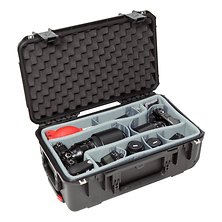
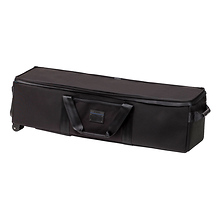
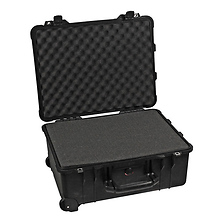
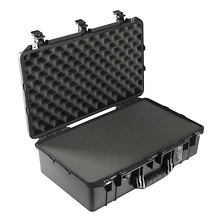
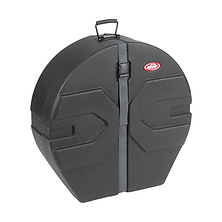
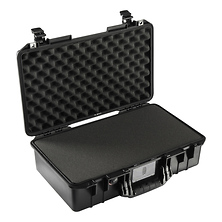
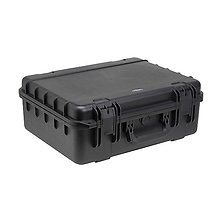
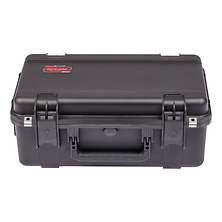


What Hard Cases Do for Your Gear
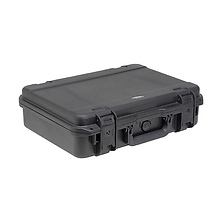
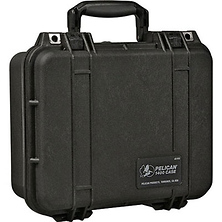
Protecting your photography and video equipment requires more than a basic bag. Hard cases provide serious gear defense against impacts, weather, and the rigors of on-location and studio work. Whether you're traveling between shoots, transporting expensive camera bodies and lenses, or securing your entire kit during location shoots, these protective solutions from Samy's Camera offer the rugged protection professionals depend on.
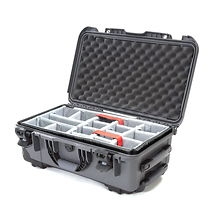
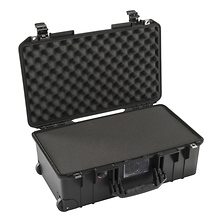
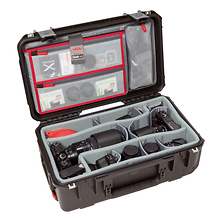
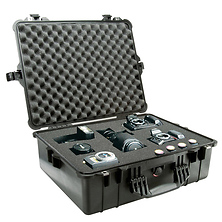
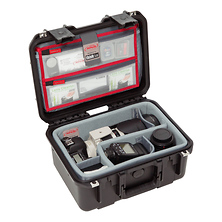
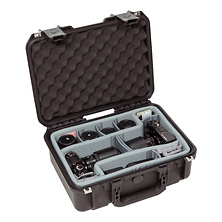
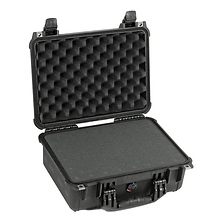
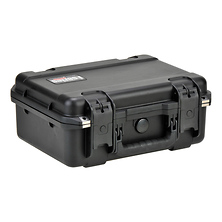
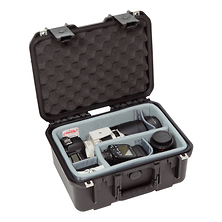
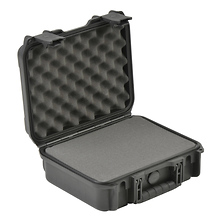
Hard cases create a protective shell around your equipment, isolating it from shock, moisture, dust, and temperature changes. The interior foam or padded compartments conform to your specific gear, preventing movement during transport. Your cameras, lenses, lighting rigs, and audio equipment stay secure in trucks, airplanes, and studios.
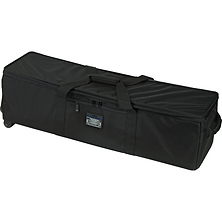
Large equipment bags extend this protection across multi-day shoots and complex setups. Designed to distribute weight evenly across your body or wheels, they let you focus on your work instead of worrying about gear damage.
Key Features of Quality Hard Cases
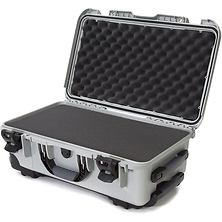
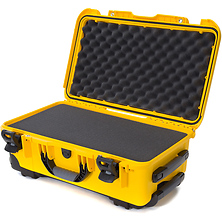
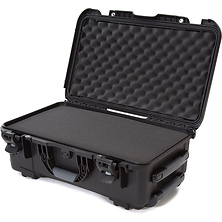
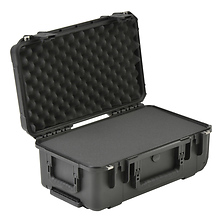
- Waterproof and crushproof construction with pressure relief valves
- Foam-lined interiors customizable through router-compatible designs
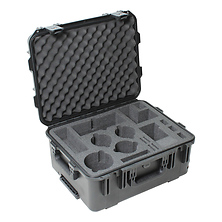
- Pluck-and-pull foam that you can cut to fit your exact equipment
- Durable latches and locking tabs for security during transport
- Pressure relief valves that prevent pressure buildup during air travel
- Corrosion-resistant hardware and gasket sealing
- Molded ergonomic handles for single-person and two-person carries
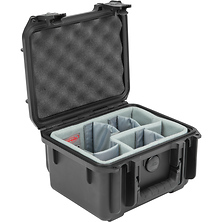
- Compatible with tripod bags and lens cases for organization
Hard Case Materials and Construction
Rotomolded polyethylene and polypropylene provide impact absorption and crush resistance while staying lightweight. Internal foam layers absorb shocks that would otherwise transmit to your equipment. Professional-grade cases use closed-cell foam that resists water absorption and maintains integrity over years of use.
Hardware on professional cases uses stainless steel or aircraft-grade aluminum. The seal gasket, typically silicone or rubber, compresses when the case closes to create an airtight seal that keeps moisture and dust out during storage.
Rolling Cases vs. Stationary Hard Cases
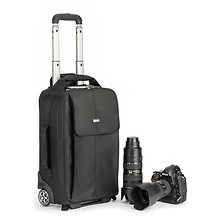
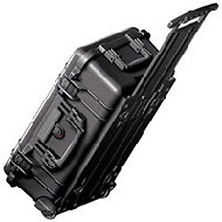
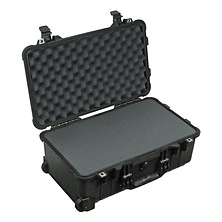
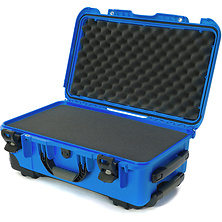
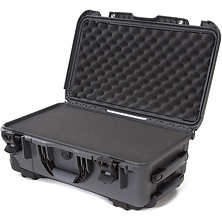
Rolling cases and bags extend hard case protection across longer distances. Mounted on heavy-duty wheels with telescoping handles, rolling cases handle airport terminals, long hallway corridors, and uneven surfaces. Stationary hard cases prioritize compact size and stackability. For lighter loads and hiking, consider backpacks that offer protection with even weight distribution.
Hard Cases by Brand
Pelican cases set the industry standard for waterproof protection, used by military and film production teams worldwide. SKB cases focus on lightweight designs without sacrificing durability. Tenba emphasizes thoughtful interior organization for production sets. Nanuk delivers compact impact protection ideal for drone operators. Think Tank Photo specializes in protective cases with practical features. Manfrotto combines protection with modular dividers. Godox offers budget-conscious waterproof options. Inovativ serves production crews with modular system cases.
Choosing the Right Case for Your Kit
Consider what you're protecting, where it travels, and access frequency. Stationary cases work best when your gear stays packed between shoots. Rolling cases justify their weight during frequent travel. Interior organization matters as much as exterior protection. Pluck-and-pull foam lets you create custom compartments, while pre-cut foam inserts save setup time.
Water and Dust Protection Standards
IP67 rating means the case is dust-tight and waterproof for full immersion up to 1 meter. IP68 extends waterproofing for depths beyond 1 meter. Pressure relief valves on waterproof cases prevent vacuum sealing during air travel, which could damage the gasket or make cases difficult to open. Gasket maintenance (cleaning and occasional silicone lubrication) keeps waterproof seals effective for years.
Hard Cases for Different Photography Disciplines
Portrait and Studio Photography
Studio setups benefit from stationary hard cases that protect lighting rigs, modifiers, and camera bodies between sessions. Hard cases protect expensive equipment from accidental spills, thermal shock, and dust.
Travel and Location Photography
Travel photographers choose cases sized for airline restrictions. Waterproof construction protects against airport hazards and unexpected weather during destination shoots.
Video and Cinema Production
Film crews transport cameras, cinema lenses, and support equipment that demands serious protection. Large cases protect expensive cinema bodies. Pressure relief valves matter for frequent air travel. Rolling cases become essential for multi-day shoots where crews move between locations.
Drone and Audio Equipment
Drones and accessories fit in compact hard cases with custom foam cutouts. Audio equipment benefits from waterproof protection on location sets.
Frequently Asked Questions
Can I fly with hard cases?
Yes. Hard cases count as checked baggage on airlines, and pressure relief valves prevent vacuum sealing damage during pressurized flight. TSA regulations allow hard cases in checked bags without restriction; carry-on allowance depends on airline size limits and weight restrictions.
Do hard cases need gasket maintenance?
Gaskets maintain performance longest with basic care. Wipe the gasket surface clean before closing the case, and apply light silicone grease every 12-18 months to keep rubber and silicone gaskets supple. Avoid petroleum-based lubricants that can degrade the gasket material.
What's the difference between pluck-and-pull and pre-cut foam?
Pluck-and-pull foam starts as solid foam; you remove pieces by hand or router to create compartments for your specific gear. Pre-cut foam comes with predetermined compartments that fit standard kits. Pluck-and-pull offers maximum flexibility if your equipment changes. Pre-cut foam saves time if your kit remains consistent.
Will a hard case protect my gear during air travel?
Hard cases provide excellent protection during air travel when properly packed. Wrap individual items with protective padding, fill empty spaces with soft materials to prevent movement, and use the interior foam to isolate gear from impacts. Waterproof cases also protect against unexpected spills and leaks from other baggage.
How do I choose between a stationary and rolling case?
Rolling cases work best for frequent travel, airport terminals, and longer distances. They add weight and bulk, so they're less ideal for hiking, climbing stairs, or rough terrain. Stationary cases suit photographers who transport gear by vehicle, store equipment between shoots, or navigate difficult terrain on location.
What size hard case should I buy?
Measure your largest piece of equipment (usually a camera body plus longest lens or a lighting fixture) and add 2-3 inches for padding. A case that's too small forces compromises on organization; a case that's too large becomes harder to pack efficiently and transport. Consider future gear additions when deciding between sizes.
Shop Hard Cases & Large Bags at Samy's Camera
Camera bags and pouches handle daily transport, while hard cases protect your investment during demanding shoots and travel. Samy's Camera carries hard cases from Pelican, SKB, Tenba, Nanuk, Think Tank Photo, Manfrotto, Godox, and other trusted brands. Whether you need protection for a single lens, a complete camera kit, full lighting rigs, or audio equipment, we have cases sized for your gear and your shooting style. Browse our selection alongside other photography accessories to complete your protection setup.