












Why Choose Mirrorless Cameras
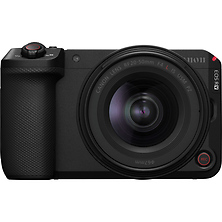
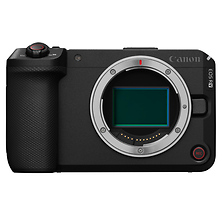
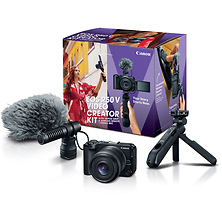
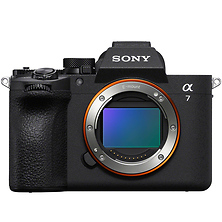
Digital mirrorless cameras have become the preferred choice for photographers and videographers seeking compact, versatile systems without sacrificing image quality or performance. Whether you're a professional shooter, serious hobbyist, or creator looking to expand your kit, mirrorless technology delivers fast autofocus, silent operation, and advanced video capabilities in a lightweight package. At Samy's Camera, we carry mirrorless cameras across all sensor sizes and price points so you can find the right system for your creative vision.
Mirrorless technology eliminates the mirror mechanism found in traditional DSLRs, creating cameras that are physically smaller and lighter while delivering exceptional autofocus performance. This compact design makes mirrorless systems ideal for travel, event coverage, and situations where weight matters. The lack of a mirror also means faster autofocus through advanced phase-detection systems and eye-tracking technology, especially valuable for fast-moving subjects like sports and wildlife. Real-time previews through electronic viewfinders give you an accurate representation of exposure and depth of field before you press the shutter, eliminating exposure surprises.
Professional mirrorless cameras now offer 8K video recording, high frame rates for stills, and extensive codec options that rival or exceed dedicated cinema cameras. Photographers switching from DSLR systems appreciate the in-body autofocus improvements, silent shooting modes, and future-proof lens ecosystems that many manufacturers continue to expand. Many mirrorless bodies also feature in-body image stabilization, reducing the need for stabilized lenses and allowing you to shoot handheld in lower light situations.
Key Features of Digital Mirrorless Cameras
When evaluating a mirrorless system, consider these core specifications:
- Full-frame sensors deliver maximum dynamic range and low-light performance for professional work and demanding applications
- APS-C sensors offer excellent image quality in a more compact body at lower price points, perfect for enthusiasts and hybrid photo/video work
- Micro Four Thirds format provides even smaller footprints with access to affordable, high-quality lenses across multiple manufacturers
- Autofocus systems with phase detection and eye-tracking lock onto and follow subjects with speed and accuracy
- Weather sealing and magnesium alloy bodies withstand demanding conditions and daily professional use
- In-body image stabilization compensates for camera shake across all lenses, not just stabilized options
- Battery life performance varies; many photographers carry spares for extended shooting days
- Native lens ecosystems continue expanding; Sony cameras offer extensive E-mount options, Canon has grown its RF system rapidly, and Nikon continues to expand Z-mount lenses
Full-Frame Mirrorless Systems
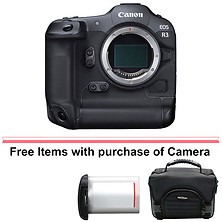
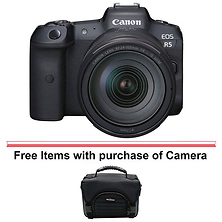
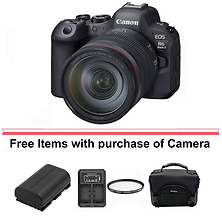
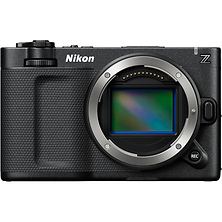
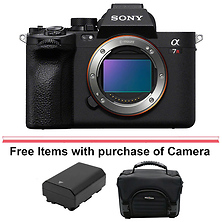
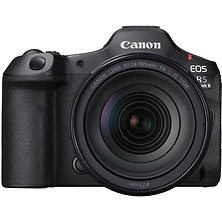
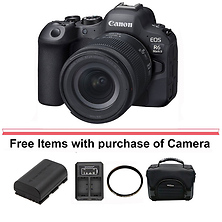
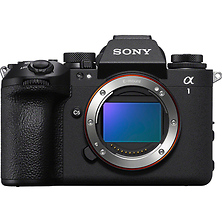
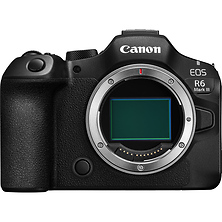
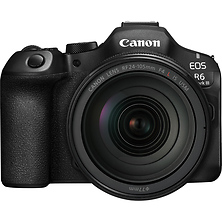
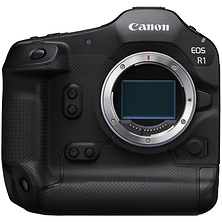
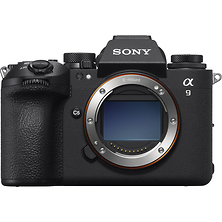
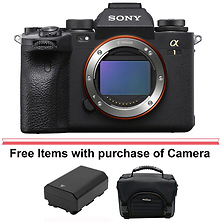
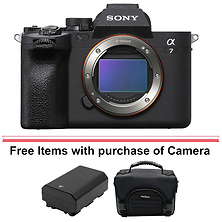
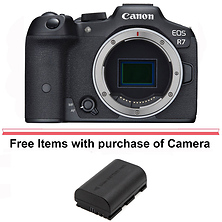
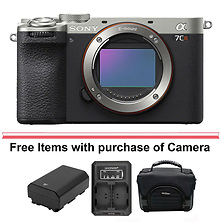
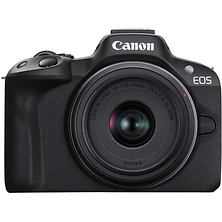
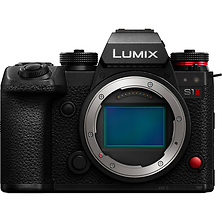
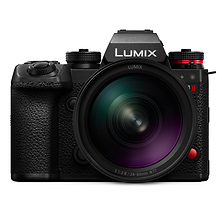
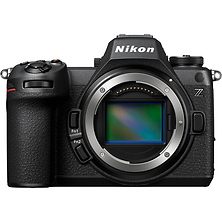
Full-frame mirrorless bodies represent the highest end of the category, offering maximum sensor area for dynamic range, detail resolution, and low-light capability. Sony offers a mature Alpha lineup spanning professional flagship bodies to entry-level full-frame options. Canon's EOS R lineup combines traditional Canon controls with new RF lens technology designed specifically for mirrorless performance. Nikon Z series cameras deliver advanced autofocus and ergonomics built for photographers transitioning from DSLR systems. Leica M-series bodies and L-mount partners like Panasonic offer premium options for photographers prioritizing unique aesthetics and craftsmanship.
APS-C and Lightweight Mirrorless Options
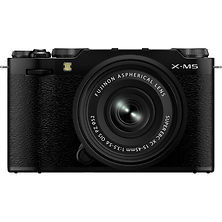
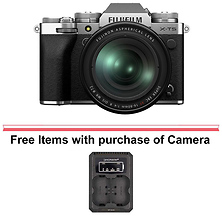
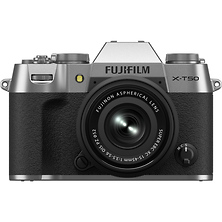
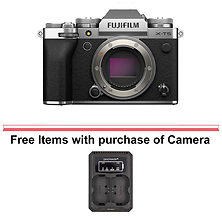
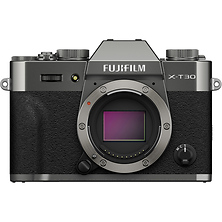
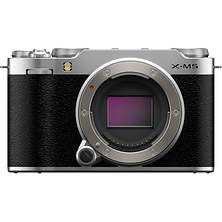
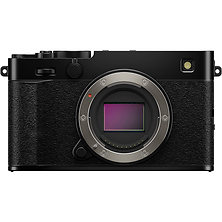
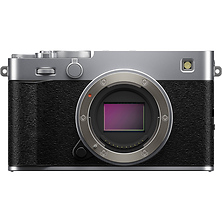
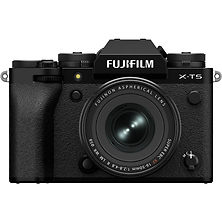
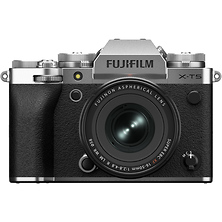
APS-C mirrorless cameras strike a balance between image quality and price, attracting serious hobbyists and professionals who value portability. Fujifilm X-series cameras are renowned for thoughtful design, durable construction, and excellent color science that appeals to street, documentary, and fashion photographers. Sony's APS-C E-mount bodies offer incredible autofocus performance and access to a vast ecosystem of native lenses. OM System and Panasonic deliver Micro Four Thirds options that prioritize compactness while maintaining professional autofocus capabilities and access to lenses from multiple manufacturers.
Accessories to Pair With Your Mirrorless Camera
Once you choose your mirrorless body, completing your kit ensures you're ready for any shoot. Essential accessories complement your system and extend its capabilities:
- Lenses expand your creative range with focal lengths for portraits, landscapes, sports, wildlife, and macro work
- Camera bags and pouches protect your body and lenses during travel and daily use
- Tripods and heads stabilize your camera for video work, long exposures, and group shots
- Flashes and lighting accessories extend your creative control in low light and enable professional fill lighting
- Memory and storage solutions ensure you have enough fast cards for continuous recording and burst shooting
- Extra batteries and chargers keep you shooting throughout full days of work
- Lens accessories including filters, extension tubes, and converters expand what you can capture with your existing lenses
Who Uses Digital Mirrorless Cameras
Professional photographers and cinematographers rely on mirrorless technology for commercial assignments, editorial work, and client delivery. The fast autofocus, silent operation, and advanced video make mirrorless systems ideal for wedding photographers, event shooters, and documentary filmmakers. Enthusiast photographers appreciate the learning curve and upgrade path that established mirrorless ecosystems provide, knowing they can grow their kit with compatible lenses and accessories. Content creators and YouTubers favor mirrorless cameras for their video capabilities, compact size, and ability to deliver broadcast-quality footage without cinema-focused complications. Travel photographers choose mirrorless systems for reduced weight without compromising on image quality or performance during extended international trips.
Frequently Asked Questions
What is the difference between a mirrorless camera and a DSLR?
Mirrorless cameras eliminate the mirror and optical viewfinder mechanism found in DSLRs, creating a smaller, lighter body that delivers real-time previews through an electronic viewfinder. This design enables faster autofocus through continuous phase detection, silent operation in quiet environments, and more accurate exposure preview before capture. Many photographers switching from DSLRs find mirrorless autofocus superior for tracking subjects and video recording more intuitive due to phase-detection based systems that work similarly to video autofocus.
Do I need to buy a new lens system when switching to mirrorless?
This depends on your current system. Photographers with Canon DSLR lenses can use EF-to-RF adapters on Canon mirrorless bodies, maintaining lens compatibility while gaining mirrorless benefits. Sony E-mount, Nikon Z-mount, and Fujifilm X-mount systems have native lens ecosystems that continue expanding, though third-party manufacturers like Sigma also provide compatible options. Starting fresh with native lenses optimized for your chosen mirrorless system often provides better autofocus performance and lens design advantages, though adapters make partial lens reuse possible during the transition.
Which mirrorless camera should I choose as a beginner?
Beginning photographers should prioritize user-friendly controls, reliable autofocus, and a growing ecosystem of affordable lenses. Sony APS-C models and Canon's lower-priced EOS R bodies offer excellent starting points with intuitive menu systems and extensive tutorial resources. Fujifilm X-series cameras attract photographers who appreciate tactile controls and beautiful out-of-camera color. Consider renting or visiting a camera store to handle different systems before purchasing, since ergonomics and button placement significantly impact your daily shooting experience.
Can mirrorless cameras handle professional video work?
Yes, many mirrorless cameras now equal or exceed dedicated cinema cameras for video work. Full-frame systems from Sony, Canon, and Nikon offer 8K recording, advanced codec options including ProRes and RAW, and professional autofocus for video. Mirrorless bodies enable silent operation for documentary and interview work where DSLR mirror vibration is problematic. The compact footprint and ability to use lenses across different focal lengths make mirrorless ideal for rungun video, interviews, and hybrid photo/video work where versatility matters.
What is autofocus performance like on mirrorless cameras?
Modern mirrorless cameras feature advanced phase-detection autofocus systems that operate at the sensor level, enabling incredibly fast and accurate focusing even during continuous shooting. Many offer eye-tracking technology that locks onto subject eyes and maintains focus automatically, revolutionizing portrait and wildlife photography. Autofocus performance across different manufacturers has converged toward excellent results; differences often come down to algorithms, button placement, and user preference rather than raw focusing speed.
How does sensor size affect mirrorless camera choice?
Sensor size determines dynamic range, low-light capability, depth of field characteristics, and price. Full-frame sensors provide maximum dynamic range and low-light performance, justifying their premium cost for professional and demanding applications. APS-C sensors deliver excellent image quality at lower cost and in more compact bodies, making them ideal for enthusiasts and hybrid photo/video work. Micro Four Thirds sensors enable the smallest overall system weight while maintaining professional autofocus and borrowing lenses from multiple manufacturers.
Shop Digital Mirrorless Cameras at Samy's Camera
Samy's Camera carries a complete selection of digital mirrorless cameras from the world's leading manufacturers. Whether you're upgrading from a DSLR, building your first professional system, or exploring a new brand, our team can help you find the right camera for your creative needs. Browse our full selection of mirrorless cameras by brand, sensor size, and price point, then complete your kit with camera accessories and support gear. Visit us online or in our Los Angeles store for expert guidance and hands-on experience with the systems that match your vision.