






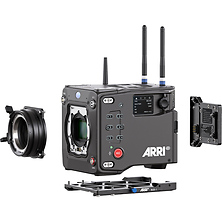

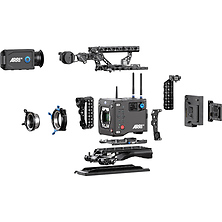
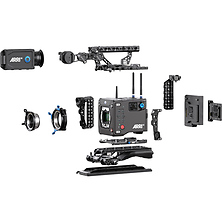
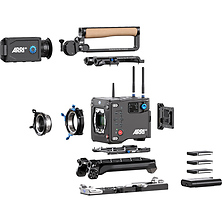
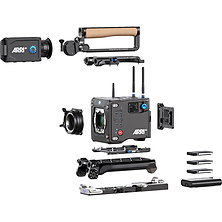
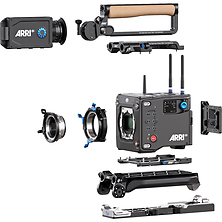
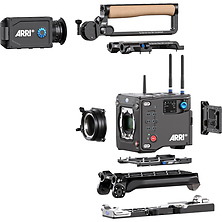
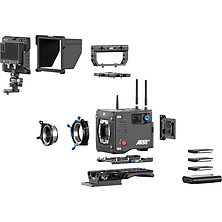
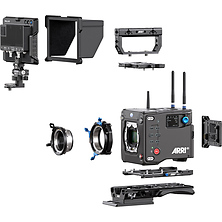

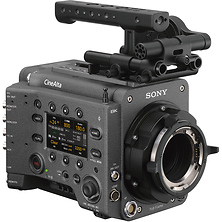

![V-RAPTOR XL [X] 8K VV Production Pack with Rigid-Hinge Touch 7 in. (Gold Mount) Image 0](/imagesproc/L2ltYWdlcy9wcm9kdWN0L21haW4vUy0wODQzNjl4MTAwMC5qcGc=_H_SH222_MW222.jpg)
![V-RAPTOR XL [X] 8K VV Production Pack with Rigid-Hinge Touch 7 in. (V-Mount) Image 0](/imagesproc/L2ltYWdlcy9wcm9kdWN0L21haW4vUy0wODQzNjh4MTAwMC5qcGc=_H_SH222_MW222.jpg)
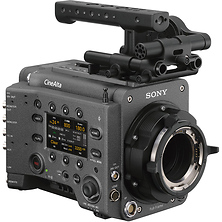
![V-RAPTOR XL [X] 8K VV Camera (V-Mount) Image 0](/imagesproc/L2ltYWdlcy9wcm9kdWN0L21haW4vUy0wODIxNzN4MTAwMC5qcGVn_H_SH222_MW222.jpg)
![V-RAPTOR XL [X] 8K VV Camera (V-Mount) Image 0](/imagesproc/L2ltYWdlcy9wcm9kdWN0L21haW4vUy0wODIxNzJ4MTAwMC5qcGVn_H_SH222_MW222.jpg)
![V-RAPTOR [X] Z Mount Production Pack (Gold Mount) Image 0](/imagesproc/L2ltYWdlcy9wcm9kdWN0L21haW4vUy0wODQ5MTV4MTAwMC5qcGc=_H_SH222_MW222.jpg)
![V-RAPTOR [X] Z Mount Production Pack (V-Mount) Image 0](/imagesproc/L2ltYWdlcy9wcm9kdWN0L21haW4vUy0wODQ5MTR4MTAwMC5qcGc=_H_SH222_MW222.jpg)
![V-RAPTOR [X] 8K VV Production Pack with Rigid-Hinge Touch 7 in. (Gold Mount) Image 0](/imagesproc/L2ltYWdlcy9wcm9kdWN0L21haW4vUy0wODQzNjZ4MTAwMC5qcGc=_H_SH222_MW222.jpg)
![V-RAPTOR [X] 8K VV Production Pack with Rigid-Hinge Touch 7 in. (V-Mount) Image 0](/imagesproc/L2ltYWdlcy9wcm9kdWN0L21haW4vUy0wODQzNjV4MTAwMC5qcGc=_H_SH222_MW222.jpg)
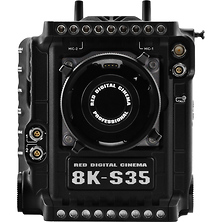
![V-RAPTOR [X] Z Mount Starter Pack with 7.0 in. Touch & MICRO-V Batteries Image 0](/imagesproc/L2ltYWdlcy9wcm9kdWN0L21haW4vUy0wODQ5MTN4MTAwMC5qcGc=_H_SH222_MW222.jpg)
![V-RAPTOR [X] 8K VV Starter Pack with Rigid Hinge Touch 7.0 & 2 x Batteries Image 0](/imagesproc/L2ltYWdlcy9wcm9kdWN0L21haW4vUy0wODQzNjd4MTAwMC5qcGc=_H_SH222_MW222.jpg)
![V-RAPTOR [X] 8K VV Camera Starter Pack with 2 x MICRO-V Batteries (V-Mount) Image 0](/imagesproc/L2ltYWdlcy9wcm9kdWN0L21haW4vUy0wODIxNzV4MTAwMC5qcGVn_H_SH222_MW222.jpg)

![V-RAPTOR [X] 8K VV Camera (Nikon Z) Image 0](/imagesproc/L2ltYWdlcy9wcm9kdWN0L21haW4vUy0wODQ5MTJ4MTAwMC5qcGc=_H_SH222_MW222.jpg)
![V-RAPTOR [X] 8K VV Camera (V-Mount) Image 0](/imagesproc/L2ltYWdlcy9wcm9kdWN0L21haW4vUy0wODIxNzB4MTAwMC5qcGVn_H_SH222_MW222.jpg)
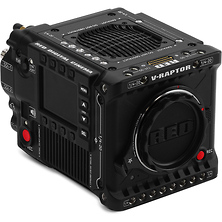

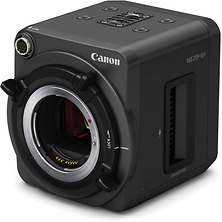
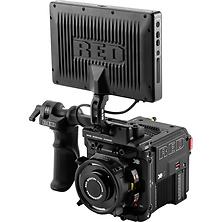
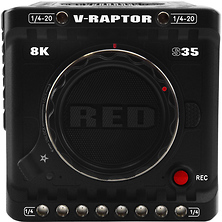

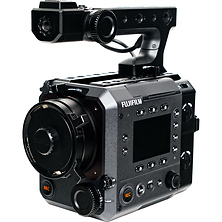
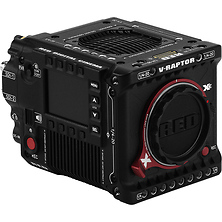
Digital Cinema Cameras for Professional Broadcast and Independent Production
Digital cinema cameras are purpose-built video systems engineered to meet the rigorous demands of broadcast television, feature film production, and professional streaming workflows. Unlike mirrorless or DSLR cameras that prioritize stills photography with video as a secondary feature, cinema cameras offer dedicated video architecture with broadcast-quality codecs, extended recording times, and specialized operational ergonomics. Whether you're producing narrative content, documentaries, or high-end commercial work, the cameras in our digital cinema selection combine industry-standard sensors with production-proven workflows and color science.
Professional digital cinema cameras deliver the image quality, reliability, and operational features required on professional sets. These systems feature integrated recording media management, extended battery run times, professional audio inputs, and modular designs that accept industry-standard lenses and accessories. Each camera in our collection represents years of manufacturer refinement in response to real-world production demands, from multi-camera live broadcast to single-camera documentary work.
Cinema cameras typically operate in 4K or higher resolution at frame rates ranging from 24 frames per second (cinema standard) to 60 fps and beyond for slow-motion applications. Recording formats include compressed (H.264, H.265) and uncompressed workflows, allowing editors and colorists flexibility in post-production. Integrated ND filters, waveform monitors, and focus assist tools reduce the need for external accessories while keeping rigging minimal on location.
As part of your Video & Audio (Main) setup, cinema cameras integrate with professional lighting systems, microphones, and support equipment available at Samy's.
Key Specifications of Digital Cinema Cameras
Resolution and frame rate form the foundation of cinema camera specs. A 4K camera captures 4096 x 2160 pixels or 3840 x 2160 pixels, depending on the standard. 6K and 8K systems provide additional latitude for reframing, stabilization, or future-proofing projects for larger screens. Frame rates from 24p (cinema standard) through 120p enable slow motion and specialized effects work. Sensor size directly affects depth of field, low-light performance, and lens availability, with cinema cameras using Super 35mm, full-frame, or smaller sensors depending on application and lens ecosystem.
- 4K to 8K resolution for broadcast and theatrical release
- Frame rates from 24p through 120p for creative control
- Professional codec support: ProRes RAW, DCI-compatible formats, and broadcast-standard compression
- Modular build with cinema lens mounts (PL, RF, E-mount, or vendor-specific)
- Built-in ND filters, scopes, and focus assist to reduce rig weight
- Extended battery life (60 or more minutes on standard batteries)
- Professional audio inputs and timecode synchronization
Who Uses Digital Cinema Cameras
Feature film and documentary directors rely on cinema cameras for their color science, image stability under extreme conditions, and proven reliability on multi-week productions. Production companies shooting broadcast television, episodic series, and streaming originals choose cinema cameras for their ability to maintain consistent look across multiple cameras and shooting days. The integration of professional tools like waveform monitoring and focus peaking reduces crew requirements and speeds up setup time on location.
Commercial production houses, sports broadcasters, and music video directors choose cinema cameras when the budget and creative demands justify the investment. News operations and documentarians working in remote or challenging environments value the rugged construction, modular lens support, and proven compatibility with external recording systems and wireless transmission rigs. Event broadcast and live streaming at professional scale also depend on cinema camera platforms to maintain broadcast standards and operational consistency across multiple operators.
Professional lighting configurations pair perfectly with cinema cameras. Explore Video Lighting options to complete your production setup with color-matched illumination and power-efficient systems designed for location work.
Cinema Camera Brands at Samy's Camera
Samy's Camera carries digital cinema cameras from the brands that define professional filmmaking, broadcast production, and independent cinema. Whether you're building a studio-grade production package or assembling a compact run-and-gun rig, our selection covers the full spectrum of cinema workflows.
ARRI has set the standard for cinema imaging across feature films, commercials, and episodic television, with cameras and accessories built for demanding production environments. RED Digital Cinema offers one of the largest selections in our cinema department, with modular camera bodies and accessories designed for high-resolution workflows from independent shorts to studio features. Canon brings its Cinema EOS line to broadcast and production workflows, with models supporting 4K and higher resolution capture across the RF mount ecosystem. Sony delivers cinema solutions for different production scales and budget levels, pairing professional sensor technology with versatile recording formats. Blackmagic Design focuses on accessible cinema cameras at multiple price points, serving independent filmmakers and professional studios with integrated DaVinci Resolve workflows. Panasonic cinema cameras emphasize reliability and broadcast integration, with extensive third-party support in post-production. Nikon and Fujifilm each bring their optical heritage to cinema capture, offering options for shooters invested in those lens ecosystems. DJI rounds out the selection with cinema-capable cameras that bridge aerial and handheld production.
Frequently Asked Questions
What is the difference between a cinema camera and a mirrorless camera?
Cinema cameras are built from the ground up for continuous video recording, with dedicated video sensors, professional codecs, modular designs, and extended battery life. Mirrorless cameras prioritize still image capture with video as a secondary feature, using software-based autofocus systems and smaller form factors. Cinema cameras offer superior ergonomics for grip and focus operation, timecode sync, and native support for broadcast-standard workflow integrations that mirrorless systems lack.
Do I need PL-mount lenses to shoot with a digital cinema camera?
No. While older cinema cameras standardized on PL mounts, modern cinema systems support multiple lens mounts including RF, E-mount, Sony FZ, and proprietary designs. Many filmmakers pair cinema cameras with standard cine-primes or zoom lenses available in their preferred mount. Samy's offers a full range of lenses and accessories compatible with major cinema platforms.
What recording format should I choose for a professional production?
Format choice depends on your post-production workflow and storage budget. Compressed formats like H.264 and H.265 reduce file sizes and storage costs but offer less latitude for color correction in post. Uncompressed or lightly compressed formats (ProRes RAW, DCI-compatible streams) preserve maximum image information and colorist flexibility, ideal for feature film or high-budget production. Most professional productions use compressed formats with color grading protocols established before production begins.
Can cinema cameras record for extended periods without stopping?
Yes. Professional cinema cameras are designed for multi-hour recording sessions using external recording media and robust power management. Standard battery configurations support 60 to 90 minutes of continuous operation. External power systems extend this to full production days. Many cinema cameras support hot-swapping of batteries, cards, and media without interrupting power or stopping recording on compatible systems.
What lighting and grip accessories pair with cinema cameras?
Cinema camera setups require video lighting, light stands, grip equipment, and continuous lighting systems designed for professional production. Monitor arms, follow focus systems, wireless video transmission, and stabilization rigs all integrate with standard industry mounting patterns. Light Stands & Grip Equipment selections at Samy's include the complete accessory ecosystem to build production-ready camera rigs.
How does sensor size affect cinema camera performance?
Larger sensors (Super 35mm, full-frame) create shallower depth of field, allowing more selective focus control and cinematic backgrounds. Larger sensors also capture more light, improving low-light performance and reducing the need for supplemental lighting. Smaller sensors (2/3-inch, 1-inch) provide greater depth of field (useful for documentary and broadcast), faster autofocus systems, and wider availability of compact lenses. Your choice should align with the creative look and operational demands of your project.
Shop Digital Cinema Cameras at Samy's Camera
Digital cinema cameras from ARRI, RED Digital Cinema, Canon, Sony, Blackmagic Design, Panasonic, Nikon, Fujifilm, and DJI are available at Samy's Camera. Whether you're building your first cinema camera kit or upgrading an established production workflow, our expert team provides personalized consultation, competitive pricing, and comprehensive support. Browse our complete digital cinema collection and discover the camera platform that fits your production vision.
Explore our Camera Accessories and complete your professional rig with batteries, tripod mounts, cases, and wireless systems. Samy's Camera provides fast shipping, expert support, and the full ecosystem you need for broadcast-quality production.