





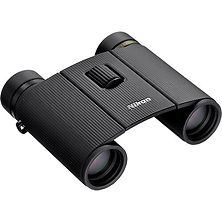
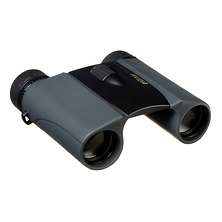
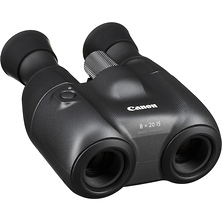
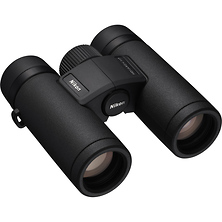
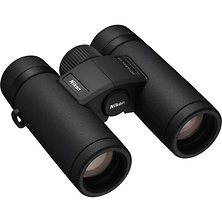
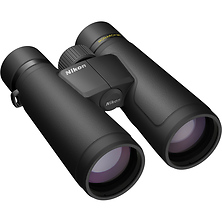
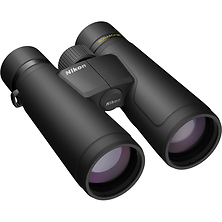
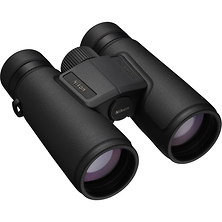
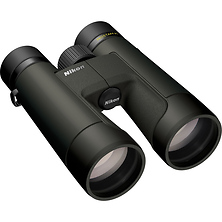
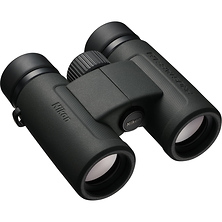
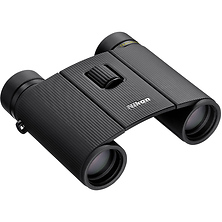


Binoculars for Birding, Wildlife, and Everyday Observation
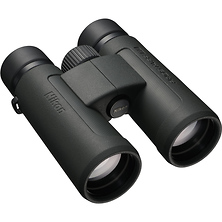
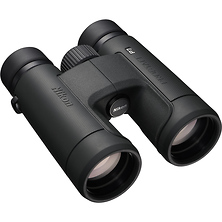
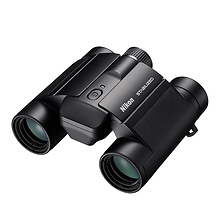
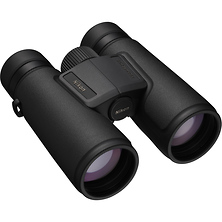
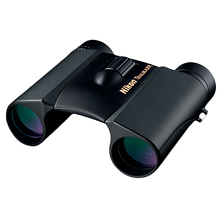
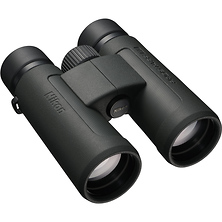
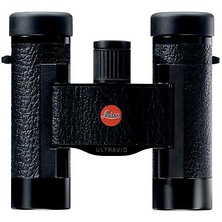
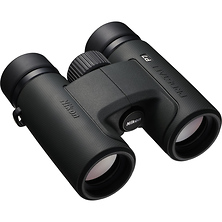
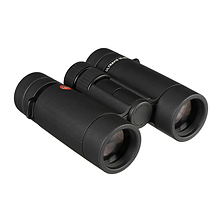
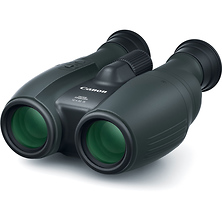
p: Binoculars bring distant subjects close enough to study in detail, whether you are tracking a woodpecker through the canopy or glassing a ridgeline at first light. Our optics selection covers compact models that slip into a jacket pocket, full-size models built for long field sessions, waterproof designs for wet weather, and image-stabilized models that hold the view steady at higher magnification. We carry optics and support gear from Nikon, Canon, Leica, Benro, and Vixen Optics.
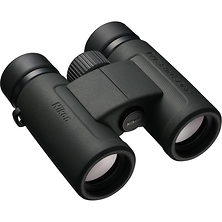
A camera captures a moment; a binocular lets you sit with a subject and watch behavior unfold. That shapes how they are built, from eyepieces comfortable over hours to smooth single-finger focus wheels. Compact models handle travel and events, while full-size models use larger objective lenses for steadier handling.
How Magnification and Objective Size Work Together
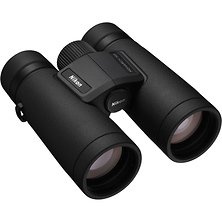
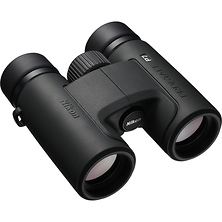
Every binocular carries a two-number designation such as 8x42 or 10x50. The first number is magnification, which Nikon describes as the relationship between a subject's real proportions and its magnified size. The second is the effective diameter of the objective lens in millimeters.
Those two numbers set the exit pupil, the bright disc of light the eyepiece delivers to your eye. Divide the objective diameter by the magnification: an 8x42 produces a 5.25mm exit pupil, and a 10x42 produces 4.2mm.
Spec terms worth knowing as you shop:
- Magnification: how many times closer the subject appears
- Objective diameter: the effective aperture of the front lens in millimeters
- Exit pupil: objective diameter divided by magnification
- Relative brightness: the exit pupil figure squared
- Eye relief: the distance between the eyepiece and the eyepoint where the exit pupil forms
- Real field of view: the viewing angle measured from the center of the objective lens
- Phase-correction coating: applied to roof prism surfaces to compensate for phase shifts as light reflects inside the prism
- Nitrogen filling: an airtight, nitrogen-purged body that keeps internal optics clear of fogging
Sealing and Optical Coatings
Waterproof binoculars rely on sealed joints and a body purged and filled with dry nitrogen. Nikon describes the result as an airtight structure that prevents the inside of the optical system from fogging and resists mold through significant changes in temperature. That matters on a cold morning when you step out of a warm vehicle.
Coatings do the quiet work. Multilayer coatings on air-to-glass surfaces reduce reflection so more of the light entering the objective reaches your eye. Roof prism models add phase-correction coating on the prism surfaces, which Nikon explains compensates for phase shifts of light reflecting inside the prisms, supporting resolution and contrast.
Image-Stabilized Binoculars
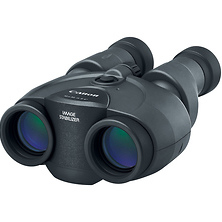
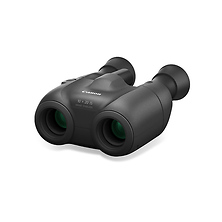
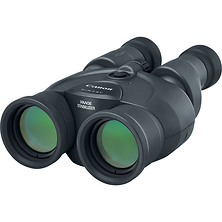
Hand movement scales with magnification. Push past moderate power and small tremors are magnified along with the subject. Image-stabilized binoculars apply active optical correction to settle the view while you hold them, so you can run more magnification handheld.
Accessories, Support, and Carrying
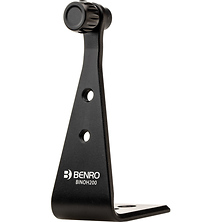
Long viewing sessions benefit from support. Binocular tripods and tripod adapters let you park the view on a fixed point so you can study detail without arm fatigue. A stable set of tripods and heads turns a long glassing session into a comfortable one, and Benro is one of the brands we carry for that role.
Cases, harnesses, and straps spread weight across your shoulders instead of hanging it from your neck, and our bags, cases, and straps selection covers optics and camera gear alike. Rain guards, objective covers, and cleaning cloths keep glass clear in the field. Our optics shelves carry Nikon, Canon, Leica, and Vixen Optics.
Who Uses Binoculars
Birders are the most demanding users in the category. They want close focus for hummingbirds working a nearby hedge, a wide real field of view to pick up movement, and eye relief that suits eyeglasses. Hunters and backcountry observers glass open country for hours and prioritize sealed, nitrogen-filled bodies.
Wildlife and nature photographers carry optics alongside their camera bodies, using binoculars to locate and identify a subject before committing to a long lens setup. Our wildlife photography buyer's guide covers the camera bodies and long lenses that go alongside them. Sports fans and travelers reach for compact models, marine users lean on waterproof designs, and astronomy observers use large-objective binoculars for wide-field views of star fields. Pairing optics with the right cameras and support gear makes the kit work together.
FAQs
What do the two numbers on a binocular mean?
The first number is magnification and the second is the effective diameter of the objective lens in millimeters. A binocular marked 8x42 magnifies eight times through a 42mm front lens. Higher magnification narrows the field of view and amplifies hand movement, so many all-day users settle on moderate power.
What is exit pupil, and why does it matter in low light?
The exit pupil is the bright disc of light the eyepiece delivers to your eye, and its diameter equals the objective diameter divided by the magnification. Nikon defines relative brightness as that figure squared. In daylight your pupil contracts and a small exit pupil is sufficient. At dawn, dusk, or under stars your pupil opens wider, so low-light observers look for a larger exit pupil.
Do I need waterproof binoculars?
It depends on where you use them. Sealed, nitrogen-filled bodies keep moisture and internal fogging out of the optical path, which is why they are standard for marine use, hunting, and birding in coastal or mountain conditions. For ballgames, concerts, and indoor venues, sealing is less of a factor.
Will binoculars work with eyeglasses?
Yes, when you match eye relief to the way you wear them. Eye relief is the distance between the eyepiece and the eyepoint where the exit pupil forms, and eyeglass wearers need enough of it to see the full field of view through their lenses. Most binoculars use twist-up or fold-down eyecups that let you bring your glasses closer.
When is a tripod worth using with binoculars?
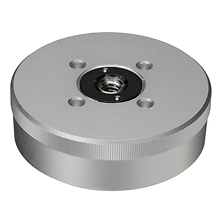
Binoculars benefit from support at higher magnifications, or any time you are studying one spot for an extended period. A binocular tripod adapter threads into the socket on the hinge of many full-size binoculars.
What is the difference between roof prism and Porro prism binoculars?
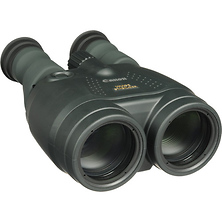
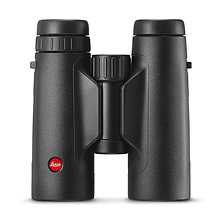
The two designs route light through the barrels differently. Roof prism binoculars place the objective lens and eyepiece in a straight line, producing the slim straight-barrel shape. Porro prism binoculars use an offset arrangement that steps the objectives outward from the eyepieces, producing a wider, stepped body. We stock both. Most of our Nikon and Leica binoculars are roof prism, and Canon's image-stabilized models use Porro.
Shop Binoculars at Samy's Camera
The right pair depends on how and where you plan to watch. We stock compact, standard, waterproof, and image-stabilized binoculars along with binocular tripods, adapters, and cases. Samy's Camera has served photographers since 1976, and our staff can walk you through magnification, eye relief, and sealing. Order online or visit one of our store locations to look through them in person.