





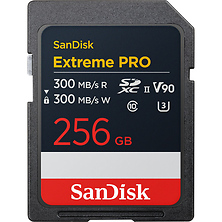

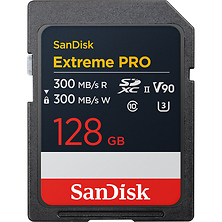

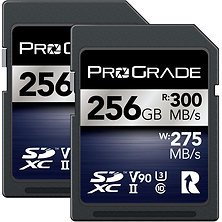
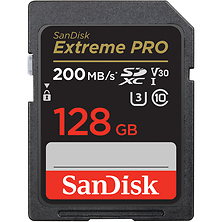
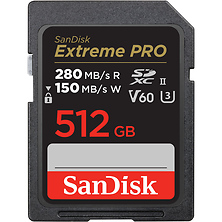

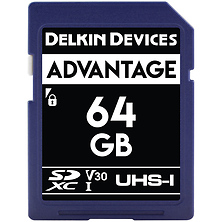
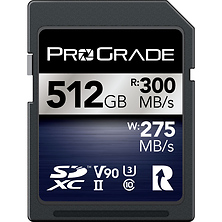
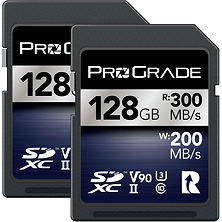
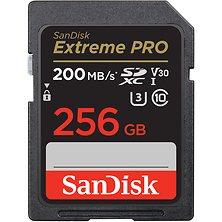
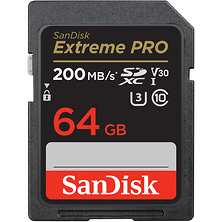
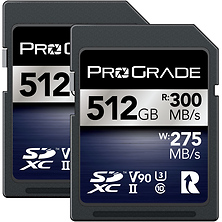

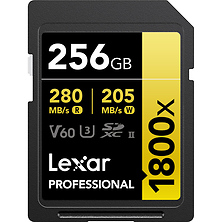
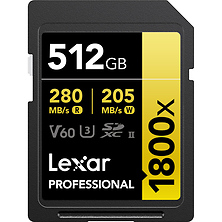
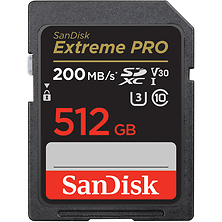
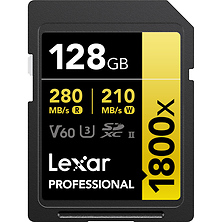
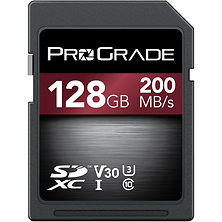
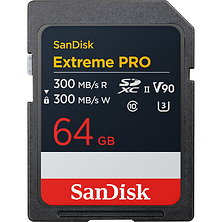
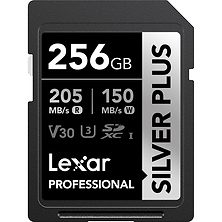
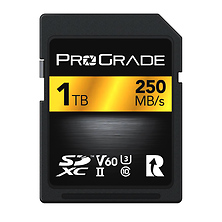
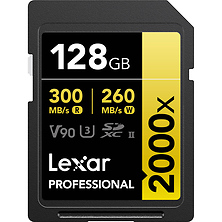

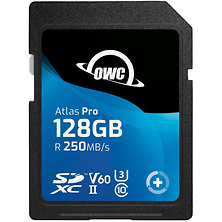
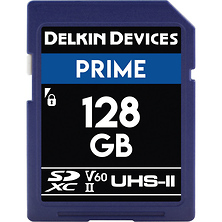
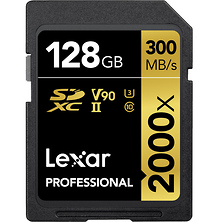
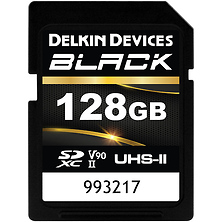
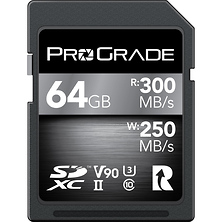
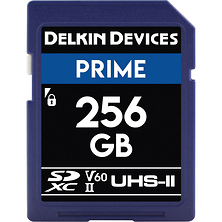
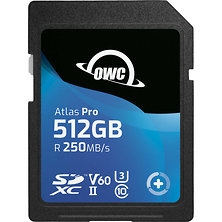
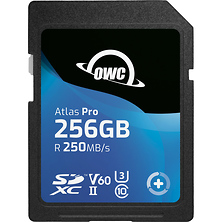
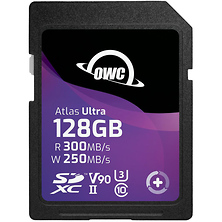
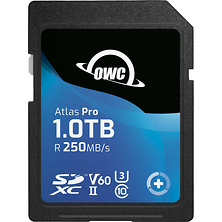
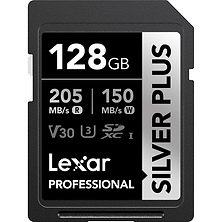
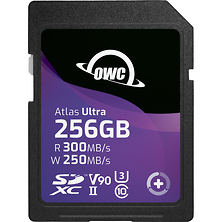
SD & SDHC Memory Cards for Digital Photography and Video
Secure Digital (SD) and SDHC memory cards remain essential for photographers and videographers who use compact cameras, action cams, drones, and older mirrorless systems. Whether you need card speeds for professional photography, 4K video recording, or reliable backup storage, SD cards offer proven compatibility, widespread device support, and capacity ranges from 4GB to 1TB. Samy's Camera carries trusted brands with speeds and specifications for every photography and video workflow.
Secure Digital (SD) cards have been industry standard for decades, and modern SDHC (High Capacity) variants deliver the speed and capacity required for contemporary digital cameras and camcorders. These cards work across countless devices beyond cameras, including portable recorders, action cameras, gimbals, and computers with SD card readers. Unlike newer memory card formats that target niche applications, SD cards remain widely compatible, making them practical for photographers working across multiple camera systems or those building equipment kits that interoperate seamlessly.
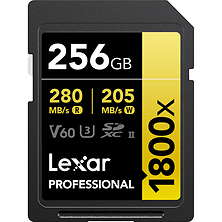
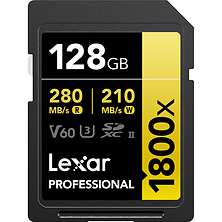
When selecting an SD or SDHC card, three factors determine whether it performs reliably for your work: read speed (how fast files transfer from card to computer), write speed (critical for continuous photography and video), and video speed class rating (ensures consistent performance during recording). Professional-grade cards rated V90 or V60 guarantee sustained write speeds needed for 4K and high-frame-rate video. For photography, cards rated V30 or higher provide sufficient speed for burst shooting and rapid file transfer.
Understanding SD Card Speeds and Ratings
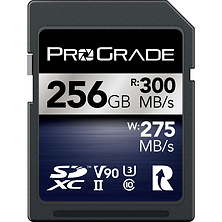
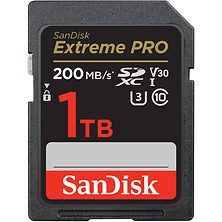
Modern SD and SDHC cards use standardized speed classifications that help you match cards to your camera's capabilities. The Video Speed Class rating (V30, V60, V90) indicates minimum sustained write speed in megabytes per second. A V30 card maintains at least 30 MB/s throughout recording, suitable for standard HD video. V60 cards guarantee 60 MB/s minimum, supporting 4K recording on most consumer cameras. V90 cards deliver 90 MB/s minimum write speed, required for professional 4K cinema recording and high-bitrate codecs.
Bus speed (how fast data moves between card and camera) is marked as UHS-II or UHS-III on professional cards. UHS-II cards reach theoretical maximum speeds of 312 MB/s, while UHS-III cards can achieve 625 MB/s. However, your camera must support the same UHS standard to achieve these speeds. Older cameras may only recognize UHS-I cards. Check your camera manual to confirm compatibility before purchasing higher-speed cards.
Application Performance Class (A1 or A2) indicates how the card performs during random read/write operations, relevant for loading applications and accessing small files. A2 cards are faster and preferred for devices running applications, though most photographers prioritize video speed class for their work.
- UHS-II cards with V90 rating for professional 4K video and RAW photography
- UHS-II cards with V60 rating for standard 4K recording and high-speed burst shooting
- V30-rated cards for Full HD video and continuous photography workflows
- Capacity selection: 64GB for professional work, 32GB for travel, 128GB+ for extended shoots without offloading
- Brand consistency: matching card brands across your kit reduces compatibility surprises
Choosing SD & SDHC Cards for Your Camera System
Your camera's specifications determine which SD cards will maximize performance. Check your camera manual for maximum write speed support and recommended card specifications. A professional full-frame digital mirrorless camera with high-speed continuous shooting modes benefits from V90 or V60 rated cards, while entry-level cameras may perform identically with V30 cards at a lower cost. Video cameras, particularly those recording 4K or high bitrate codecs, require cards rated for the specific recording format.
Capacity planning depends on your workflow. A 64GB card holds roughly 4,000 photos in RAW format from modern 24MP sensors, or 30 minutes of 4K video on most cameras. Professional workflows often use multiple smaller cards (32GB or 64GB) rather than single large cards, reducing data loss risk if a card fails. Content creators recording extended footage prefer 128GB or 256GB cards to minimize card swaps during long takes.
Video creators working with camcorders and cinema cameras should verify recording bitrates before selecting cards. A camera recording 4K at 100 Mbps requires a V90 card; recording the same resolution at 50 Mbps works reliably on V60 cards. Photography-focused workflows rarely need V90 cards unless shooting burst sequences at extremely high frame rates or capturing RAW files on professional bodies.
Who Uses SD & SDHC Memory Cards
Photographers with compact cameras, mirrorless bodies, and DSLRs rely on SD cards for the majority of their work. Travel photographers appreciate SD cards for their universal compatibility, allowing cards from one camera to work in borrowed backup bodies. Professional photographers often carry multiple cards to diversify risk and minimize downtime if a single card fails during a critical shoot.
Videographers working with camcorders, cinema cameras, and action cams depend on SD cards for recording interviews, run-and-gun footage, and backup recording. Content creators operating drones and gimbals use SD cards as the primary storage, and portable field recorders for documentary work utilize SD cards for audio and video capture. Educators recording classroom demonstrations and online courses use SD cards for reliable, long-duration recording.
Backup users leverage the low cost of SD cards for archival storage, storing completed projects and digital assets across multiple redundant cards. The widespread device compatibility means SD card readers are standard on computers, tablets, and mobile devices, simplifying file transfer and review across workflows.
Frequently Asked Questions
What's the difference between SD, SDHC, and SDXC cards?
Secure Digital (SD) cards support up to 2GB capacity and slower speeds, rarely used in modern cameras. SDHC (High Capacity) cards hold 4GB to 2TB and work in any camera supporting SDHC standard. SDXC extends the format further with optimized performance for UHS bus speeds. For practical purposes, modern cameras support SDHC and SDXC identically, so focusing on speed class and capacity matters more than the format designation.
Can I use any V90 card in my camera?
V90 cards work in any camera with an SD slot, but your camera must actually write at speeds requiring V90 performance to justify the cost. Budget cameras with slower write buses may write at V60 speeds or slower regardless of using a V90 card. Check your camera's specifications for maximum write speed; if it's rated for 90 MB/s, a V90 card maximizes that capability. Otherwise, a V60 or V30 card provides sufficient performance at lower cost.
How many photos can I store on a 64GB card?
A 64GB card holds approximately 4,000 RAW files from a 24-megapixel camera, or 8,000 to 16,000 JPEG files depending on compression and subject complexity. Video capacity varies by bitrate; 4K video at standard bitrates records roughly 30 to 45 minutes of continuous footage on a 64GB card. Calculate your specific needs by dividing card capacity (64,000 MB) by your camera's average file size or video bitrate.
Do I need a card reader, or can I use USB?
Many modern cameras support USB-C direct connection for file transfer, but a dedicated card reader transfers files faster and is gentler on your camera's battery. Readers are inexpensive and useful when working with multiple cards or backing up footage on location. USB direct connection is convenient for occasional transfers but not ideal for professional workflows with high file volumes.
What's the best way to format SD cards?
Always format cards in the camera that will use them, not on a computer. Formatting ensures compatibility with your specific camera model and removes any residual data from previous use. The camera's firmware optimizes the card's file structure for that specific model. If a card behaves unpredictably, reformatting in the camera often resolves issues. Note that formatting erases the card completely, so transfer important files first.
How long do SD cards last?
Quality SD and SDHC cards remain reliable for 10 to 20 years of normal use, with some cards rated for extended shelf life. However, data degradation can occur, making professional backup practices essential. Store master copies of important work on multiple redundant cards and external drives, especially for commercial projects or irreplaceable content. Treat memory cards as temporary storage devices rather than permanent archives.
Shop SD & SDHC Memory Cards at Samy's Camera
SD and SDHC memory cards offer proven reliability and universal compatibility for photographers and videographers. Whether you're capturing photos for studio and lighting setups, recording 4K video on location, or building a backup archive with protective camera bags, Samy's Camera carries cards rated for professional and consumer workflows. Our knowledgeable staff can help you match card speed and capacity to your specific equipment and shooting style. Browse our selection of SD and SDHC cards today, and trust Samy's Camera for fast shipping and expert support.