



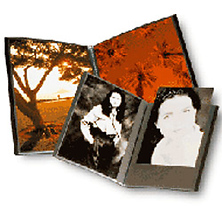
Archival Portfolios and Presentation Books for Photographers and Artists
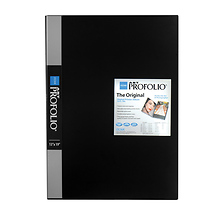
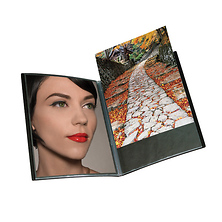
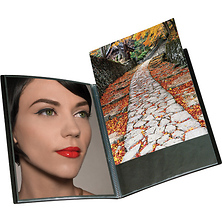
Portfolios and presentation books give finished photographs, prints, and artwork a safe home and a professional way to show them. A good presentation book holds your work flat, keeps it clean, and lets a client or reviewer turn pages without ever touching the print surface. We stock archival portfolios in sizes from small photo prints up to large art boards, with page counts for a short edit or a full body of work.
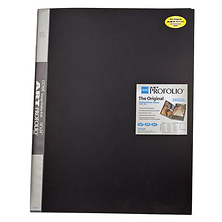
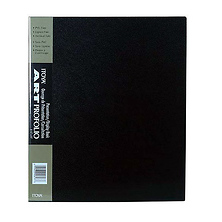
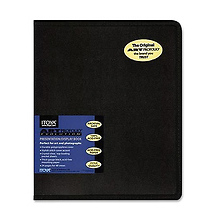
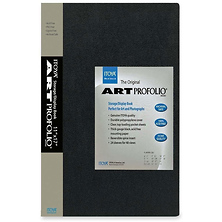
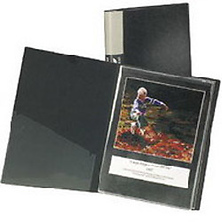
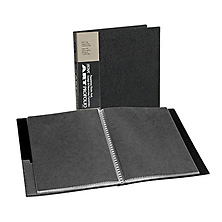
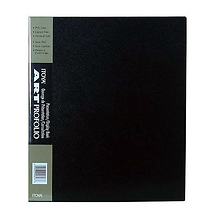
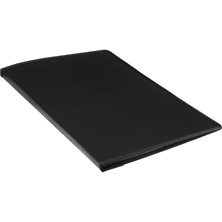
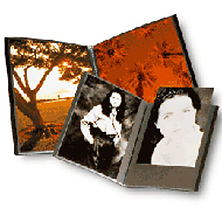
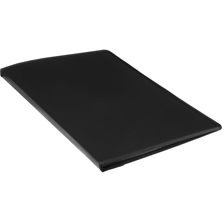
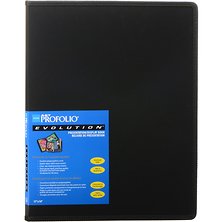
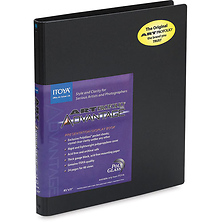
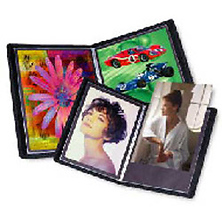
The portfolios on this page come from Itoya, a longtime maker of presentation and storage books for flat work. Each art profolio uses clear top-loading polypropylene pocket pages bound into a durable polypropylene cover. Prints slide in from the top and stay protected from fingerprints, dust, and handling wear. This page sits inside our wider Portfolios & Archival Storage selection, so you can pair a presentation book with sleeves, boxes, and binder pages.
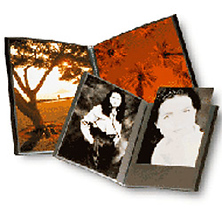
Presentation books do double duty. Closed, they are a storage system that keeps prints flat and away from light. Open, they are a portfolio you can hand across a table. That is why photographers, illustrators, and designers keep several sizes on a shelf and rotate work through them as projects finish.
What Archival Construction Actually Means
Archival comes down to what the pages are made of. Polypropylene pocket pages are chemically stable and acid-free, so they hold a print for decades without discoloring it or leaving residue on the emulsion. These books are PVC-free throughout, and the black mounting paper inserts between the pockets are acid-free as well, which matters because that insert rests against the back of your print for years.
The clear polypropylene also repels copier toner, so laser prints and photocopied layouts stay put instead of lifting onto the sleeve. The same material principles carry over to negative and slide storage if you shoot film cameras alongside digital.
- Clear top-loading polypropylene pocket pages
- 100 percent acid-free and archival safe materials
- PVC-free covers and pages
- Acid-free black mounting paper between pockets
- Toner repellent page surface for laser and photocopy output
- Reversible spine insert for titling and reorganizing
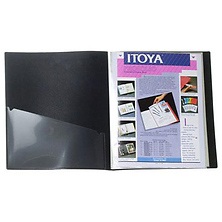
- Inner cover pocket for loose sheets and business cards
- Durable polypropylene covers with stitched and bound spines
Choosing a Size and Page Count
Start with the largest print you plan to show, then buy the book that fits it without trimming. Photo formats run from 5 x 7 prints through 17 x 22 sheets, and art formats cover 8.5 x 11 up through 18 x 24 boards.
Page count is the second decision. A common configuration carries 24 sleeves for 48 views, and the books here run from 6 pages for a short edit up to 36 pages when you want a deeper archive in one volume. A tight edit of ten to twenty images fills a small book cleanly, while the higher page counts suit a working print archive.
- Photo sizes from 5 x 7 through 17 x 22
- Art sizes from 8.5 x 11 through 18 x 24
- Pocket configurations from 6 pages up to 36 pages
Large format books need a plan for transport. An 18 x 24 portfolio travels safely inside one of our hard cases and large bags, which keeps the corners square and the cover flat in transit.
Zippered Envelopes and Loose Sheet Storage
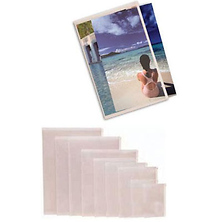
Not every project belongs in a bound book. Zippered archival envelopes hold loose prints, contact sheets, model releases, and reference material in the same acid-free polypropylene, and they stack in a drawer or slide into a portfolio case. Photographers who deliver physical prints often keep one envelope per job.
Who Uses Portfolios and Presentation Books
Working photographers use presentation books as the physical version of their website. A printed portfolio still closes jobs, because a client holds real paper and sees the color and detail as you approved it. Getting a print to match your screen comes down to a solid color management workflow.
Portrait and wedding photographers build sample books to show sitters what a finished session looks like, then refresh them as their style develops. Our portrait photography buyer's guide walks through the gear and print decisions behind that work.
Art students and fine art photographers carry presentation books to reviews, gallery meetings, and school applications, where a clean acid-free book signals that the work has been cared for. Architects and designers use the same books for board presentations, and hobbyists reach for them to keep family prints safe without building out an archive room.
Frequently Asked Questions
Will polypropylene pocket pages hold up against my prints over time?
Polypropylene is chemically inert and acid-free, one of the accepted materials for long term print storage, and PVC-free construction keeps the page stable where it touches the print. Storing the closed book flat, away from direct sunlight and humidity swings, gives your prints the longest life.
How do I know which portfolio size to buy?
Measure the largest finished print you intend to show and choose the book that accepts it whole. If your work sits between two sizes, going up leaves a margin of clear page around the print, which reads as intentional matting. Photographers who print a mix of formats often keep two sizes on hand.
Can I rearrange or refill the pages?
Bound presentation books hold a fixed number of pockets, so you re-sequence work by moving prints between pockets rather than moving pages. The reversible spine insert lets you retitle a book when its contents change. For a portfolio you plan to reorganize page by page, look at the screwpost and multi ring options in our archival storage binders section.
What separates a presentation book from an archival storage sleeve?
A presentation book is built to be handled and shown, with a cover, a spine, and pages sequenced for viewing. Archival sleeves and envelopes are built for storage density, holding prints flat inside a box or a drawer. Most photographers use both, showing an edited set in a book while the archive lives in sleeves.
Are these books suitable for storing film and negatives?
The pocket pages here are sized for prints and flat artwork. For film, slides, and negatives, use the dedicated archival film and print sleeves, which hold strips at the correct spacing for contact printing and scanning.
Do presentation books work for landscape and panoramic prints?
Yes. A wide print sits comfortably in a larger book turned to a landscape orientation, and the bigger art sizes handle panoramic crops on standard sheets. Our landscape photography buyer's guide covers the shooting side of that work.
Shop Portfolios & Presentation Books at Samy's Camera
A portfolio is the last step in a long process, and it deserves the attention you gave the exposure and the print. We have been helping photographers present their work since 1976, and our staff can talk through book sizes and page counts. Browse the selection here, or bring your prints into one of our store locations and we will size a portfolio with you in person.