














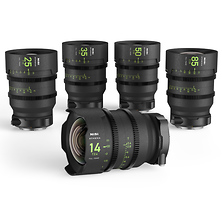

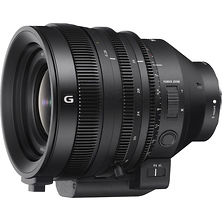

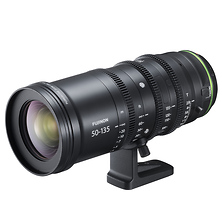
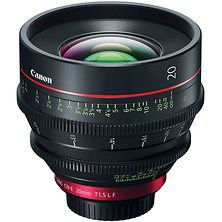
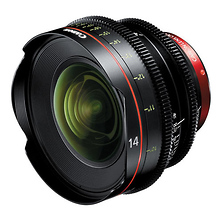
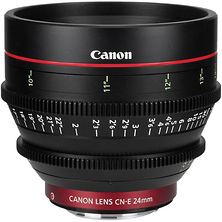
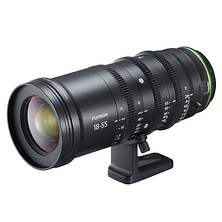
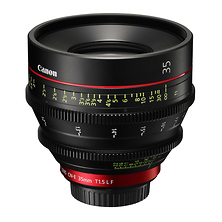
What Are Cinema Lenses and How Are They Different?
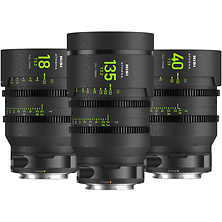
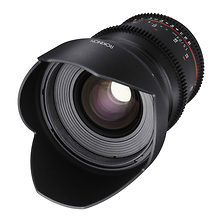
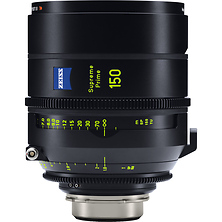
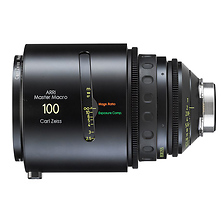
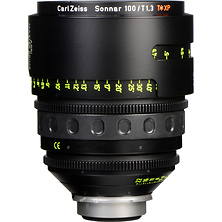
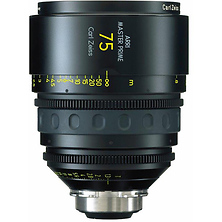
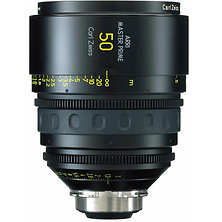
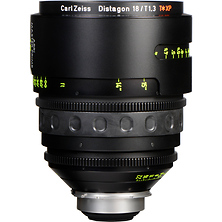
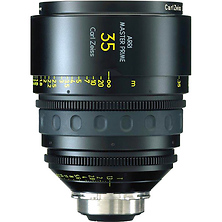
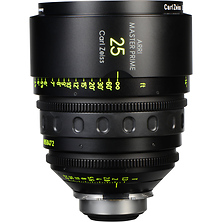
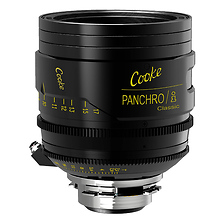
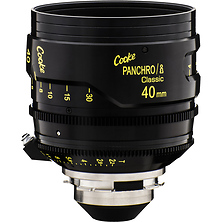
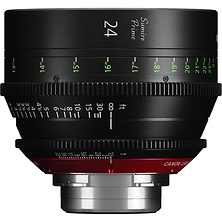
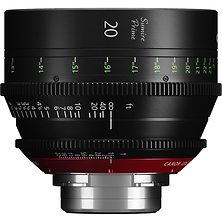
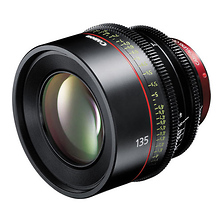
Cinema lenses are optical systems engineered specifically for motion picture production. While a photo lens optimizes for still-image sharpness and autofocus speed, cinema lenses emphasize consistent image quality across the focal plane, smooth manual focus control with extended throw distances, and predictable optical characteristics across focal length ranges.
The core difference lies in mechanical design. Cinema lenses use internal focus mechanisms, so the front element doesn't rotate during focus adjustments. This design is essential for matte box filters and focus pulling during live-action shots. Cinema lenses minimize breathing, meaning the subject doesn't appear to shift when you adjust focus. This stability is critical for professional production where composition must remain consistent across multiple takes.
Cinema lenses also feature standardized front diameters, robust mechanical construction, and integration with professional equipment like matte boxes, follow focus systems, and lens support rigs.
Understanding Cinema Lens Mount Systems
Cinema lenses mount to cameras using several standardized systems, each established in specific production contexts.
PL Mount (Panavision Lock)
PL mount represents the industry standard for cinema production cameras. This bayonet design with a quick-lock mechanism allows fast lens changes on set. PL mount dominates narrative filmmaking, large-scale commercial production, and broadcast-quality digital cinema cameras. The system's standardization means PL-mount lenses work across equipment from different manufacturers, giving production professionals maximum flexibility when assembling camera packages.
EF Mount
Canon's EF mount, originally designed for DSLR and mirrorless photography cameras, became a practical option for cinema work through PL mount adapters. Some cinema-specific lenses use EF mount natively, bridging the gap between photography and cinema optics. This approach lets independent filmmakers and smaller productions leverage cinema-level optical characteristics.
RF Mount
Canon's RF mount appears on cinema cameras like the Cinema EOS line. RF mount enables native integration between Canon cinema cameras and modern lens designs without adapter thickness, improving optical performance and reducing focus breathing.
Sony E-Mount and L-Mount
Sony's E-mount has evolved to support cinema production through both native cinema lenses and PL adapters. The optical diversity in E-mount has made it attractive to independent filmmakers using Sony cinema bodies. L-Mount, developed by Leica, Panasonic, and Sigma, represents an alternative cinema-capable system with growing lens support.
Prime vs. Zoom Cinema Lenses
Prime Cinema Lenses
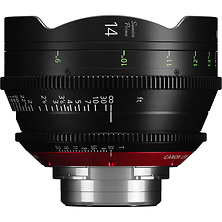
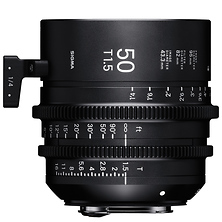
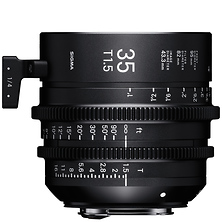
Fixed focal length cinema lenses, or primes, deliver maximum optical quality and light transmission in compact form. A cinema prime produces edge-to-edge sharpness, minimal distortion, and predictable optical characteristics that simplify color matching across multiple lenses in multi-camera productions. Prime lenses typically offer wider maximum apertures, enabling handheld shooting in dim interiors and precise depth-of-field control for narrative work.
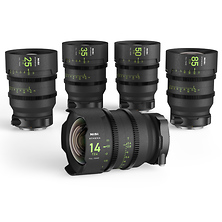
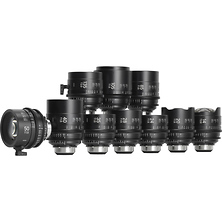
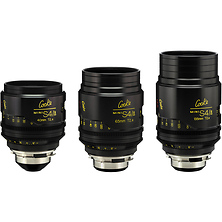
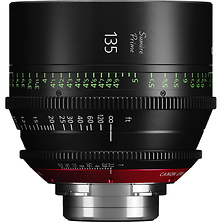
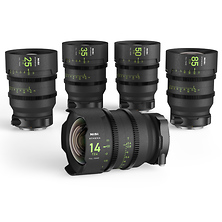
Primes require lens changes during production, but that discipline encourages intentional shot planning and consistent framing. Many narrative productions rely exclusively on prime lens sets. A standard cinema prime kit might include 14mm, 24mm, 35mm, 50mm, 85mm, and 135mm focal lengths, covering everything from establishing wide shots to intimate close-ups.
Zoom Cinema Lenses
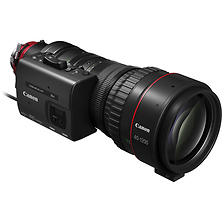
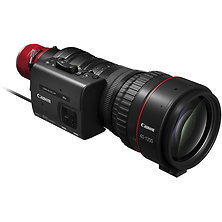
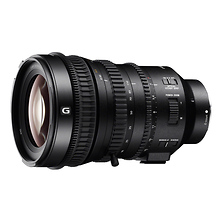
Variable focal length cinema lenses offer flexibility during production, reducing the number of physical lenses required and cutting down setup time. Zoom lenses simplify documentary and news production where scenes change rapidly. Modern cinema zooms maintain the optical standards of prime lenses, delivering edge-to-edge sharpness, consistent focus breathing, and wide apertures while delivering range.
The trade-off is typically weight and bulk. However, for run-and-gun documentary work, commercial shoots with tight timelines, or hybrid productions where equipment must remain portable, zoom lenses simplify logistics and accelerate shot capture.
Broadcast and Live Event Production
Broadcast news, live events, and real-time streaming benefit from cinema lenses mounted on professional broadcast cameras. The robust construction and rapid lens changes support fast-paced environments. The consistent color science and T-stop standardization simplify multi-camera production where feed consistency matters.
Cinema Lenses Frequently Asked Questions
How do cinema lenses differ from photography lenses?
Cinema lenses prioritize manual focus with extended throw distances and internal focus design where the front element doesn't rotate, essential for matte box filters and focus pulling. Photography lenses emphasize autofocus, rapid aperture response, and compact design. Cinema lenses minimize focus breathing, meaning the subject doesn't appear to shift when refocusing; photography lenses often exhibit significant breathing. For professional production with focus pullers and matte boxes, cinema lenses are purpose-built tools.
What T-stop should I choose for my production?
T/1.3 transmits approximately one stop more light than T/1.8. In practical terms, T/1.3 supports handheld shooting in dim interiors without additional lighting; T/1.8 requires either additional light or reduced shutter angle. For narrative work emphasizing shallow depth-of-field isolation, T/1.3 offers creative control that T/1.8 provides. For daylight and well-lit environments, T/1.8 and narrower apertures suffice while reducing cost.
Why does focus throw matter for cinema lenses?
Focus throw, the physical rotation from close focus to infinity, determines how precisely a focus puller can make micro-adjustments during live action. A 200-degree throw allows smooth and gradual focus shifts; less throw requires more precise hand control and risks sudden focus transitions. For handheld or gimbal work where the operator adjusts focus, extended throw reduces accidental overshoot. Standard cinema lenses offer 200 or more degrees.
What are anamorphic cinema lenses?
Anamorphic lenses compress image width, producing characteristic wide, cinematic framing and distinctive lens flare. Standard spherical cinema lenses produce conventional framing. Anamorphic lenses require compatible camera sensors and anamorphic-aware focus marks. The optical signature, including elongated bokeh and color shift, defines anamorphic cinematography's distinctive look. It's a creative choice, not a requirement.
Shop Cinema Lenses at Samy's Camera
Cinema lenses represent significant investment in production capability, whether you're assembling a complete kit or expanding existing glass. Digital cinema cameras demand compatible optics; video and audio accessories like matte boxes and follow focus systems integrate with standardized cinema lens front diameters. Samy's Camera provides access to professional cinema lenses from leading manufacturers including Canon, Panasonic, and Sony, plus expert consultation on kit assembly and support for your complete production workflow.
Whether you're in pre-production planning, location scouting, or actively shooting, our team helps connect you with the right optical tools for your creative vision. Ready to invest in professional cinema glass or rent lenses for your next production? Browse our cinema lenses section or contact Samy's Camera for kit recommendations tailored to your production type, budget, and creative requirements. Visit a Samy's Camera location or order online for fast delivery and expert support.