










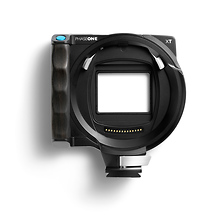
Digital Medium Format Cameras for Professional Image Quality
Digital medium format cameras deliver resolution, dynamic range, and tonal depth that full-frame systems cannot match. Built around sensors measuring 43.8 x 32.9mm or larger, these cameras capture files with exceptional detail for large-format printing, commercial work, and archival documentation. Whether you photograph portraits, landscapes, architecture, or products, medium format provides the image quality that demanding projects require.
The larger sensor area translates directly into tangible advantages. More surface area means larger individual pixels or higher pixel counts without sacrificing per-pixel performance. This results in better color gradation, smoother tonal transitions, and cleaner high-ISO performance compared to smaller sensor formats. For photographers who prioritize image quality above all else, medium format remains the professional standard.
Key Features of Digital Medium Format Cameras
Medium format systems share characteristics that set them apart from full-frame and APS-C cameras. The sensor dimensions alone provide a different rendering quality, particularly in how backgrounds separate from subjects and how fine detail resolves across the frame.
- Sensor sizes from 43.8 x 32.9mm to 53.7 x 40.4mm (1.7x larger than full-frame)
- Resolution options ranging from 50MP to 150MP
- 16-bit RAW files for maximum post-processing flexibility
- Expanded dynamic range for highlight and shadow recovery
- Shallow depth of field with distinctive subject separation
- Larger pixels for improved high-ISO performance at equivalent resolutions
- Phase detection and contrast detection autofocus systems
- In-body image stabilization on select models
Medium Format Sensor Sizes Explained
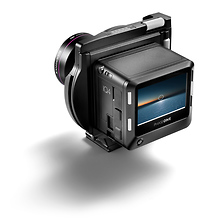
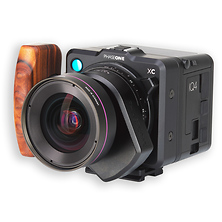
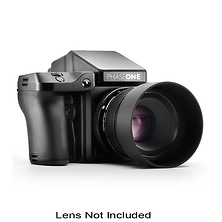
Digital medium format encompasses multiple sensor dimensions. The largest sensors, measuring approximately 53.7 x 40.4mm, correspond to traditional 645 film dimensions and appear in high-end digital backs from Phase One. These full-frame medium format sensors deliver resolutions up to 150MP.
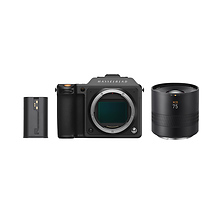
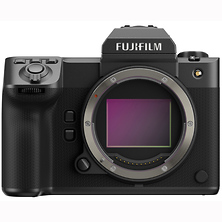
The more common 43.8 x 32.9mm sensor size, used by Fujifilm GFX and Hasselblad X-system cameras, provides approximately 1.7 times the surface area of a 35mm full-frame sensor. This size balances the image quality benefits of medium format with more portable body designs and lens systems.
Resolution and File Quality
Medium format cameras produce files with extraordinary detail. Current models offer resolutions from 50MP to 150MP, with 100MP becoming increasingly common in professional workflows. These high pixel counts serve specific purposes beyond simple megapixel marketing.
Commercial photographers cropping for different aspect ratios or delivery formats retain full resolution in their final images. Landscape photographers print at large dimensions without visible pixel degradation. Fashion and product photographers capture texture and material detail that smaller sensors struggle to resolve. The 16-bit color depth in medium format RAW files preserves tonal information through aggressive post-processing, maintaining smooth gradations in skin tones, skies, and subtle color transitions.
Who Uses Digital Medium Format Cameras
Portrait and beauty photographers choose medium format for the combination of resolution and rendering characteristics. The shallow depth of field at equivalent apertures creates distinctive background separation, while high resolution captures skin texture and eye detail with precision.
Landscape and architectural photographers benefit from the expanded dynamic range when capturing scenes with bright skies and deep shadows. The ability to recover highlight and shadow detail in post-processing exceeds what smaller sensors provide. Fine art photographers and galleries often require medium format files for archival prints that maintain quality at exhibition dimensions.
Commercial and advertising photographers working on high-end campaigns use medium format when image quality directly impacts the final product. Automotive, jewelry, fashion, and luxury goods photography frequently demand medium format resolution and color accuracy. Museum and archival documentation projects rely on medium format for preserving detail in artwork and artifacts.
Brands and Systems Available
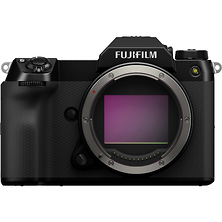
Three primary manufacturers produce digital medium format cameras for professional use. Fujifilm's GFX system offers mirrorless bodies in compact designs with resolutions from 50MP to 102MP, along with a growing selection of native lenses. The GFX series has brought medium format pricing within reach of serious enthusiasts while maintaining professional-grade image quality.
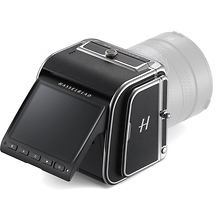
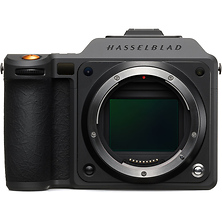
Hasselblad's X-system provides 50MP and 100MP mirrorless options with Swedish engineering heritage and distinctive color science. Their 907X system pairs modular digital mirrorless components with classic V-system lens compatibility. Phase One delivers the highest resolution options, up to 150MP, in digital backs and integrated camera systems built for commercial studio environments.
Video Capabilities
Modern medium format cameras have expanded beyond still photography. Select Fujifilm GFX cameras capture 8K video using the full sensor width, while Hasselblad and other systems offer 4K recording options. The large sensor provides cinematic depth of field and low-light performance for filmmakers working on commercial productions, documentaries, and music videos where image quality distinguishes the final product.
Lenses for Medium Format Systems
Each medium format system uses dedicated lenses designed for the larger image circle these sensors require. Fujifilm's GF mount includes primes and zooms from 23mm to 500mm equivalent focal lengths. Hasselblad's XCD and HC/HCD systems offer professional-grade optics matched to their sensor performance. Phase One provides lens options for both field and studio applications.
The larger image circle of medium format lenses contributes to their distinctive rendering. Edge sharpness, bokeh characteristics, and overall optical performance reflect the engineering required for these larger sensors.
Frequently Asked Questions
What is the difference between medium format and full-frame sensors?
Medium format sensors measure 43.8 x 32.9mm or larger, compared to 36 x 24mm for full-frame. This 1.7x or greater size difference translates to higher resolution potential, better dynamic range, larger pixels at equivalent megapixel counts, and distinctive depth of field rendering.
Do I need medium format for professional photography?
Medium format serves specific professional needs rather than replacing full-frame for all applications. Photographers requiring maximum resolution, expanded dynamic range, or distinctive rendering characteristics benefit from medium format. Sports, wildlife, and event photographers typically find full-frame systems offer the speed and lens selection their work demands.
How does medium format autofocus compare to full-frame?
Early digital medium format cameras prioritized image quality over autofocus speed. Current systems from Fujifilm and Hasselblad include phase detection autofocus, subject tracking, and eye detection comparable to professional full-frame cameras. Studio and controlled shooting scenarios where medium format excels rarely demand the fastest autofocus performance.
What file sizes should I expect from medium format cameras?
RAW files from 50MP medium format cameras typically range from 60-80MB. 100MP cameras produce files of 120-150MB or larger depending on compression settings. Storage, computer processing power, and backup systems should account for these file sizes when building a medium format workflow.
Shop Digital Medium Format Cameras at Samy's Camera
Digital medium format cameras represent the highest image quality available in interchangeable lens systems. Whether you photograph portraits, landscapes, commercial products, or fine art, medium format delivers resolution and tonal quality that distinguish professional work. Samy's Camera offers fast shipping, expert consultation, and a selection of medium format bodies, lenses, and camera accessories to support your imaging needs.