















Cable Releases for Precision Control
Cable releases and wireless remotes are essential tools for photographers who want to trigger their shutter without touching the camera body. Whether you're shooting macro work, telephoto subjects, long exposures, or time-lapse sequences, these accessories help minimize vibration and camera shake that can blur your images. At Samy's Camera, we carry both wired and wireless options from major manufacturers, ensuring you have the right solution for your shooting style and camera system.
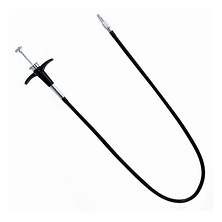
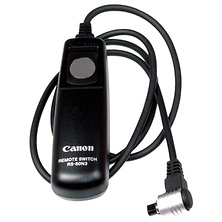
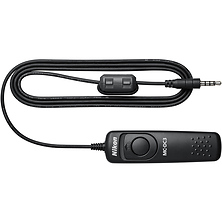
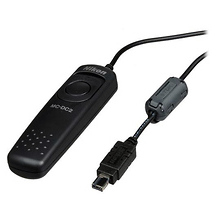
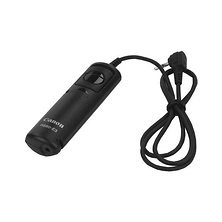
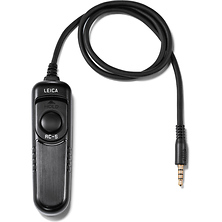
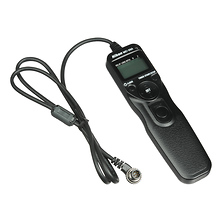
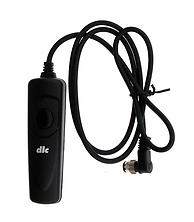
Wired shutter releases provide a direct, reliable connection between your hand and the camera's shutter mechanism. They're ideal for situations where you need absolute certainty that your shutter will fire exactly when you intend. Professional photographers often prefer cable releases for tripod-mounted work because they eliminate the vibration that can occur even with a gentle finger press on the camera body.
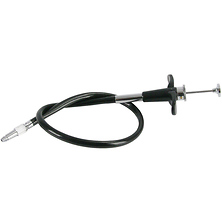
Cable releases work across different camera systems and focal lengths. If you're photographing with a super telephoto lens, even the slightest camera movement during shutter activation can shift your composition. A quality cable release ensures precision, especially during macro photography where focus tolerance is extremely tight. They also serve photographers who prefer manual shutter operation during bulb mode exposures for fireworks, lightning, or night sky photography.
When to Use Cable Releases
- Macro photography where vibration tolerance is minimal
- Telephoto work requiring absolute sharpness
- Bulb mode exposures lasting several seconds or minutes
- Tripod-based studio work where you need consistent results
- Night photography and astrophotography requiring long shutter times
Wireless Remote Triggers for Freedom and Convenience
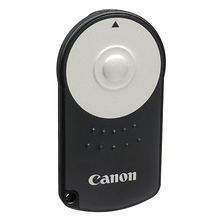
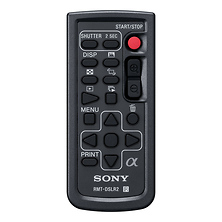
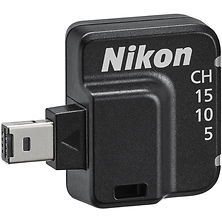
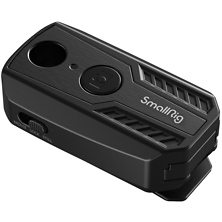
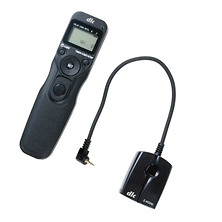
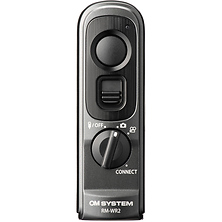
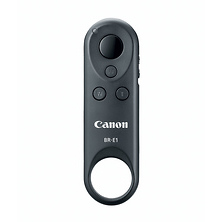
Wireless remotes offer photographers the ability to fire their shutter from a distance, giving you flexibility that wired releases cannot provide. Rather than being tethered to your camera, you can trigger the shutter from across the room, outside the frame, or from behind your subject for unique perspectives. This freedom makes wireless remotes particularly valuable for wildlife photography, self-portraits, and group photography where you want to be present in the scene.
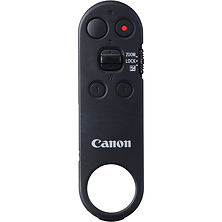
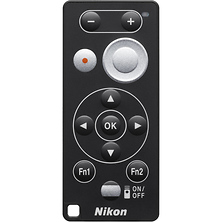
Modern wireless remotes from Canon, Nikon, and Sony come in several types. Infrared models require direct line of sight between the transmitter and camera, making them ideal for studio settings. Bluetooth-enabled remotes work with compatible mirrorless and recent DSLR models, offering greater range and the ability to trigger through obstacles. Radio frequency remotes provide the longest range and most reliable operation in challenging environments.
Remote Trigger Applications
- Wildlife and nature photography from a safe distance
- Self-portraits and group photos with the photographer included
- Time-lapse sequences requiring consistent intervals
- Flash synchronization with minimal vibration
- Video recording initiation without touching the camera
Cable Release vs. Wireless Remote: Key Differences
Both cable releases and wireless remotes minimize camera vibration, but they serve different needs. Cable releases offer simplicity, durability, and compatibility across camera generations. They never require batteries, always work when you need them, and cost significantly less than wireless options. However, you remain physically connected to your camera.
Wireless remotes provide creative freedom and distance flexibility. They work seamlessly with time-lapse photography and allow you to position yourself where you need to be for composition and safety. The trade-off involves battery dependency and potential interference in RF-heavy environments.
Featured Brands and Options
Samy's Camera stocks remote solutions from Leica, Profoto, SmallRig, Dot Line, Promaster, OM System, and Phototools alongside the major manufacturers. Whether you need a basic cable release for occasional tripod work or an advanced wireless trigger system for professional production, our inventory covers entry-level to professional-grade options. Each brand brings specific compatibility requirements and feature sets tailored to different camera systems and user preferences.
Wired Solutions from Major Brands
Canon cable releases integrate seamlessly with EOS DSLR and mirrorless bodies. Nikon provides options for both film SLRs and digital bodies across the D series and Z series mirrorless lineup. Sony cable releases work with E-mount cameras. Leica solutions are engineered for rangefinder and SLR compatibility.
Wireless Systems at Samy's
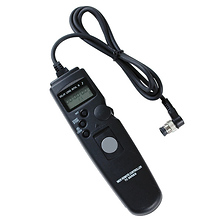
Wireless remote systems range from basic infrared triggers suitable for studio flash work to sophisticated radio frequency remotes used in professional film, television, and commercial production. Time-lapse enthusiasts benefit from remotes with programmable interval timing, allowing you to create smooth frame-by-frame sequences without manual intervention. Drone photographers and videographers use specialized remotes designed for flight stabilization and gimbal control alongside camera shutter triggering.
Using Cable Releases and Remotes Effectively
Cable Release Techniques
When working with a wired shutter release, position your hand away from the camera body to avoid transferring additional vibration. Rest the cable on a stable surface or hold it loosely so tension doesn't transfer to the camera. This is particularly important in macro photography where even slight movement affects focus precision. Allow several seconds after pressing the shutter before making your next move, giving camera vibration time to settle before your sensor captures the image.
Wireless Remote Success
With wireless remotes, ensure you have fresh batteries and understand your camera's remote compatibility mode. Some cameras require you to enable a wireless remote receive function in the menu before the shutter will respond. Position yourself at an angle where body movement won't affect composition. For time-lapse work, lock down all camera controls and lock the tripod legs to prevent accidental shifts during the interval sequence.
Pairing Remotes with Camera Accessories
Cable releases and wireless remotes work best when used alongside quality tripods that can support your camera and lens combination without drift. Pair these shutter release solutions with camera bags designed to protect your remote equipment during transport. Professional camera accessories like ball heads and precision panning devices enhance the stability benefits that remotes provide.
Frequently Asked Questions
What is the difference between a cable release and a remote shutter trigger?
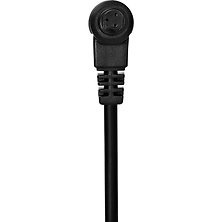
A cable release is a physical cord that connects to your camera's shutter release socket, transmitting mechanical force when you press the button. A remote shutter trigger uses wireless technology like infrared, Bluetooth, or radio frequency to signal your camera to fire without any physical connection. Cable releases require a direct line from your hand to the camera, while wireless remotes work from any distance within their range, provided your camera system is compatible.
Do cable releases and wireless remotes work with all cameras?
No. Cable releases require a compatible shutter socket on your camera body, which is increasingly rare on modern mirrorless systems. Some modern cameras have discontinued mechanical shutter sockets entirely, relying instead on electronic wireless triggering through Bluetooth or proprietary apps. Wireless remotes require your camera to have wireless receiver capability, which varies by manufacturer and model year. Always verify compatibility with your specific camera before purchasing.
Can I use a cable release during video recording?
Many cable releases can initiate video recording on compatible cameras, but response time and functionality vary. Some cameras require a dedicated video remote for frame-accurate triggering during professional video work. Check your camera's specifications and the cable release product documentation to confirm video compatibility.
What battery life should I expect from a wireless remote?
Battery life depends on usage frequency, remote type, and battery quality. Infrared remotes typically use standard AAA batteries and can operate for months with regular use. Bluetooth remotes that connect to mirrorless cameras often provide longer battery life due to efficient low-energy protocols, sometimes lasting a year or more on a single charge. Radio frequency professional remotes vary widely based on transmission power and frequency, but quality units typically operate reliably for several years before battery replacement.
Are cable releases more reliable than wireless remotes?
In terms of immediate response and compatibility, cable releases excel. They don't require batteries, don't fail due to interference, and work consistently across camera generations that support mechanical shutter sockets. Wireless remotes introduce variables like battery condition and signal range, but modern wireless systems from major manufacturers are highly reliable within their intended use cases. Professional productions using wireless remotes maintain backup options because production continuity is critical.
How do I prevent cable release tangling and damage?
Store cable releases loosely coiled in a dedicated pouch or small camera bag compartment rather than tightly wrapped around other gear. Avoid wrapping the cable around sharp objects or storing it in pockets where it might get pinched during transport. Check the cable periodically for kinks or cracks in the outer jacket. A well-maintained cable release can function reliably for decades, making proper storage an investment in durability.
Choose Your Release Solution at Samy's Camera
Whether you prefer the timeless reliability of a wired cable release or the modern convenience of a wireless remote trigger, Samy's Camera stocks solutions for every camera system and shooting style. Our selection covers the full range from basic mechanical cable releases to sophisticated programmable wireless systems used by professionals. Visit us in one of our store locations or browse our full selection online to find the right release solution for your next shoot.