








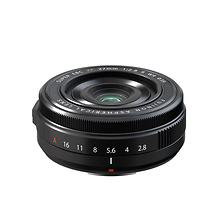

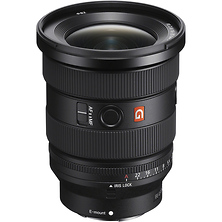
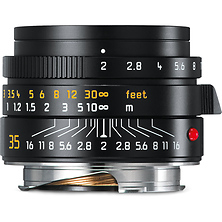

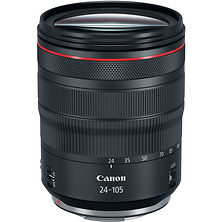

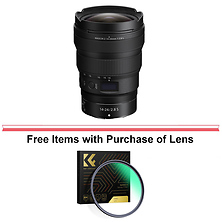

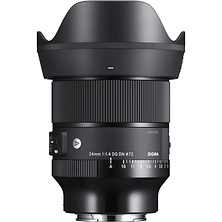
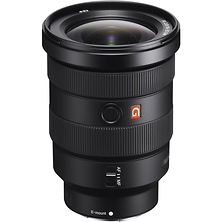
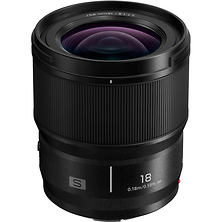
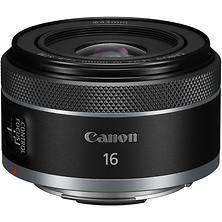
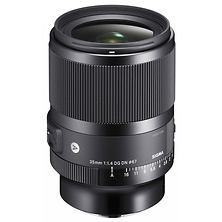

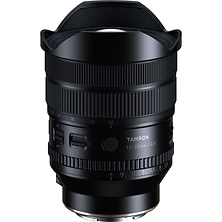
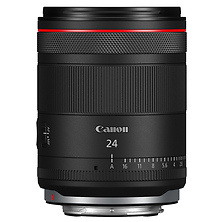
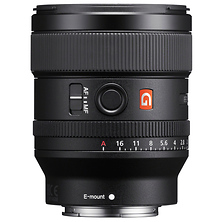
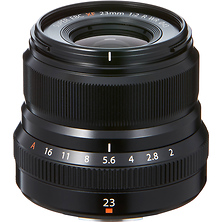
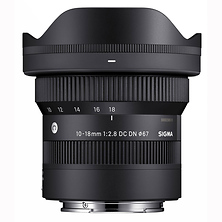
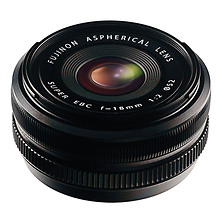
Wide-Angle Lenses for Expansive, Immersive Photography
Wide-angle lenses capture more of the scene than standard focal lengths, making them beneficial for landscape photography, architectural documentation, interior real estate work, and environmental portraiture. With focal lengths typically ranging from 14mm to 35mm on full-frame cameras, these lenses provide a wider field of view that draws viewers into the image and creates a sense of depth and scale that standard focal lengths struggle to achieve.
Whether you shoot sweeping mountain vistas, cramped interior spaces, night skies, or dynamic street scenes, a quality wide-angle lens expands your creative possibilities. Samy's Camera carries wide-angle primes and zooms from leading manufacturers including Canon, Sony, Nikon, Fujifilm, Sigma, and Tamron.
Types of Wide-Angle Lenses
Wide-angle lenses fall into several categories based on focal length, design, and intended use. Understanding these distinctions helps you choose the right lens for your shooting style and camera system.
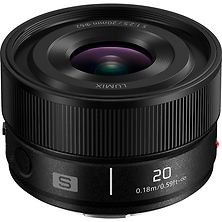
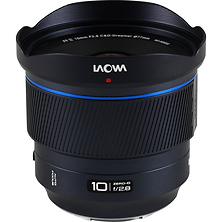
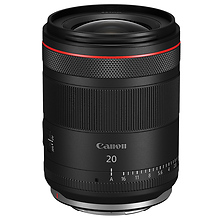
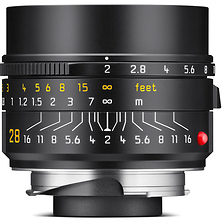
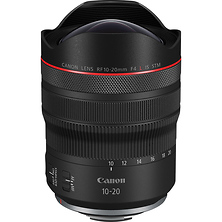
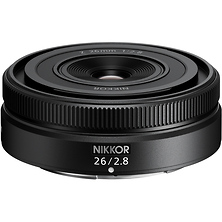
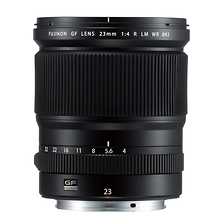
- Ultra-Wide Primes (10mm-20mm): These lenses offer the widest fields of view, capturing expansive scenes with dramatic perspective. Ideal for astrophotography, interiors, and dramatic landscape compositions where you want to emphasize foreground elements against distant backgrounds.
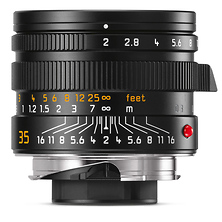
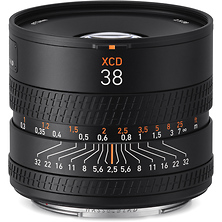
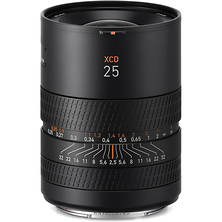
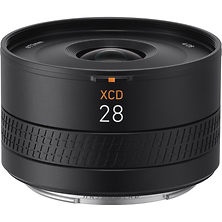
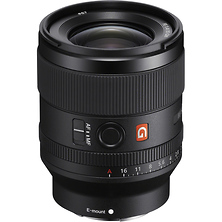
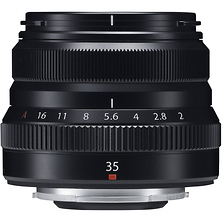
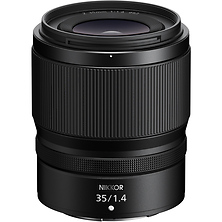
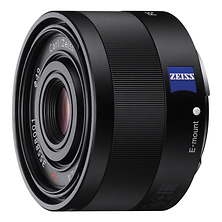
- Wide-Angle Primes (21mm-35mm): Classic focal lengths for street photography, environmental portraits, and documentary work. These lenses provide a natural wide perspective with less extreme distortion than ultra-wide options, making them versatile everyday choices.
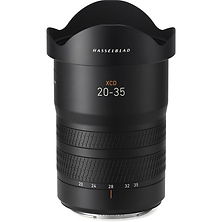
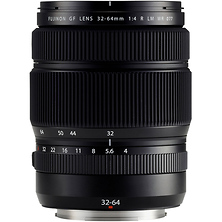
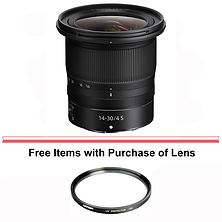
- Wide-Angle Zooms (14-24mm, 16-35mm, 17-40mm): Zoom lenses covering wide-angle ranges offer flexibility to adjust framing without changing position. Professional f/2.8 versions maintain constant aperture throughout the zoom range, while variable aperture options provide a lighter, more affordable alternative.
- Rectilinear Wide-Angles: Most wide-angle lenses use rectilinear designs that aim to keep straight lines straight, correcting much of the barrel distortion that naturally occurs at short focal lengths. This makes them suitable for architecture and real estate photography where accurate geometry matters.
- Fisheye Lenses (8mm-15mm): Unlike rectilinear designs, fisheye lenses embrace extreme barrel distortion for creative effect. Circular fisheyes capture a 180-degree field of view surrounded by dark edges within the frame, while full-frame fisheyes fill the entire sensor with a near 180-degree field of view.
Key Features of Wide-Angle Lenses
When selecting a wide-angle lens, several specifications affect image quality, handling, and creative potential. Consider how each feature supports your shooting requirements.
- Maximum Aperture: Fast apertures (f/1.4, f/1.8, f/2.8), are useful in low-light shooting, capturing more light, with the ability to introduce shallow depth of field effects into the image. Professional wide-angle zooms typically offer constant f/2.8 apertures, while ultra-wide primes may reach f/1.4 or f/1.8.
- Optical Stabilization: Some wide-angle lenses include optical stabilization which compensates for camera shake during handheld shooting, particularly useful in low light or when shooting video, working alongside in-body stabilization on compatible cameras.
- Aspherical Elements: Aspherical lens elements reduce aberrations and improve edge-to-edge sharpness. High-quality wide-angle lenses often include multiple aspherical elements to maintain consistent resolution across the frame.
- Low-Dispersion Glass: ED (Extra-low Dispersion), UD (Ultra-low Dispersion), and similar specialty glass elements minimize chromatic aberration, reducing color fringing along high-contrast edges. This is especially important for wide-angle lenses where corner performance matters.
- Weather Sealing: Dust and moisture resistant construction protects the lens during outdoor shooting in challenging conditions. Professional-grade wide-angle lenses often include rubber gaskets at the mount, switches, and focus ring.
- Filter Thread: Many wide-angle lenses accept standard screw-in filters, while ultra-wide options with bulbous front elements may require specialized filter systems or rear-mounted filters.
Wide-Angle Lenses for Video Production
Filmmakers and videographers rely on wide-angle lenses for establishing shots, interior scenes, and dynamic handheld work. When shooting video, look for lenses with smooth, quiet autofocus motors (stepping motors, linear motors, or similar quiet drive designs) that minimize focus noise during recording. De-clickable aperture rings that allow for silent aperture adjustments, and breathing compensation which maintains consistent framing during focus pulls.
Wide-angle lenses pair well with gimbals for stabilized moving shots, and their deep depth of field at typical apertures keeps scenes in focus without constant refocusing. For documentary and run-and-gun work, a stabilized wide-angle zoom provides the flexibility to adjust framing quickly while maintaining smooth footage.
Who Uses Wide-Angle Lenses
Landscape photographers use wide-angle lenses to capture expansive vistas from mountain peaks to coastlines. The wide field of view emphasizes foreground interest while maintaining sharp focus from near to far using smaller apertures. Astrophotographers favor fast ultra-wide primes for night sky work, where the wide angle captures more stars and the large aperture gathers enough light for short exposures that minimize star trails.
Architecture and real estate photographers depend on wide-angle lenses to document buildings and interiors. Rectilinear designs keep vertical lines straighter, essential for professional property documentation. Travel photographers often carry a wide-angle zoom in their bag, covering everything from tight indoor spaces to sweeping cityscapes.
Street photographers and photojournalists appreciate how wide-angle lenses capture subjects within their environment, often telling fuller stories than tighter focal lengths. Environmental portrait photographers use moderate wide-angles in the 24-35mm range to show subjects in context while having the ability to maintain natural proportions.
Frequently Asked Questions
What focal length is considered wide-angle?
On full-frame cameras, lenses with focal lengths shorter than 35mm are generally considered wide-angle. The 24-35mm range provides a moderately wide perspective, 14-24mm offers ultra-wide coverage, and anything under 14mm enters ultra-wide or fisheye territory. On APS-C cameras, multiply these numbers by the crop factor (typically 1.5x or 1.6x) to determine the equivalent field of view.
Do wide-angle lenses cause distortion?
Rectilinear wide-angle lenses are designed to keep straight lines straight, though some barrel distortion may appear at the widest focal lengths. Cameras and editing software can often correct this distortion automatically using lens profiles. Fisheye lenses intentionally embrace curved distortion as a creative effect and should not be confused with rectilinear designs.
Can I use filters with wide-angle lenses?
Many wide-angle lenses accept standard screw-in filters via a front filter thread. Ultra-wide lenses (typically 14mm and wider) with bulbous front elements may require specialized filter systems like square filter holders or rear-mounted filters. Check the lens specifications for filter thread size or filter compatibility before purchasing.
What is the difference between wide-angle and ultra-wide-angle?
Wide-angle typically refers to focal lengths between 24mm and 35mm on full-frame, while ultra-wide describes focal lengths shorter than 24mm. Ultra-wide lenses provide more dramatic perspective with a wider field of view but may show more noticeable edge distortion and require more careful composition to avoid converging vertical lines.
Are wide-angle lenses good for portraits?
Wide-angle lenses can create compelling environmental portraits that show subjects in context. However, shooting portraits at close distances with wide-angle lenses exaggerates facial features and can create unflattering distortion. For flattering headshots, longer focal lengths (85mm and above) remain the standard. Wide-angles work best for full-body or environmental portraits where the subject is positioned farther from the camera.
Shop Wide-Angle Lenses at Samy's Camera
Wide-angle lenses open creative possibilities for photographers and videographers working across genres. From ultra-wide primes for astrophotography to professional f/2.8 zooms for architectural documentation, Samy's Camera carries a full selection of wide-angle optics for digital mirrorless cameras. Our staff includes experienced photographers who can help match the right lens to your camera system and shooting style. Fast shipping and expert support are available for every order.