











Understanding Video Lighting Technology
Video lighting is essential for creating professional-quality footage, whether you're shooting a short film, streaming content, or producing broadcast-quality video. The right lighting transforms your production by improving image quality, reducing shadows, and establishing the mood and atmosphere your story demands. At Samy's Camera, we carry a comprehensive selection of video lighting equipment to match any budget, from portable LED panels for on-the-go creators to powerful studio lighting systems for professional productions.
Video lighting falls into three primary categories, each with distinct advantages and applications. Continuous lighting provides constant illumination that you see through your viewfinder in real time, making exposure and color correction straightforward. LED lights offer energy efficiency, low heat output, and precise color temperature control, while tungsten and fluorescent options provide different color rendering characteristics. Strobe lighting delivers powerful, brief bursts of light and remains the industry standard for freezing motion in fast-paced scenes.
Each technology serves different production needs. Continuous lighting excels for interviews, product photography, and situations where you need predictable, controllable light. LED systems dominate portable setups because they run cool, consume minimal power, and fit easily into kits alongside cameras and other gear. Strobe systems shine in high-speed photography, product work, and situations requiring powerful light output without heat concerns.
Continuous Lighting for Video Production
Continuous video lights remain on throughout your shoot, allowing you to see exactly how light falls on your subject before recording. This predictability makes them invaluable for beginners and professionals alike. LED continuous lights have largely replaced older tungsten and fluorescent systems due to superior efficiency and color accuracy. Many professional productions now combine continuous lighting for fill light with strobes for key light, creating hybrid setups that maximize creative control.
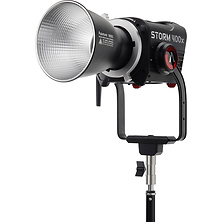
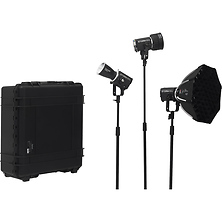
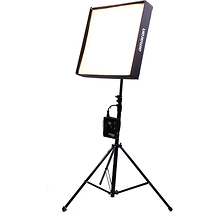
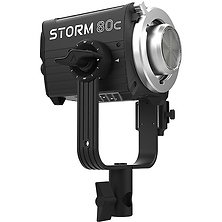
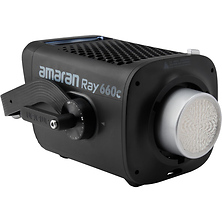
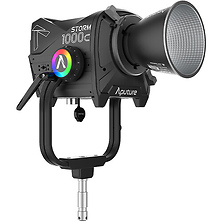
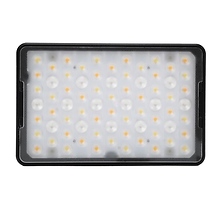
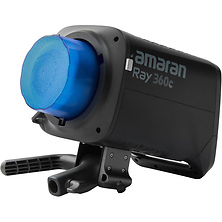
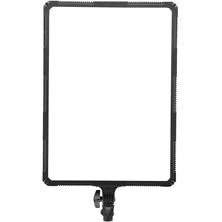
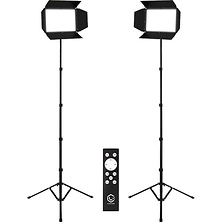
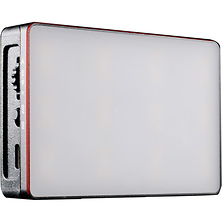
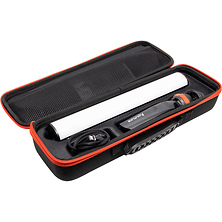
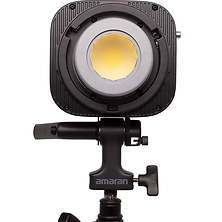
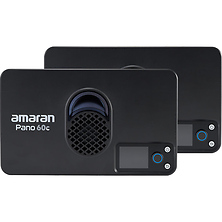
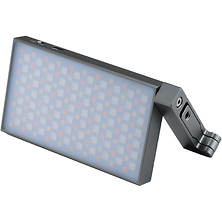
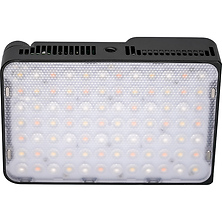
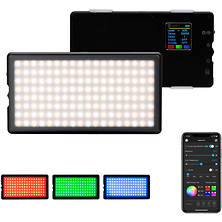
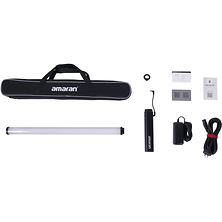
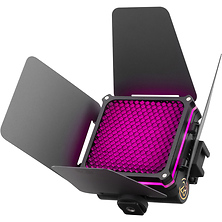
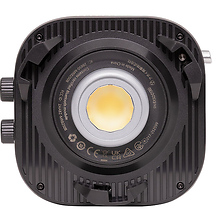
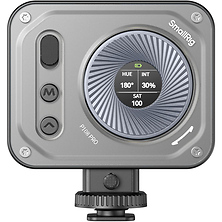
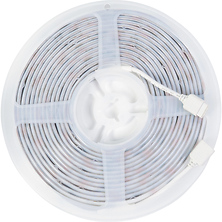
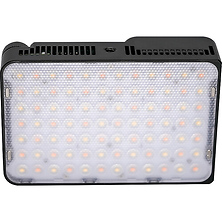
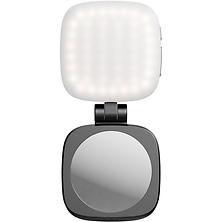
LED video lights come in panel, flood, and ring configurations. LED panels mount on tripods or grip arms and provide rectangular illumination across a wide area. Flood lights create broader, softer illumination ideal for general scene lighting. Ring lights excel at product and close-up video work, creating shadowless, even lighting around your subject ideal for content creation and detail shots. Most modern LED systems offer dimming, color temperature adjustment from cool to warm tones, and compatibility with optional diffusers and reflectors.
- Dimmable output from 10% to 100% for precise exposure control
- Adjustable color temperature from 3200K to 5600K or beyond
- Built-in stands or mounting points for light stands and arms
- Lightweight construction under 10 pounds for portable productions
- Battery or AC power options for flexibility on location
Strobe and Flash Lighting Systems
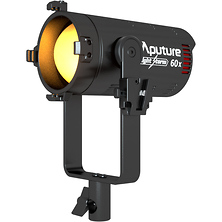
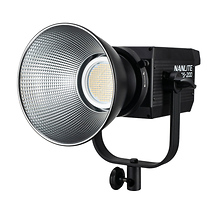
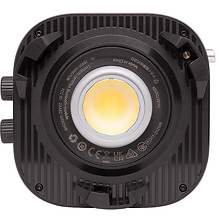
Strobe lighting delivers concentrated bursts of bright light, essential for freezing motion and creating dramatic, sculpted lighting in video work. Portable strobe systems offer compact, battery-powered solutions for productions that move frequently. Monolight strobe heads provide more power and precision, making them the choice for studio setups and professional broadcast work.
Strobe systems require understanding of sync modes and flash duration. High-speed sync capabilities allow you to exceed your camera's maximum shutter speed, crucial when using strobes in bright daylight. Modeling lights inside strobe heads help position light before firing, reducing guesswork during setup. Many professionals use strobes as key lights while filling with continuous lights, creating dimensional, controlled lighting that's impossible to achieve with ambient light alone.
- High-speed sync capabilities for daylight shooting
- Modeling lights for pre-visualization of light placement
- Recycle times under two seconds for rapid-fire shooting
- Wireless triggering via proprietary wireless connections or standard protocols
- Power outputs ranging from 200 to 2400 watt-seconds
Lighting Modifiers and Control
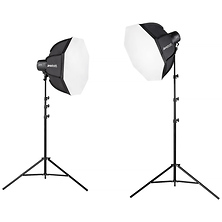
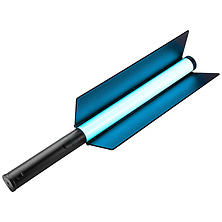
Professional video lighting rarely works alone. Modifiers shape, soften, and direct light to match your creative vision. Soft boxes diffuse light into soft, flattering illumination. Beauty dishes create sculpted, dimensional light flattering for interviews and beauty shots. Barn doors control spill and focus light exactly where needed. Reflectors bounce existing light to fill shadows and reduce contrast.
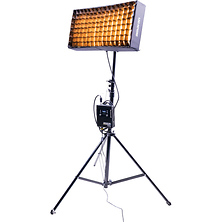
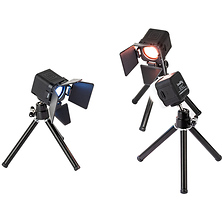
Grid systems narrow light beams for accent lighting, while diffusion panels soften harsh light over wide areas. Stands that raise and lower smoothly are as important as the lights themselves. Professional light stands handle heavy modifiers without drooping, with friction locks that stay secure through bumpy location moves. Boom arms extend lights beyond stand reach, positioning them overhead or at sharp angles impossible with vertical stands alone.
- Collapsible reflectors for bounce light in multiple sizes
- Diffusion fabrics rated for heat from tungsten sources
- Barn doors, flags, and gobo holders for precise control
- Friction-lock stands rated for 50+ pounds
- Boom arms extending 6-10 feet for creative positioning
Video Lighting for Different Production Scenarios
Interview and talking-head work benefits from simple three-point lighting: key light, fill light, and back light. A single LED panel as key light, a reflector for fill, and a small backlight mounted overhead creates professional, flattering results. Streaming and content creation often relies on simpler two-light setups with continuous LEDs for easy adjustment during long sessions.
Location filming demands portable solutions. Battery-powered LED panels fit into camera bags alongside lenses and camera accessories. Strobe setups for location work use compact flash units and lightweight stands. Product videography and photography both benefit from bright, even illumination to show texture and color accurately, achieved through overhead softboxes and carefully positioned fill lights.
- Interview setups: 3-point lighting with continuous LEDs
- Streaming: 2-light continuous setups for 8-12 hour sessions
- Location filming: Portable LED panels rated 1000-2000 lumens
- Product work: Overhead softboxes with 45-degree fill lighting
- Green screen work: Even, shadowless frontal lighting across the entire background
Who Uses Video Lighting Systems
Professional videographers and filmmakers depend on controlled lighting to achieve consistent image quality across scenes shot at different times and locations. Studio work demands precise, repeatable setups that require dedicated strobe systems and modifiers. Production companies shooting commercials, music videos, and broadcast content use layered lighting setups combining multiple sources for dimensional, cinematic results.
Content creators and streamers increasingly invest in lighting to stand out on platforms where viewer attention is limited. Proper lighting improves perceived production quality dramatically, keeping audiences engaged during long streams or video series. Documentary and interview-based content relies on flattering, natural-looking lighting that puts subjects at ease and conveys credibility and professionalism.
Wedding videographers, corporate video producers, and educators filming course content benefit from portable, quick-setup lighting that doesn't require extensive rigging. YouTube creators and TikTok producers use compact LED solutions that fit into small workspaces and produce high-quality video without expensive infrastructure.
Frequently Asked Questions
What's the difference between LED and strobe lighting for video?
LED lights provide continuous illumination you see in real time, making exposure and color adjustments immediate and predictable. Strobes deliver brief, powerful bursts of light that excel at freezing motion and creating dramatic sculptural effects. LEDs work better for live situations like streaming where continuous preview matters. Strobes dominate high-speed motion work and situations requiring extreme power. Many professionals use both: LEDs for fill and modeling, strobes for key light impact.
How many lights do I need to start?
Start with one continuous LED light and a reflector for fill, creating a simple two-light setup suitable for interviews, product shots, and talking-head content. As your skills grow, add a backlight for separation from the background, completing three-point lighting. Each light you add increases creative possibilities but also requires more space, power, and setup time. Professional studios use five or more lights for maximum control, but beginners create excellent results with just one well-positioned source and reflectors for fill.
What wattage of continuous lighting do I need?
Power requirements depend on your sensor sensitivity and desired f-stop. LED panels rated 500-1000 watts of tungsten equivalent work well in controlled indoor environments. Location and outdoor work often demands 1500-2000 watt equivalent panels to overcome ambient light. Professional studio setups use 2000+ watt equivalent systems. Check your camera's ISO performance and plan lighting based on whether you want to shoot at f/2.8 for shallow depth of field or f/8 for product work where depth of field matters more.
Can I use photography flashes for video lighting?
Photography flashes work for freezing motion in video but not for continuous illumination. If you need constant light during interviews or talking-head work, continuous lights or modeling lights inside strobe heads are better solutions. Small flashes sync well with cinema cameras and high-speed video rigs where you're freezing action across rapid frames. Most videographers use dedicated video lighting systems optimized for the consistent, controllable output video requires.
What's the best color temperature for video?
Tungsten (3200K) and daylight (5600K) are the two standard video color temperatures. Choose based on your primary shooting environment. Tungsten lighting works well for warm, intimate indoor scenes. Daylight temperature matches outdoor sun and windows, making it ideal for location work and situations mixing natural window light with artificial sources. Adjustable LED systems let you match whatever color temperature dominates your scene, maintaining consistent color across your entire production.
How do I avoid harsh shadows and unflattering lighting?
Soften light using diffusion panels placed between the light source and subject, spreading illumination across a larger area. Bounce hard light off white reflectors to create softer, more flattering illumination. Use fill lights or reflectors opposite your key light to reduce shadow density. Raise your key light above eye level and point it down slightly for more flattering angles on faces. Distance matters too: moving a light back and using a reflector creates softer results than positioning a hard light close to your subject.
Shop Video Lighting at Samy's Camera
Professional video lighting transforms ordinary footage into compelling visual storytelling. Whether you're building your first content creation setup, upgrading to strobe systems for studio work, or assembling location kits for on-the-go productions, Samy's Camera stocks the full range of video and audio equipment you need. Our knowledgeable team can help you choose lighting that matches your budget, space, and creative vision. Visit your local Samy's Camera store or shop online to explore our complete selection of continuous, LED, and strobe lighting systems, modifiers, stands, and accessories.