










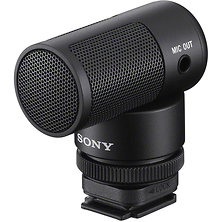
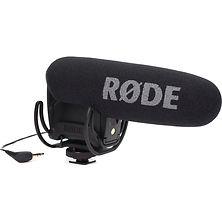
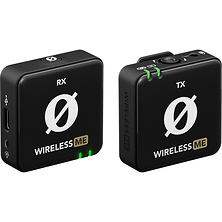

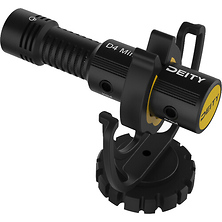

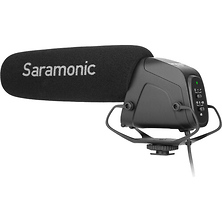

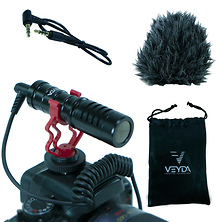

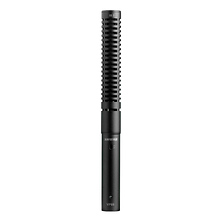





Shotgun Microphones for Professional Audio on Location
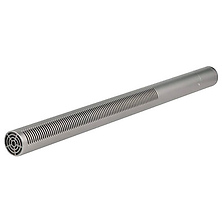
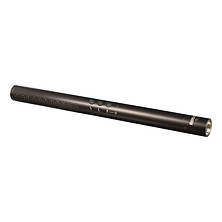
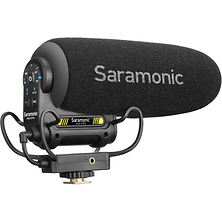
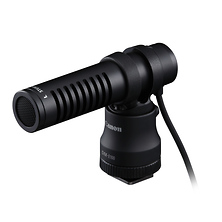
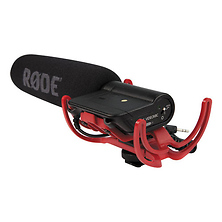
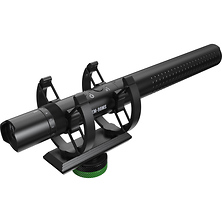
Shotgun microphones deliver focused, directional audio capture for video production, filmmaking, interviews, and location sound recording. Unlike omnidirectional mics that pick up sound from all directions, a shotgun mic isolates the intended audio source while rejecting off-axis noise and room reflections. Whether you're recording dialogue on set, capturing ambient sound for documentaries, or adding clear narration to a vlog, shotgun mics are the industry standard for professional audio that matches professional video quality.
Shotgun microphones use a highly directional pickup pattern to capture sound from a narrow angle in front of the microphone. This design makes them ideal for video production where clean, focused audio matters more than capturing room ambience. A shotgun mic mounted on a camera rig, boom pole, or held in the frame captures crisp dialogue and subject audio while minimizing background noise, wind, and unwanted reflections.
Key Features and Specifications
Shotgun microphones share common technical characteristics:
- Hypercardioid or supercardioid pickup pattern for maximum off-axis rejection
- Condenser design for high sensitivity and frequency response fidelity
- Low self-noise specification (typically 12-20 dB-A) for clean capture
- Phantom power requirement (48V) for internal electronics
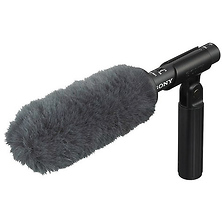
- Built-in wind shield or foam cover to minimize breath pops
- 3.5mm or XLR audio connectors depending on interface
- Lightweight aluminum or plastic housing for boom pole positioning
Directional Pickup Patterns and Off-Axis Rejection
The shotgun design's greatest strength is ignoring sound from the sides and rear while capturing everything directly in front. This hypercardioid pattern creates a "sound spotlight" that follows the microphone's aim. In busy locations like interviews at crowded events, parking lot shoots, or indoor rooms with echo, the shotgun mic's directional nature keeps dialogue sharp and intelligible. Off-axis rejection also means you capture less room tone, wind rustle, and traffic noise.
Positioning matters. Point the mic directly at your subject and results are excellent. Angle it 45 degrees away and audio quality drops noticeably. This is why boom operators maintain precise angles during shots and why vloggers position shotgun mics on-axis with their mouth.
Condenser Versus Dynamic Shotgun Mics
Most shotgun microphones are condensers because the capsule design naturally pairs with directional technology. The thin diaphragm responds quickly to air particles, making it sensitive to dialogue nuance and vocal detail. Phantom power activates the internal electronics that amplify the capsule signal. Video professionals standardize on condenser shotgun mics because the audio quality difference is substantial.
Impedance and Connection Considerations
Shotgun mics operate at high impedance (2-3 kOhm) compared to typical XLR microphones (50-200 Ohm). Some cameras and video monitors include audio inputs optimized for high-impedance mics. Others require an adapter or external preamp to avoid signal loss and noise.
Who Uses Shotgun Microphones
Professional videographers recording interviews and dialogue rely on shotgun mics mounted on boom poles or camera rigs. The directional pickup and clean rejection of room noise make it possible to capture usable audio on location without extensive post-production cleanup.
Filmmakers and documentary crews use shotgun mics as part of their standard sound package. Paired with professional audio recorders and wireless systems, shotgun mics scale from solo documentary shoots to multi-camera productions.
Content creators producing vlogs, YouTube videos, and social content use shotgun mics mounted on cameras or rigs to improve audio quality without adding much size or weight. A compact shotgun mic delivers clearer capture than a camera's built-in microphone.
Shotgun Mic Placement and Technique
Effective shotgun mic use depends on proper positioning. The ideal placement is on-axis with the sound source, typically 12-24 inches away for dialogue. Closer placement risks capturing breath pops. Farther placement reduces signal strength and picks up more room ambience.
Boom operators learn to track focus as subjects move, keeping the mic's aim pointed at the speaker's mouth. For stationary interviews, mounting the mic on a desk stand or tripod pointed at the subject eliminates the need for a boom operator. Wind protection is essential for outdoor shooting, using a windscreen (foam cover) to reduce wind noise for light breezes. For stronger wind, more elaborate windbreaks are needed. Camera bags often include dedicated pockets for storing shotgun mics safely during location moves.
Wireless and Wired Connection Options
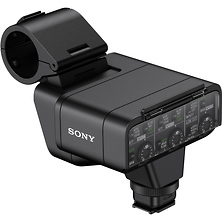
Shotgun mics connect to recording devices via XLR connector (professional audio standard) or 3.5mm jack (camera input). Wired connections require a cable run from the mic to the camera. Wireless systems pair a shotgun mic capsule with a bodypack transmitter, sending audio via frequency band to a receiver connected to the camera. Wireless systems offer freedom of movement and eliminate cable tangling, but require battery management and frequency coordination. Many productions run both wireless as primary and wired as redundant safety feed.
Frequently Asked Questions
What is the difference between a shotgun mic and a lavalier microphone?
A lavalier (lapel) mic is omnidirectional and clips to clothing, capturing the wearer's voice while rejecting little off-axis sound. A shotgun mic is highly directional and mounted on a boom pole or camera, capturing sound from a narrow angle in front. Shotgun mics reject off-axis noise better, making them suited for busy locations where you need to isolate specific audio.
Do shotgun microphones require phantom power?
Yes, nearly all shotgun microphones are condensers and require 48V phantom power to operate. Your camera, audio recorder, or audio mixer must supply phantom power through the XLR connector. Some older cameras lack phantom power, requiring an external preamp or wireless system with built-in power.
What wind protection do shotgun microphones need?
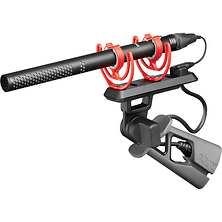
A basic foam windscreen handles light breezes and breath pops indoors. Outdoor shooting in moderate wind requires a more robust cover. Professional sound departments use multi-layer windscreens or suspension systems. For heavy wind, acoustic blankets redirect air around the microphone.
Can I use a shotgun mic on my smartphone?
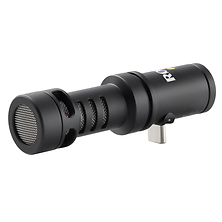
Yes. Adapter cables connect a shotgun mic with XLR or 3.5mm connector to a smartphone's audio input or USB-C port. Sound quality depends on the phone's microphone preamp and cable quality. Most smartphones have decent preamps, but built-in limiting and automatic gain control can interfere with manual audio control.
How far away can a shotgun mic pick up sound?
Shotgun mics are sensitive and can pick up sound from 20-30 feet away, but audio quality degrades with distance. Optimal range is 12-24 inches for dialogue. Beyond that, ambient noise and room reflections become prominent. The closer the mic to your subject, the cleaner the audio.
What is phantom power and why do shotgun mics need it?
Phantom power is a DC voltage sent through XLR audio cables to power microphone electronics. Shotgun mics use phantom power to energize the condenser capsule and built-in preamplifier. Without 48V phantom power, a condenser shotgun mic produces no audio. Verify your camera or recorder provides phantom power before purchasing.
Shop Shotgun Microphones at Samy's Camera
Shotgun microphones are the professional standard for location sound in video production, filmmaking, interviews, and content creation. Whether you're outfitting your first digital cinema camera or building a complete audio setup for a production team, Samy's Camera carries shotgun mics from trusted brands with fast shipping and expert support. Browse wired and wireless options, compare specifications, and get guidance on pairing the right microphone with your recording equipment.