








Gimbal Stabilizers for Professional Video Production
Camera gimbals provide the smooth, shake-free footage that audiences expect from professional video production. Whether you're recording run-and-gun interviews, cinematic B-roll, or live streaming events, a quality gimbal stabilizes camera movement and delivers footage that looks polished without expensive post-stabilization work.
Camera gimbals use motorized motors to actively compensate for camera shake, tilt, and unwanted movement during shooting. Unlike passive tripods that lock your camera in place, gimbals continuously adjust position and orientation through three motorized axes. This active stabilization lets you move freely while capturing smooth footage that reveals detail and maintains focus on subject movement rather than camera shake.
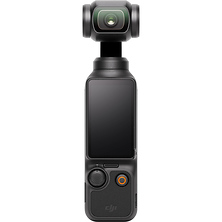
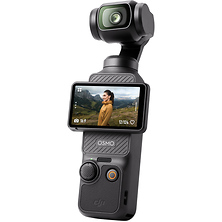
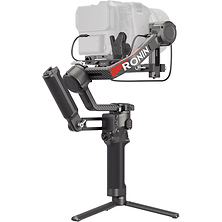
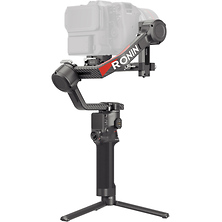
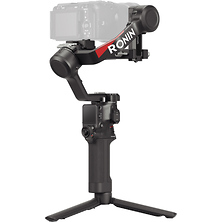
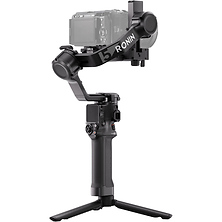
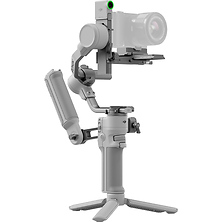
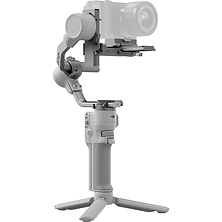
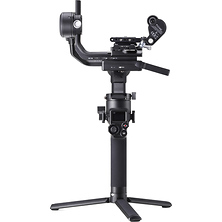
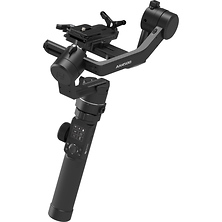
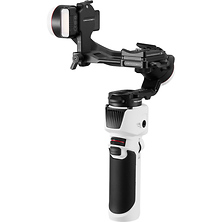
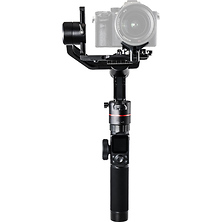
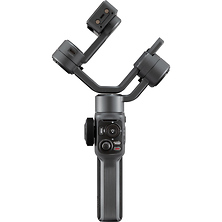
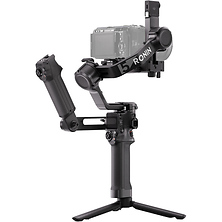
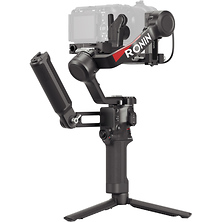
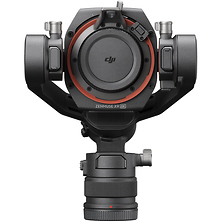
Gimbals suit different production scenarios and camera types. Compact handheld gimbals work with mirrorless cameras and DSLRs for documentary-style shooting and travel video. Larger stabilizers support heavier cinema camera bodies and professional cinema lenses, enabling smooth tracking shots and dynamic camera moves.
Types of Camera Gimbals
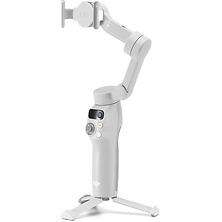
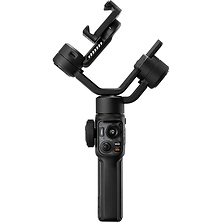
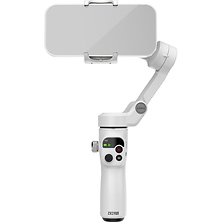
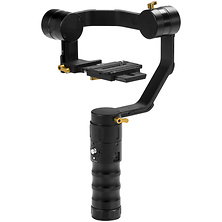
Handheld gimbals are designed to be operated by a single shooter, held either at waist level or at eye level like a traditional video camera. These stabilizers use counterweights and motorized control systems to neutralize movement. Most handheld gimbals feature joystick controls for panning and tilting, along with quick-release camera plates for fast mounting.
Three-axis gimbals stabilize movement in roll, pitch (tilt), and yaw (pan). This multi-axis approach delivers exceptionally smooth footage during complex camera moves, handheld walking shots, and dynamic scene transitions. Professional gimbals sometimes include motorized focus capability for automated focus transitions.
Motorized support systems combine gimbal stabilization with extended reach, allowing operators to capture overhead shots, crane movements, and elevated perspectives that fixed-position tripods and support equipment cannot achieve. These systems enable cinematic camera moves that elevate production value.
Key Features of Camera Gimbals
When evaluating gimbals, consider payload capacity, battery runtime (typically 8-16 hours), control method (joystick or mobile app), mounting plate compatibility, and stabilization smoothness settings. Most modern gimbals include app-based control and wireless monitoring capabilities that stream live video from your camera to a mobile device.
Essential features include integration with video monitoring equipment for live review, weather resistance and dust sealing, compatibility with camera hot shoes, and wireless system support.
Gimbal Workflows with Video Production Gear
Professional gimbals work seamlessly with video lighting systems when you need consistent exposure during dynamic camera movement. External LED panels attach to gimbal top handles without exceeding payload limits, providing color-accurate illumination.
Gimbal operators working on location benefit from dedicated camera bags and equipment cases sized for gimbal transport, batteries, and wireless controllers. Protective cases safeguard sensitive gimbal motors and electronic components during transit.
Who Uses Camera Gimbals?
Documentary filmmakers rely on gimbals to capture smooth interviews and tracking sequences. Travel videographers use gimbals to document adventures with cinematic quality. Event videographers use gimbals to cover weddings and corporate events where smooth footage elevates perceived value.
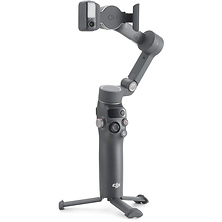
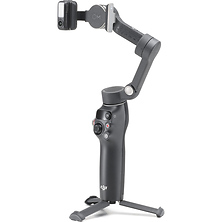
Content creators and vloggers use smartphone gimbals to produce polished videos for social media platforms without expensive camera gear. Music video and commercial producers use cinema-grade gimbals to execute choreographed camera moves and dynamic transitions that define high-end video production.
Frequently Asked Questions
What's the difference between a gimbal and a tripod?
Tripods lock your camera stationary for stable, locked-off shots. Gimbals actively stabilize your camera while you move, using motorized motors to compensate for shake and movement. Gimbals enable handheld-style shooting with professional smoothness. Many production teams use both for different shot types.
Can gimbals work with any camera?
Gimbals support cameras within specific payload limits. Verify your camera body and lens weight against the gimbal's maximum payload specification. Check gimbal documentation for compatibility with your specific camera model before purchasing.
How long do gimbal batteries last?
Most handheld gimbals run 8-16 hours per battery charge during typical operation. Heavier camera loads and cooler temperatures reduce runtime. Always carry spare batteries for extended shooting days.
Do I need a follow focus system with my gimbal?
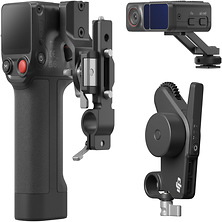
Not required, but optional. Basic gimbals provide camera stabilization only. Some professional models include motorized focus controls that automate focus adjustments during camera movement. Follow focus capability matters when shooting with shallow depth of field.
Can gimbals handle cinema lenses and large cameras?
Cinema camera bodies paired with professional cinema lenses are considerably heavier than mirrorless systems. Specialized professional gimbals and jib arms exist for cinema applications. Always verify payload capacity exceeds your total camera and lens weight.
What accessories enhance gimbal functionality?
External monitors mount to gimbal handles for improved framing. Quick-release plates speed up camera swaps. Wireless remote controllers let operators adjust gimbal settings from a distance. Extension poles increase gimbal reach for overhead shots. Protective backpacks keep your gimbal system organized during location work.
Shop Camera Gimbals at Samy's Camera
Camera gimbals transform your video production capability, delivering smooth, professional-quality footage that engages viewers and elevates your content. Whether you're recording documentaries, event coverage, or commercial content, the right gimbal makes the difference between handheld footage that feels unprofessional and polished video that looks produced. Samy's Camera carries gimbals from leading manufacturers and provides expert support to help you choose the right stabilizer for your camera system.