







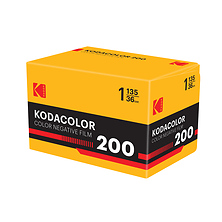
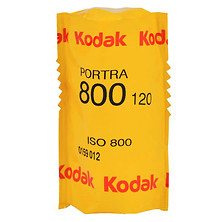
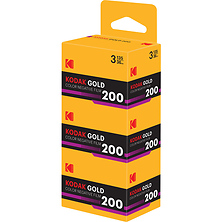
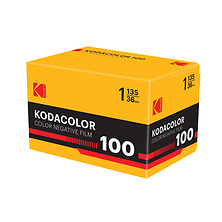
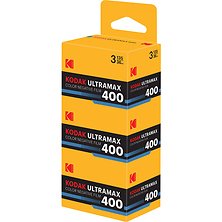

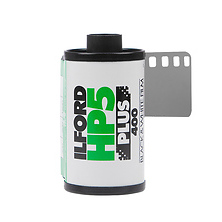

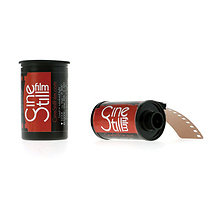
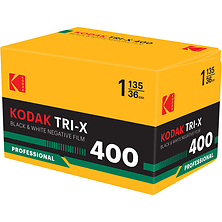

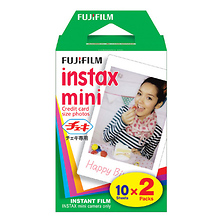
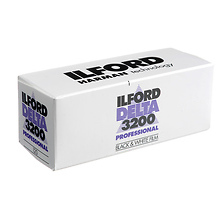
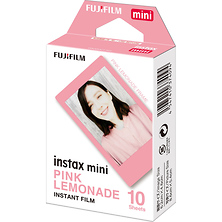
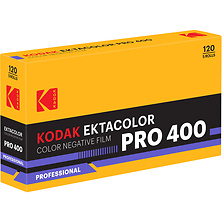

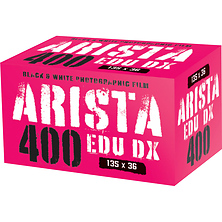
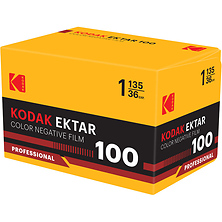
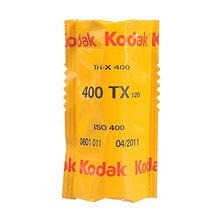
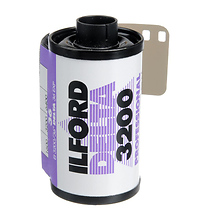
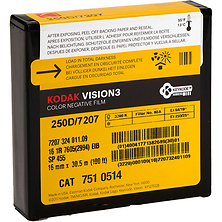
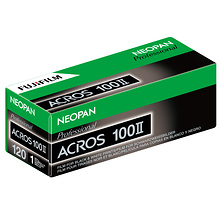
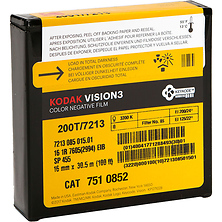
Film Stock for Every Format and Shooting Style
Film photography remains relevant for photographers seeking the distinctive aesthetic and workflow of analog image capture. Whether you shoot 35mm for everyday photography, 120mm for large negatives with exceptional detail, or instant film for immediate physical prints, Samy's Camera carries a curated selection of color and black-and-white stock from manufacturers including Kodak, Fujifilm, Ilford, Polaroid, CineStill, Harman, Leica, and Arista.
Film choice fundamentally shapes the character and technical performance of your photographs. Color negative film produces warm, forgiving tones ideal for portraits and everyday documentation. Black-and-white film offers maximum printing flexibility and delivers the timeless aesthetic preferred by fine art and editorial photographers. Color slide film delivers saturated color and fine grain, traditionally favored by professionals for publication and projection. Each emulsion type responds differently to light, requiring shooters to understand ISO, grain structure, and color rendering when selecting stock.
The film format you choose determines your camera options and final print or scan size. 35mm film offers portability and speed, making it ideal for reportage, street, and event photography. Medium format film captures larger negatives, providing superior detail and tonal range for studio, fashion, and landscape work. Instant film skips the darkroom entirely, delivering physical prints within minutes for spontaneous, collaborative shoots.
35mm Film for Rangefinders, SLRs, and Point-and-Shoot Cameras
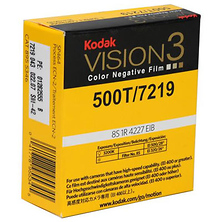
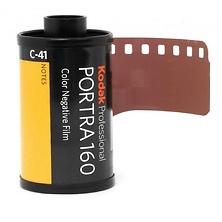
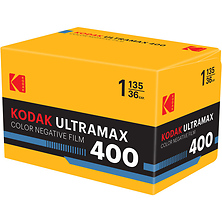
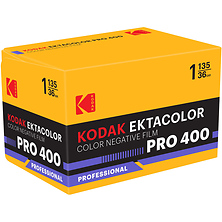
35mm film remains the most accessible entry point to analog photography. Cameras compatible with 35mm film range from fully manual SLRs to automatic point-and-shoot models, making it ideal for photographers exploring analog work. Standard 35mm cassettes load quickly and provide 24 or 36 exposures per roll. Available in ISO speeds from 25 to 3200, 35mm stock spans the full spectrum of shooting conditions, from bright sunlight to low-light interiors and night scenes.
Fast 35mm film (ISO 400 and above) supports faster shutter speeds and smaller apertures in dim conditions, essential for available-light photography in theaters, museums, and nightlife venues. Medium-speed film (ISO 100-200) balances fine grain with exposure flexibility for general-purpose shooting. Slow film (ISO 50 and below) demands bright light and tripods but rewards with exceptional sharpness and microcontrast for landscape and studio work.
120mm Format for Detail and Scale
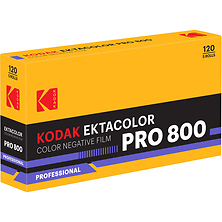
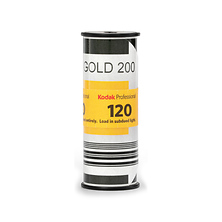
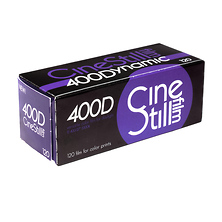
120mm film produces negatives six times larger than 35mm, delivering grain structure that remains fine even at substantial enlargements. The format supports medium format film cameras including folding models, rangefinders, and SLRs. A standard 120 roll yields 8 to 16 exposures depending on frame size (645, 6x6, 6x7, or 6x9), making each frame deliberate and encouraging thoughtful composition.
Medium format shooters typically select film based on intended final size and paper stock. Fine-grain black-and-white film enables 11x14 or larger prints with clean highlights and smooth shadows. Color film renders skin tones beautifully, making it standard in fashion, beauty, and wedding photography. Faster 120 stocks (ISO 400 and above) reduce the need for tripods during overcast days or indoor studio sessions, expanding creative flexibility.
Instant Film for Immediate Results
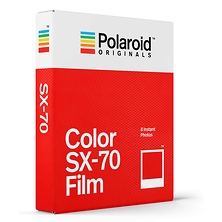
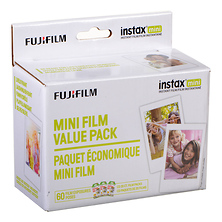
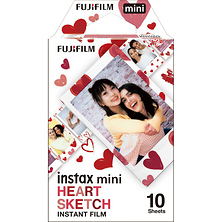
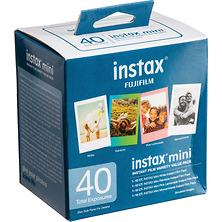
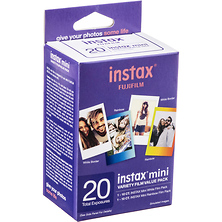
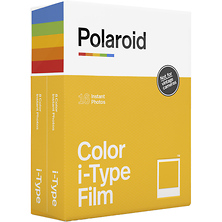
Instant film eliminates the darkroom step, producing physical prints seconds after exposure. Cameras designed for instant film appeal to event photographers, party guests, and anyone preferring tangible photographs over digital files. Instant stock comes in small format (2x3 inches) and large format (4x5 inches), with color and black-and-white options. Some instant film types feature white borders and include backup batteries inside each pack, making them ready to use directly from the box.
Event photographers often stage instant film cameras alongside digital capture, giving guests a memorable takeaway and generating social media interest. Fine art and commercial photographers incorporate instant tests into shooting workflows, evaluating composition and exposure before committing to film or digital capture.
Black-and-White Film for Fine Art and Maximum Control
Black-and-white film attracts photographers valuing tonal range, printing control, and aesthetic timelessness. Converting color to grayscale during post-capture processing discards information; shooting black-and-white film from the start preserves maximum tonal separation and printing options. Traditional darkroom printers appreciate the expanded range of paper types, chemical combinations, and printing techniques available for black-and-white output. Digital shooters scanning black-and-white negatives benefit from the exceptional latitude of film, which records detail in shadows and highlights that digital sensors often clip.
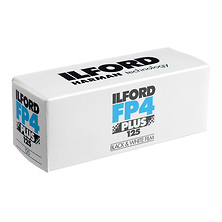
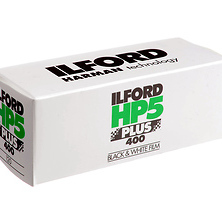
Common black-and-white brands include Kodak Tri-X and Plus-X, Ilford HP5 and FP4, and Fomapan. Each emulsion offers distinct grain structure and tonal rendering. Fast stocks work in overcast daylight and interior scenes. Slow stocks require bright light but deliver the finest grain and longest tonal scale.
Color Film for Warmth, Saturation, and Vibrancy
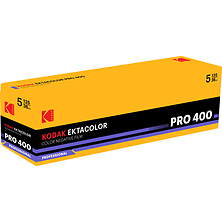
Color negative film preserves the widest color gamut and tolerance for exposure error, making it forgiving for photographers exploring film. Warm color casts in color negative film render skin tones naturally, explaining the format's dominance in portrait and family photography. Color slide film demands precise exposure but rewards with highly saturated color and fine grain ideal for landscapes and fine art work.
Fujifilm and Kodak supply the majority of color stock available today. Each manufacturer varies color rendering, contrast, and grain to suit different creative goals. Professional photographers often conduct extensive testing before committing to a specific brand for critical work.
ISO, Grain, and Exposure Considerations
Film speed directly influences grain structure, exposure latitude, and lens aperture requirements. Slow film (ISO 50-100) produces the finest grain and sharpest edge definition but requires bright light or wide apertures. Medium-speed film (ISO 200-400) balances fine grain with practical exposure latitude for varied daylight and overcast conditions. Fast film (ISO 800 and above) introduces visible grain but supports fast shutter speeds and narrow apertures in dim light, essential for theater, concert, and night photography.
Film latitude (the margin for overexposure or underexposure before losing image detail) varies by emulsion. Negative film tolerates overexposure; black-and-white film typically offers the widest latitude overall. Understanding film latitude informs exposure metering strategy. Shooting in manual mode and using a light meter, or relying on camera metering in aperture-priority mode, both work depending on your workflow and camera.
Storage and Handling for Maximum Film Freshness
Film sensitivity changes with age and storage conditions. Refrigerator or freezer storage extends film life significantly; unopened film keeps for years when stored cold and sealed. Warm, humid environments accelerate color shift and contrast loss, particularly for color stocks. Professional photographers purchasing bulk film often freeze it and remove one cassette at a time, allowing it to acclimate to room temperature before opening to prevent condensation.
Bring film to the camera immediately before shooting if stored in a freezer. Allow sealed film to reach room temperature for 15 minutes before opening to prevent moisture accumulation on the film surface. Process film promptly after exposure for best results; color film in particular benefits from quick processing to preserve color accuracy.
Frequently Asked Questions
What is the difference between 35mm and 120mm film?
35mm film produces smaller negatives that work in compact and portable cameras. 120mm film produces negatives six times larger, delivering finer grain and superior detail at larger print sizes. 35mm suits travel, street, and event photography. 120mm suits studio, fashion, and landscape work.
Does color or black-and-white film offer a quality advantage?
Neither format is objectively superior. Color film captures broader color information but requires accurate exposure and skilled printing for optimal results. Black-and-white film offers maximum tonal control and simplifies darkroom printing. Choice depends on your creative vision and intended use.
Can you use old film from years ago?
Old film gradually loses sensitivity and color accuracy. Decades-old film may show color shifts or reduced contrast. Shooting at a lower ISO or overexposing by one stop may compensate. Professional results require freshly manufactured film; experimental work tolerates older stock.
What does ISO mean on film?
ISO indicates film speed, or sensitivity to light. Higher ISO (400, 800, 3200) works in dim conditions and supports fast shutter speeds. Lower ISO (25, 50, 100) requires bright light or wide apertures but delivers finer grain and sharper images.
How long does film last after exposure?
Exposed film remains stable for months or years if stored cool and dry. Color film shifts faster than black-and-white film. Prompt processing (within days or weeks of shooting) preserves color accuracy. Processing exposed film is inexpensive and essential for developing your negatives or slides.
What is the best film for beginners?
Start with ISO 400 color negative film in 35mm format. It tolerates exposure error, works in varied light, and loads easily into most film cameras. Once comfortable with manual exposure metering, explore faster stocks for low light or slower stocks for fine-grain work.
Shop Film at Samy's Camera
Samy's Camera provides expert guidance, fast shipping, and a comprehensive selection of current and specialty film stock. Pair your film with camera bags, filter accessories, and camera support equipment to complete your analog setup.