






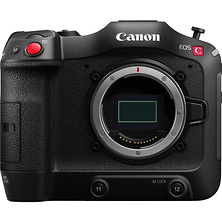

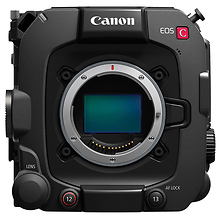
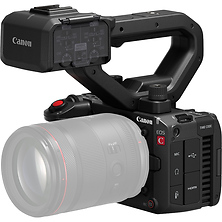
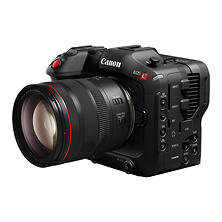
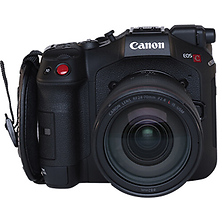
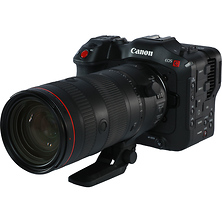
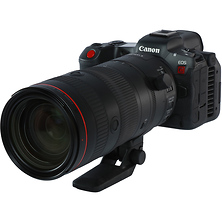
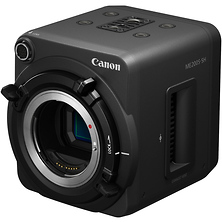
Canon Cinema EOS Cameras for Professional Video Production
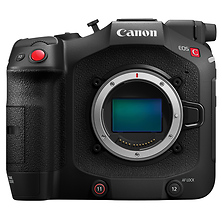
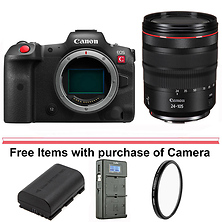
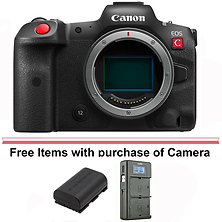
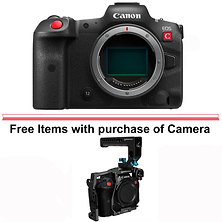
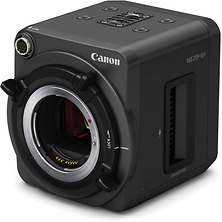
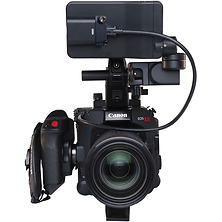
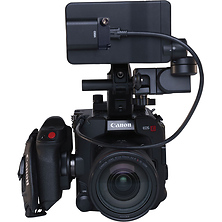
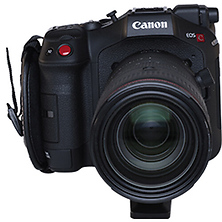
Canon Digital Cinema Cameras deliver professional-grade video performance in compact, versatile packages designed for filmmakers, documentary creators, and broadcast professionals. From compact full-frame models to cinema-ready bodies with advanced connectivity, the Cinema EOS lineup combines high-resolution sensors, professional audio inputs, and broadcast-standard features that adapt to productions ranging from solo documentaries to multi-camera television work.
The Canon Cinema EOS family represents over a decade of cinema-focused innovation, serving filmmakers who demand superior color science, reliable autofocus, and seamless integration with professional workflows. These cameras record in Canon Log color profiles optimized for color grading, support professional audio via XLR inputs, and deliver raw or compressed recording options for every production style. Whether you're building a multi-camera rig or working solo, Canon's cinema lineup provides the technical foundation to execute your vision.
Key Features of Canon Cinema EOS Cameras
Canon's Cinema EOS bodies share core design principles that filmmakers depend on. Full-frame CMOS sensors with Dual Pixel CMOS AF II provide reliable autofocus during fast-paced shoots where manual focus adjustments aren't practical. The DIGIC DV7 processing engine unifies color science and recording performance across the lineup, allowing seamless footage integration when cutting between different camera bodies in post-production.
Professional audio is standard across Canon cinema cameras. Detachable top handles feature dual full-size XLR inputs with switchable phantom power, supporting professional microphones and wireless systems. Independent level controls, built-in limiters, and headphone monitoring ensure broadcast-quality audio capture. For productions requiring timecode synchronization, the DIN timecode port connects external timecode sources, aligning multiple cameras to a master clock.
- 7K and 4K sensor options with full-frame or APS-H capture
- Cinema RAW Light recording for maximum post-production flexibility
- Canon Log 2 and Canon Log 3 color profiles for professional color grading
- Dual full-size XLR audio inputs with phantom power on detachable handle
- Dual Base ISO options for optimal image quality in varying light conditions
- Dual card slots for simultaneous recording, backup, or format splitting
- RF mount compatibility with native Canon cinema and photo lenses
- Timecode I/O for multi-camera synchronization
- 12-bit or 10-bit recording depending on format and model
Recording Formats and Codec Options
Canon Cinema EOS cameras record in multiple codecs to match your production workflow. Cinema RAW Light captures the full sensor data at up to 12-bit precision, giving maximum latitude in post-production for color correction and visual effects. For productions requiring faster file delivery, XF-AVC and MP4 options provide efficient compression while maintaining professional quality. Simultaneous multi-format recording allows capturing RAW for archival while also recording a compressed proxy, enabling editors to start working before final files finish processing.
Frame rates range from 24p up to 120p depending on the model and recording format. Open Gate capture modes on select bodies preserve the full 3:2 sensor area, supporting anamorphic lens workflows and creative aspect ratio choices in post. For content creators serving social platforms, simultaneous crop recording captures a primary frame format while also recording a vertical, square, or alternative ratio crop on a second stream.
Who Uses Canon Cinema EOS Cameras
Independent filmmakers making narrative features choose Canon Cinema EOS bodies for their compact size and cinema-ready feature set. Documentary producers value the reliable autofocus and portable form factor that enables shooting in tight spaces where larger cinema cameras are impractical. Solo operators working on multiple projects appreciate the hybrid capabilities, switching between cinema and photo modes with a single body.
Commercial production teams building multi-camera setups rely on Canon's color science consistency across the lineup. When four or five cameras roll simultaneously, matching cinema log profiles and color science means post-production color correction applies uniformly across all angles. Broadcast operations benefit from timecode synchronization, professional audio connectivity, and reliability during live events.
Hybrid content creators covering events, conferences, or social platforms use Cinema EOS cameras to produce both cinema-quality video and high-resolution stills. The ability to deliver cinematic 4K/7K footage alongside professional photography eliminates the need to carry separate camera systems, reducing gear weight and complexity on location.
Frequently Asked Questions
What is the difference between Cinema RAW Light and compressed recording formats?
Cinema RAW Light records the uncompressed sensor data at 12-bit, preserving maximum color and tonal information for post-production. Compressed formats like XF-AVC use 10-bit data with H.264 or H.265 encoding, reducing file sizes dramatically while maintaining professional quality. RAW offers the highest flexibility in color grading and visual effects; compressed formats speed up workflows when color grading is minimal or when fast delivery is critical.
How do Canon Cinema EOS cameras perform in multi-camera setups?
Yes. Canon Cinema EOS cameras output clean HDMI for external recording, enabling integration with third-party monitors, switchers, and broadcast infrastructure. Timecode I/O supports sync with non-Canon cameras. The key advantage of the Cinema EOS lineup is color science consistency within Canon's ecosystem. Mixing Canon Cinema EOS, EOS R photo cameras, and Canon PowerShot models ensures seamless color matching in multi-camera productions.
What audio monitoring options are available during recording?
All Canon Cinema EOS cameras include headphone monitoring on the detachable top handle, enabling real-time audio level verification during shooting. The handle provides independent channel level controls and visible audio meters. For productions requiring more granular mixing, external audio mixers connect via the XLR inputs, giving you full control over microphone levels, equalization, and cross-fading before the signal reaches the camera.
How does Dual Pixel CMOS AF II handle fast-moving subjects?
Dual Pixel CMOS AF II uses phase-detection autofocus across the entire sensor, enabling fast, accurate tracking of moving subjects. The system performs continuous autofocus during video recording, adjusting focus in real-time as subjects move or you recompose framing. Performance depends on available light and the specific lens being used, but reliability remains high even in documentary or live event contexts where manual focus adjustments aren't practical.
Do Canon Cinema EOS cameras support external timecode input?
Select Canon Cinema EOS cameras include a DIN timecode port that accepts timecode from external sources, locking the camera to a master clock. This feature is available on higher-end models such as the C300 and C500 series. Some earlier and entry-level Cinema EOS bodies, including the C100 series and C200, lack a dedicated external timecode input. When planning a multi-camera timecode workflow, check the specifications for your specific model. On supported cameras, timecode embeds in your recording metadata, enabling seamless multicam editing without manual synchronization in post.
What is the benefit of the RF mount compared to EF mount in Cinema EOS cameras?
The RF mount features a shorter back focus distance and larger diameter, enabling faster, wider-angle lens designs with modern optical correction algorithms. Native Canon RF lenses deliver superior autofocus performance with Dual Pixel CMOS AF II, electronic focusing, and built-in optical image stabilization on select lenses. RF mount bodies are thinner and lighter than legacy EF-based cinema cameras, contributing to more portable production setups.
Accessories That Complete Your Canon Cinema EOS Setup
Maximize your Canon Cinema EOS investment with accessories that expand creative possibilities and improve workflow efficiency. External video monitors provide larger, brighter displays for precise focus confirmation and exposure verification. Professional tripods and fluid heads enable smooth pans and tilts for narrative filmmaking. Additional batteries and extended runtime grips support longer shooting days without downtime.
XLR microphones and wireless audio systems connect through the camera's phantom-powered inputs, enabling professional dialogue recording and ambient sound capture. Memory cards optimized for sustained write speeds support sustained 4K RAW recording without dropped frames. Cinema-focused lighting solutions complement your camera's sensor performance, and reliable camera cases protect your investment during transport and on-location work.
Shop Canon Digital Cinema Cameras at Samy's Camera
Canon Cinema EOS cameras represent a significant investment in your production capability. Samy's Camera offers fast shipping, expert guidance, and a full range of Camera accessories to support your cinema workflow. Whether you're purchasing your first professional video camera or expanding an existing production rig, our team can recommend configurations tailored to your specific storytelling needs and help you select compatible lenses, audio equipment, and support gear.