
My Cart
Wildlife Photography Buyers Guide
SHOP NOWDiscover essential wildlife photography gear at Samy's Camera. From cameras to tripods, get the best tools for your art.SHOP NOW
Grow your Business or Hobby with Hand-picked
Wildlife Photography Equipment Specific to Your Needs


Wildlife photography is all about capturing the untamed beauty of the animal kingdom, and having the right gear is essential. This guide is tailored to help you select the ideal equipment, including the best cameras, lenses, and accessories specifically for wildlife photography. With patience, skill, and the right tools, you'll beautifully document the wonders of our natural world.
Choosing the Right Camera for Wildlife Photography
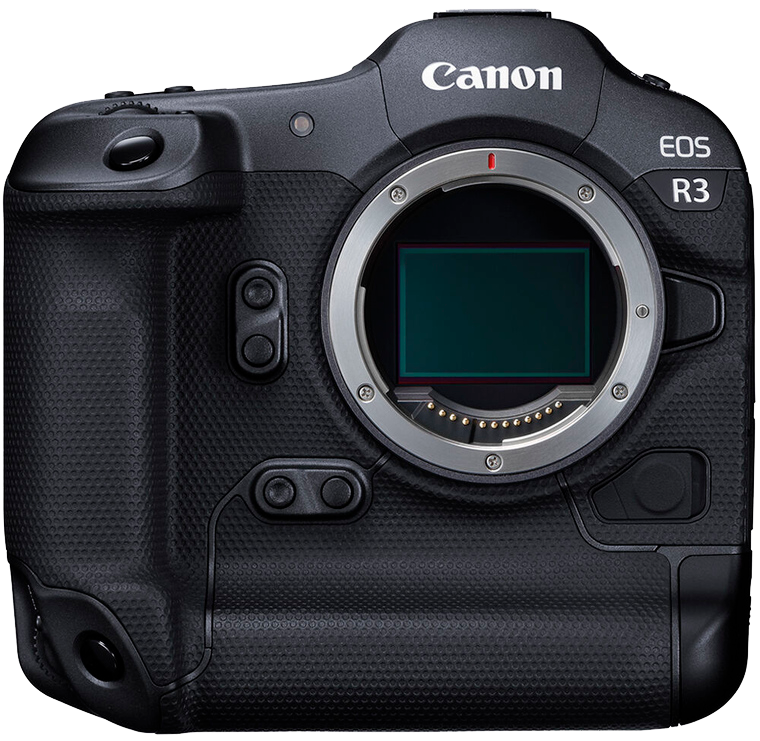
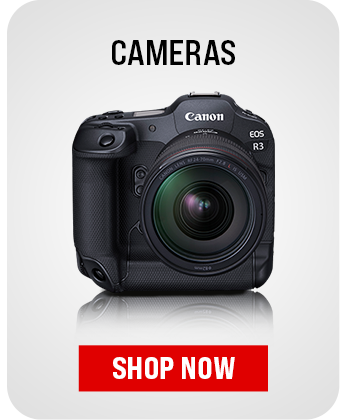
 Selecting the right camera is crucial for wildlife photography. It should be a tool that complements your vision and creativity, enabling you to capture the raw beauty of wildlife as you perceive it. Samy's Camera offers a diverse range of high-performance digital cameras, ideal for wildlife photography.
Features to Look For in a Camera for Wildlife Photography:
Sensor Size and Resolution: Cameras with large sensors and high resolution are preferable for capturing the intricate details of wildlife.
Autofocus Speed: Quick and accurate autofocus is essential to capture fast-moving animals.
High-Speed Capture: A higher frame rate is beneficial for capturing split-second moments in wildlife.
Weather Sealing: Durable and weather-sealed camera bodies are vital for outdoor wildlife photography.
ISO Performance: Excellent low-light performance is important for capturing wildlife during different times of the day.
Sensor format also shapes wildlife results. APS-C cameras apply a 1.5x or 1.6x crop factor to lens focal length, turning a 400mm lens into a 600mm-equivalent reach without the size and weight of a true 600mm. Full-frame sensors deliver cleaner high-ISO performance and shallower depth of field. That combination suits dawn and dusk shooting, and it isolates a subject from a busy background when foliage or terrain crowd the frame.
Mirrorless or DSLR for Wildlife
Most current wildlife flagships are mirrorless cameras. Mirrorless bodies typically offer faster continuous shooting (20 to 40+ frames per second with electronic shutters), animal- and bird-eye autofocus, and silent shooting that won't disturb wildlife. DSLR bodies still appeal to photographers who prefer optical viewfinders and longer battery life, though lens development has shifted almost entirely to mirrorless mounts.
Selecting the Best Lenses for Wildlife Photography
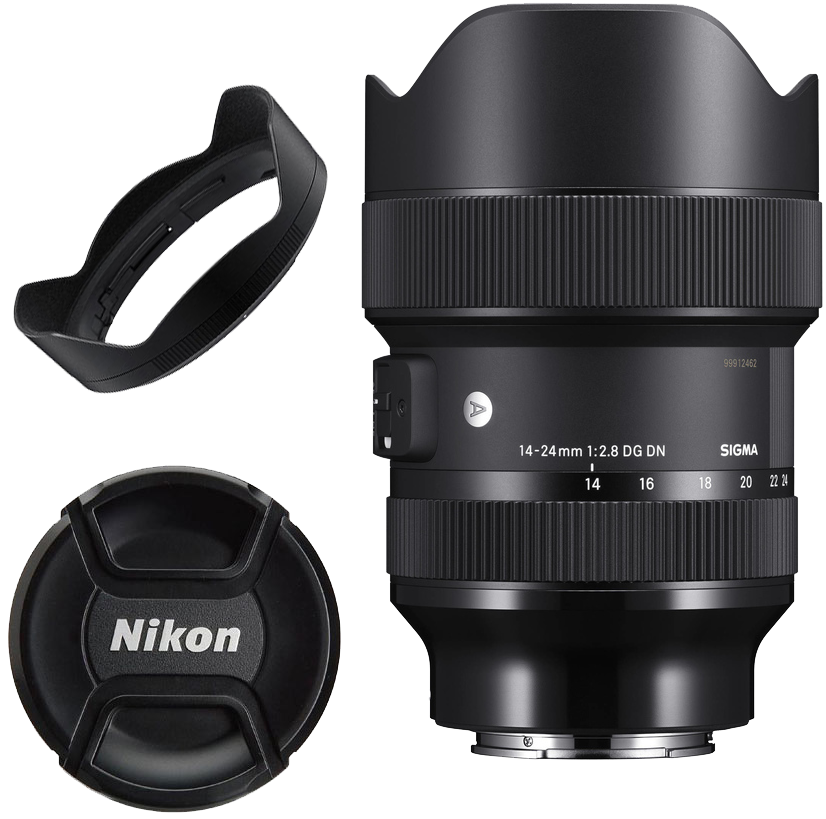
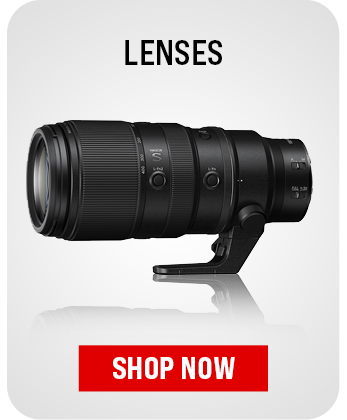
The camera lens you choose can dramatically impact the outcome of your wildlife photos. It influences not only the composition but also the sharpness and depth of field, making it as crucial as the camera itself.
Types of Lenses Suitable for Wildlife Photography:
Telephoto Lenses (100mm - 600mm+): Ideal for capturing distant wildlife safely and without intrusion telephoto lenses are great wildlife photography lenses that you will find in every nature photographer's kit.
Zoom Lenses (70mm - 200mm+): The flexibility of zoom lenses offers advantages in framing and composition that are crucial for adapting to the unpredictable elements of wildlife photography.
Prime Lenses: Known for their sharpness and speed, prime lenses are excellent for capturing clear, detailed wildlife shots, especially in lower light conditions.
Wildlife Lens Brands at Samy's Camera
Sony anchors its wildlife lineup with the FE 200-600mm G and the FE 100-400mm GM, both popular pairings on Alpha mirrorless bodies. Canon RF telephotos like the 100-500mm and 200-800mm are common choices on EOS R bodies, and Nikon Z-mount shooters reach for the 180-600mm and 100-400mm. Sigma and Tamron cover the 150-600mm range for photographers who want long reach at a friendlier price.

Tripods and Monopods for Wildlife Photography
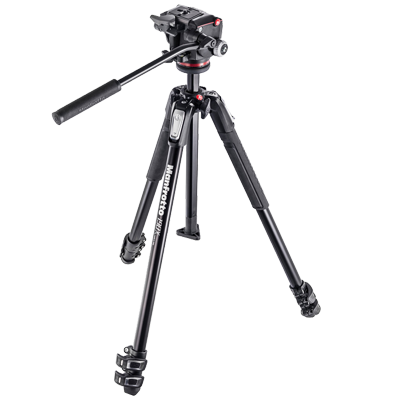
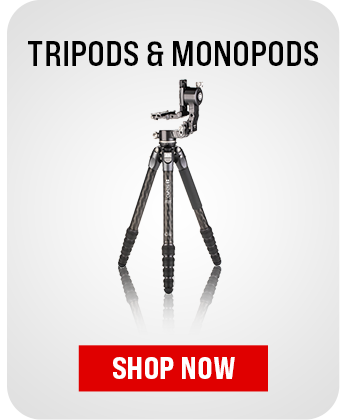
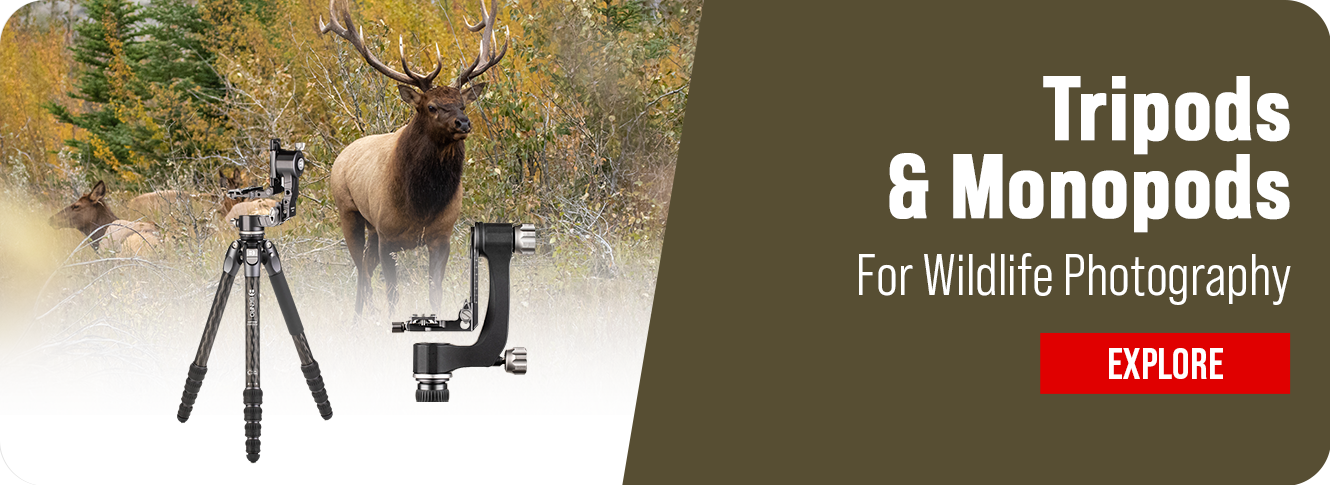
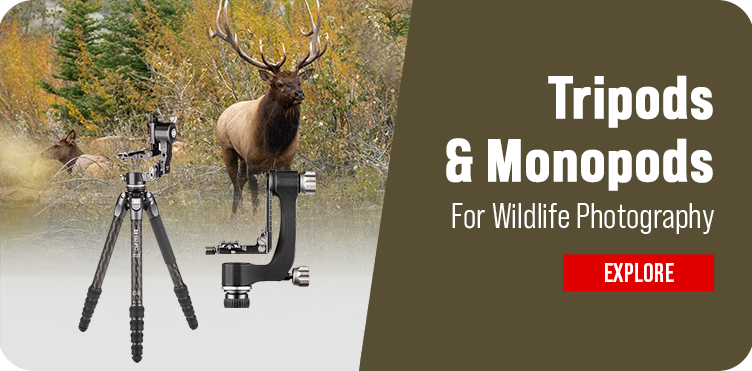
Tripods and Monopods: Nature is unpredictable and dynamic, making the stability of your camera extremely important if you want to capture wildlife shots. Tripods and monopods are essential nature photography tools that help give you an edge and ensure your photos come out sharp and clear. When using long telephoto lenses, tripods and monopods become doubly important. These supports steady your camera and give you the flexibility and endurance to capture blink-and-you-'ll-miss-it shots.
Selection: Look for sturdy, lightweight tripods and monopods for easy mobility in the wild.;
Material and Weight: Consider tripods and monopods made from materials like carbon fiber, which offer an excellent balance between strength and weight. Lightweight equipment is easier to carry during long treks in nature, but it should also be sturdy enough to support your camera and lens setup.;
Height and Compactness: Look for tripods that extend to a height that suits your shooting style and are compact enough when folded for easy transport. Similarly, a monopod should offer quick height adjustments to adapt to varying terrain and shooting angles.
Head Type: For smooth movement and framing, a quality tripod head can make all the difference in your photos. Ball heads offer quick adjustments and are suitable for dynamic wildlife scenes, while pan-and-tilt heads provide precise control for composed shots.
Memory Cards and Storage
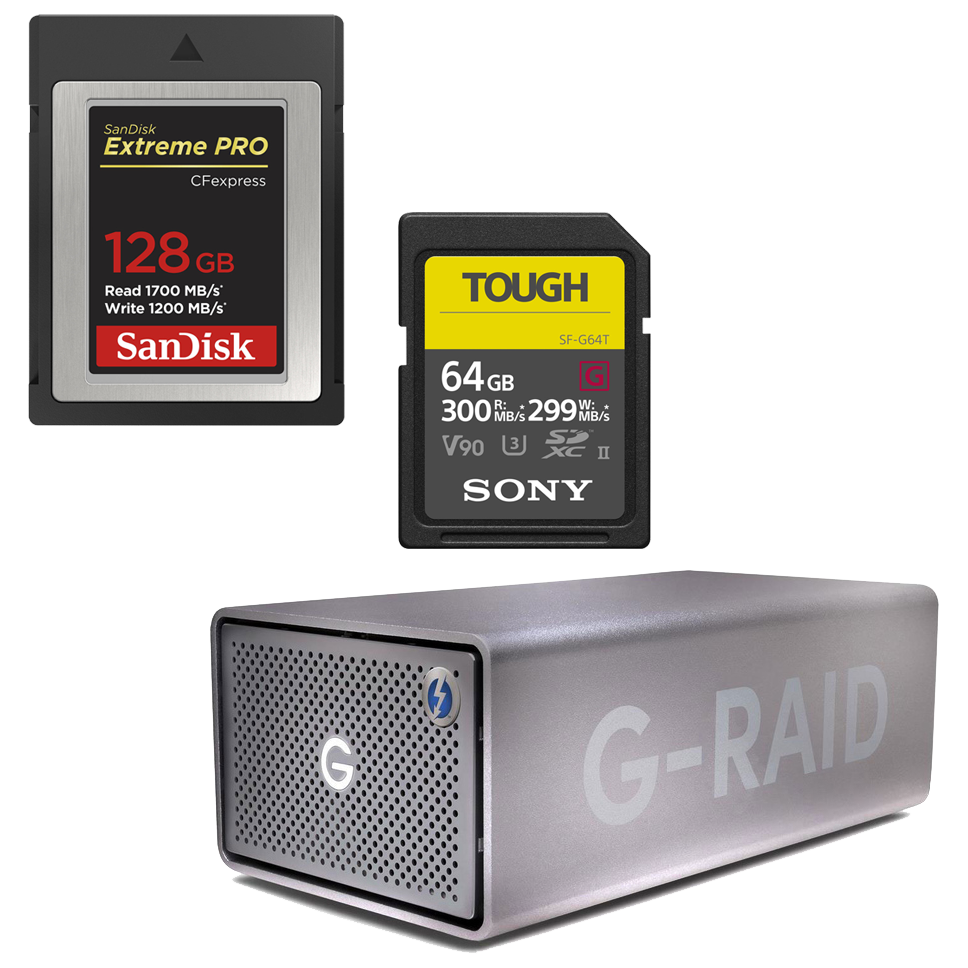
Wildlife photography burns through memory faster than most genres. Burst rates of 20 to 40 frames per second mean a single sequence can fill several gigabytes. Carry multiple high-speed memory cards with sustained write speeds rated for your camera's burst buffer, and rotate cards across a shoot rather than relying on a single large card. CFexpress Type A and Type B cards handle the highest burst rates on flagship bodies, while V60 and V90 SD cards cover most other mirrorless workflows.
Essential Accessories for Wildlife Photography
Camera Bags:
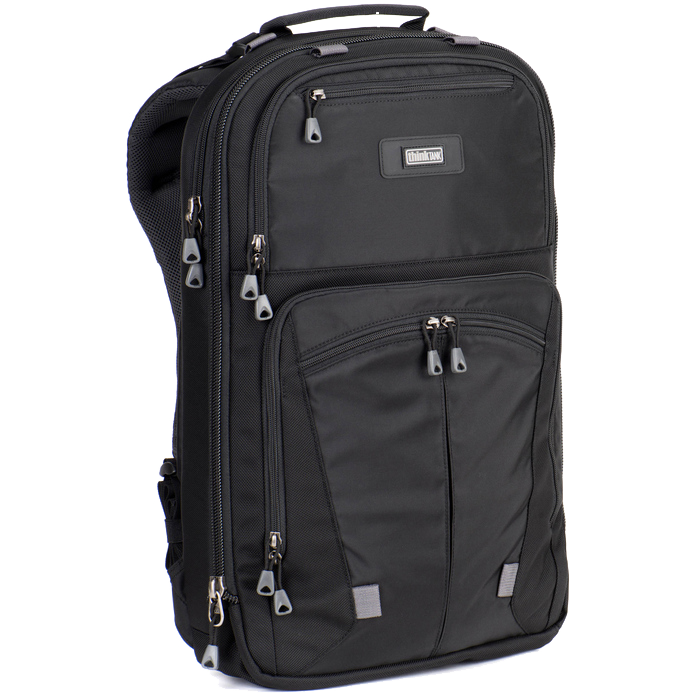
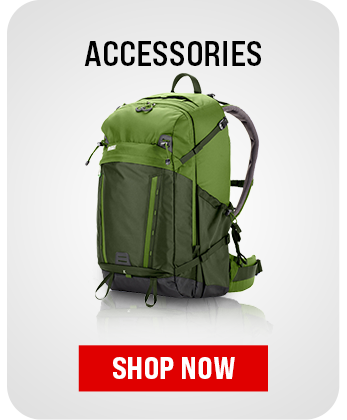
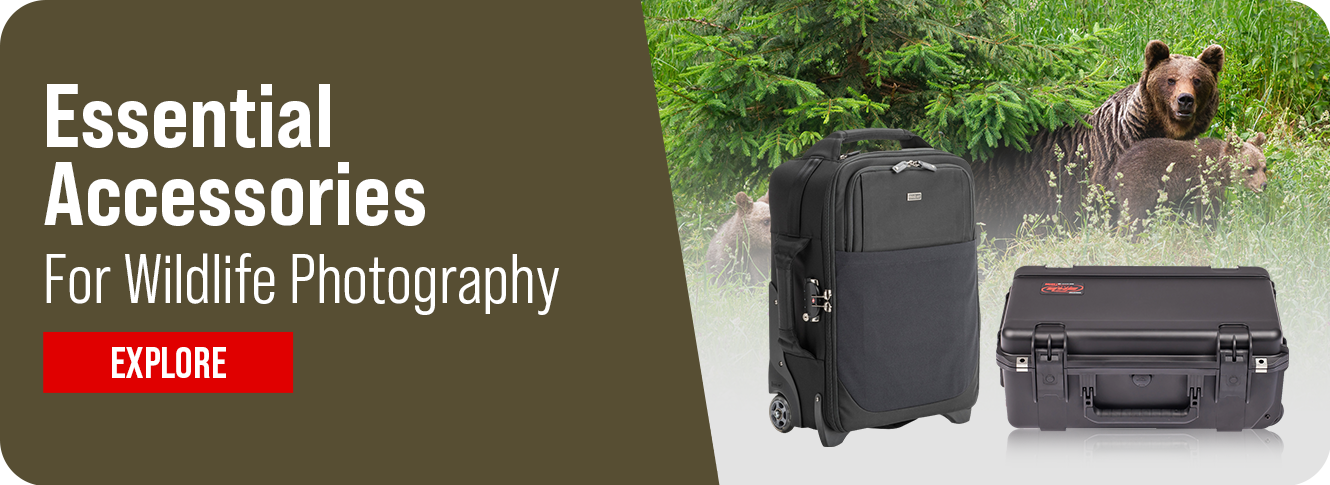
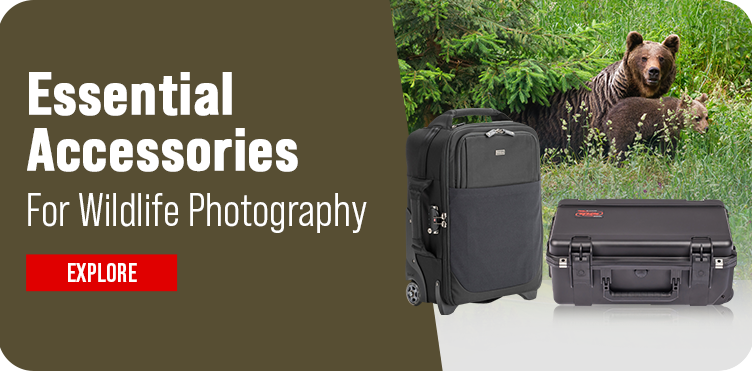
For wildlife photographers, shooting in the wild involves traversing through challenging terrains and weather conditions. Your camera gear must be well-protected and easy to carry during these adventures because you want to enjoy your surroundings, and not worry about babying your gear. Camera bags play a major role in ensuring your equipment's safety and your comfort during long treks into the wilderness.
Protection and Comfort: A high-quality camera bag doubles as storage and a shield against the elements. The best camera bags for wildlife photography offer a blend of robust protection and versatile storage options. Look for bags with weather protection features and ample padding to cushion your equipment against shocks and jolts. Adjustable compartments are a must as they allow you to customize the bag's interior based on your specific gear setup, whether you're carrying multiple lenses, a couple of camera bodies, or a mix of cameras and accessories
Additional Accessories:
Nature and animal photography is challenging and you need to give yourself every advantage you can. Adding some additional accessories to your bag can make sure you're prepared while waiting for the perfect shot to come along.
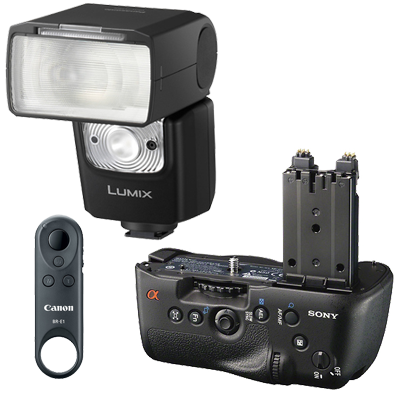
Battery Grips: Battery grips are vital for wildlife photographers who spend long hours in the field. They allow you to double your shooting time by holding extra power for your camera, reducing the need for frequent battery changes.
Remote Shutter Releases: Especially useful for wildlife photographers who need to wait patiently for the right moment, remote shutter releases are a great tool to keep in your bag. They allow for triggering the shutter without disturbing the camera or the wildlife.
Cleaning Kits: Cleaning kits are essential for maintaining the clarity and performance of your camera and lenses. Exposure to outdoor elements like dust, sand, and moisture is common in wildlife photography, making regular cleaning a necessity.
Who Uses Wildlife Photography Gear
Bird Photographers
Bird photography demands the longest reach of any wildlife discipline. A 600mm-equivalent focal length is typical, and small, fast-moving subjects reward high burst rates and reliable bird-eye autofocus. Lightweight carbon fiber tripods and heads help during long stationary shoots in blinds, while a sturdy gimbal head smooths the panning required to track birds in flight.
Safari and Big Game Photographers
Safari photographers shoot from vehicles and need versatile zoom ranges. A 100-500mm or 200-600mm zoom paired with a beanbag or monopod handles most game-drive situations. A weather-sealed body and dust-resistant camera bag protect gear from the conditions common in open-vehicle photography.
Backcountry and Trail Photographers
Photographers who hike to their subjects prioritize weight. APS-C bodies paired with a 100-400mm lens deliver wildlife-ready reach in a kit that fits comfortably in a backpack without crowding out water, layers, and food for a full day in the field.
Wildlife Photography Gear FAQs
What focal length is best for wildlife photography?
400mm to 600mm covers the majority of wildlife situations. Birds and shy mammals often require 500mm or longer, while larger or closer animals like safari subjects, deer, and foxes fit comfortably in the 200-400mm range. A 100-500mm or 200-600mm zoom is the most versatile single-lens kit for general wildlife work.
Do I need a full-frame camera for wildlife?
No. APS-C bodies are popular among wildlife photographers because the crop factor extends effective focal length without adding weight or cost. Full-frame bodies offer better high-ISO performance for dawn and dusk shooting, but a quality APS-C camera paired with a sharp telephoto produces results that hold up at large print sizes.
How fast does my camera need to shoot for wildlife?
10 frames per second is enough for most wildlife. 20 fps and above helps with birds in flight and other fast action. Buffer depth matters as much as raw frame rate. A camera that shoots 40 fps but stalls after one second of bursts is less useful than one that sustains 15 fps for ten seconds straight.
Is image stabilization important for wildlife photography?
Yes. In-body image stabilization combined with optical stabilization in the lens can deliver 4 to 8 stops of correction, which lets you handhold long telephoto lenses at slower shutter speeds. Stabilization helps most with stationary subjects. For action in good light, plan on a shutter speed of 1/1000 second or faster regardless of stabilization.
What memory cards should I use for wildlife photography?
Use cards rated at V60 or V90 for SD, or CFexpress Type A or Type B depending on camera support. High burst rates fill buffers fast, and slow cards stall the buffer mid-sequence. Match the card to your camera body's maximum write specifications.
How do I get close to wildlife without disturbing it?
Long telephoto lenses are the gear answer. Beyond gear, fieldcraft matters: move slowly, stay downwind, use natural cover, and learn animal behavior so you can anticipate movement rather than chase it.

Pre-Owned, Open Box & Collectibles
Get the best deals on top Photography models & collectibles
Conclusion:
Wildlife photography is a journey of patience, skill, and respect for nature. Selecting the right camera, lens, and accessories is essential to capture the beauty and diversity of wildlife effectively. Embrace the challenge, and use your equipment to turn your passion for wildlife into stunning photographs that tell the stories of nature.
Shop Other Gear for Wildlife Photography