



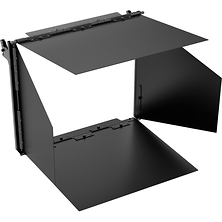
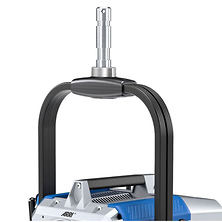
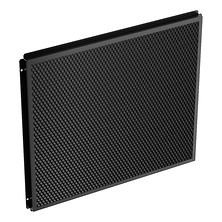
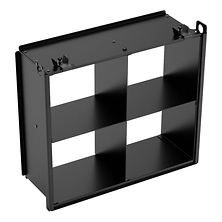
Studio & Lighting Equipment for Professional Photography and Video
Professional studio lighting transforms creative vision into reality. Quality gear controls mood, shapes form, and solves technical challenges no camera alone can address. Studio and lighting equipment encompasses strobes, continuous LED panels, stands, modifiers, and grip equipment. For portrait photography, product work, and video production, proper lighting multiplies camera capabilities.
Studio lighting gives photographers and videographers precise control over light direction, quality, and intensity. Unlike natural light, studio systems are repeatable, portable to any location, and scalable to productions of any size. Whether you're capturing studio portraits, product photography, or on-location video production, the right lighting setup shapes how your audience sees and feels your work.
Samy's Camera carries professional-grade equipment from industry-leading manufacturers. Our selection spans single-light setups for home photographers to multi-light systems for production facilities. Every kit includes light sources, stands, grip equipment, and modifiers.
Types of Studio Lighting Systems
Modern studio lighting divides into two primary categories. Strobe (flash) lighting delivers intense bursts that freeze motion and work reliably in bright environments. Continuous lighting sources stay on, letting you see light placement before shooting. LED panels offer cool operation and low power draw; tungsten and halogen deliver warm color and high output.
Beyond the light sources themselves, portable strobe lighting kits combine flash heads, stands, and modifiers into systems that travel on location. Strobe lighting at the studio level includes monolight heads, pack-and-head systems, and power supplies that support larger setups. Continuous lighting systems range from single LED panels to multi-light tungsten rigs. Each approach solves different creative and technical requirements.
- Monolight strobes: self-contained flash heads with built-in power and modeling lamps
- Pack-and-head systems: separate power supplies driving multiple light heads for high power and complex control
- Portable strobe kits: compact, travel-friendly flash systems with stands and modifiers included
- LED continuous panels: variable color temperature, dimmable output, efficient power consumption
- Tungsten and halogen lights: warm, high-output continuous sources favored for warm color balance and dramatic modeling
Light Modifiers and Shaping Tools
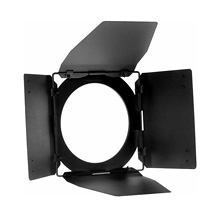
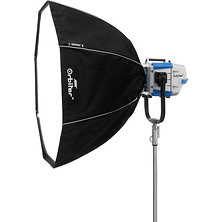
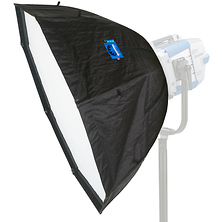
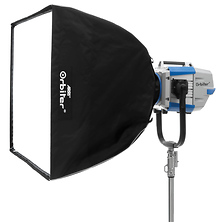
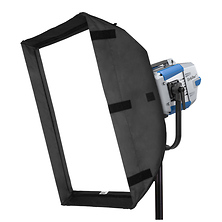
Every studio light needs modifiers to shape, soften, or direct its output. Reflectors bounce and redirect light. Softboxes diffuse harsh light into soft, directional fill. Octaboxes create wraparound softness with minimal shadows. Beauty dishes produce specular highlights with soft falloff. Umbrellas provide quick, portable diffusion. Each modifier changes how light interacts with your subject, from dramatic, contrasty looks to flat, even illumination.
Beyond modifiers, light stands and grip equipment position lights at precise angles and heights. Light stands range from compact tabletop models to heavy-duty studio stands rated for large softboxes and reflector arms. Boom arms extend lights over subjects. C-stands offer adjustable leg positions for complex rigging. Grip clamps secure modifiers and reflectors.
- Softboxes: variable sizes and shapes for soft, directional light
- Reflectors: bounce light to fill shadows and redirect existing illumination
- Beauty dishes: hybrid modifiers combining specular highlights with soft surrounds
- Umbrellas: quick-setup diffusion for location work or studio fill light
- C-stands and grip equipment: professional-grade positioning and rigging
Strobe Lighting Systems and Power Options
Strobe systems scale from battery-powered on-location flash to studio monolights to high-powered pack systems. Monolight strobe heads and kits are self-contained units combining flash tube, reflector, and power supply. They work independently or linked together for flexible setups.
Pack-and-head strobe systems separate power from the light head, allowing multiple heads to run from one pack. This scales to high power levels and supports workflows where consistent output across multiple lights matters. Recycle time ranges from under one second on studio heads to several seconds on fast-recycling systems. Power output ranges from 100 watt-seconds on portable systems to 6400 watt-seconds on the most powerful studio packs.
Strobe light modeling bulbs let you see light placement before shooting. Most strobes include built-in tungsten bulbs that approximate the final light pattern.
Continuous Lighting for Video and Photo
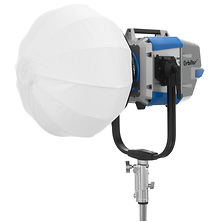
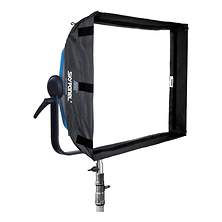
LED panels have transformed continuous light sources. Modern panels offer variable color temperature, dimmable output, and high efficiency in cool, power-efficient packages. Panel sizes range from 1x1 ft accent units to 4x4 ft fixtures for key light. Tungsten sources remain popular for warm light and color consistency.
Continuous light lets you see exactly what light falls on your subject before shooting. Real-time feedback simplifies setups, especially for video. LED panels and tungsten lights offer flicker-free output for professional results.
Who Uses Studio and Lighting Equipment
Portrait photographers use studio strobes and modifiers to sculpt flattering light that brings out skin tones and catches eyes. The controlled environment of a studio with consistent, reproducible lighting makes portraiture faster and more predictable than working entirely with available light.
Product photographers rely on studio setups to showcase details and color. Multiple lights and modifiers eliminate distracting shadows and reveal product surfaces exactly as needed. E-commerce photography depends on studio lighting's consistency.
Commercial videographers and content creators use continuous LED lighting for interviews and corporate video. LED systems make them practical for fast-turnaround production. Hybrid workflows combine studio strobes for photo with continuous LED for video. On-location photographers also rely on flashes and accessories that complement studio strobes.
Educators and live streamers use continuous LED panels for clean illumination. Tabletop kits pair lighting with tripods and heads for affordable setups without dedicated studio space.
Frequently Asked Questions
What is the difference between strobe and continuous lighting?
Strobes produce brief bursts and freeze motion. Continuous lighting stays on, letting you see placement before shooting. Strobes work best for motion freeze; continuous sources work better for video. Both have practical uses depending on your workflow.
How do I choose between portable and studio strobe systems?
Portable kits prioritize lightweight designs for location work with stands, umbrellas, and cases. Studio strobes prioritize power and multi-head sync. For location work, portable kits are practical. For dedicated studios, monolight heads or packs offer more flexibility.
What size softbox should I buy for a home studio?
For portraits in a typical home studio (8-12 feet), a 24-36 inch softbox works as key light. Smaller 16-24 inch sizes work for fill light or product work. Larger 48+ inch softboxes create soft light but require sturdy stands and more power. Start mid-size and expand as your style develops.
Do I need a modeling light on a studio strobe?
Modeling lights help you see placement before shooting. They draw power and create heat, so many photographers disable them once they understand their rig.
How do I transport studio lighting safely?
Hard cases protect expensive heads; soft cases work for everyday transport. Stands pack into dedicated bags, light heads into padded cases. Sandbags stabilize stands on location. Always secure equipment properly in vehicles to prevent shifting.
Shop Studio & Lighting Equipment at Samy's Camera
Professional equipment gives you control over every element of your image. Samy's Camera carries trusted brands and gear for portrait setups to production rigs. Browse online or visit a location.