

Birding Is Having a Moment
Birding has grown enormously in popularity in recent years. According to the U.S. Fish & Wildlife Service, 96 million people in the United States, or 37% of Americans age 16 and older, took part in birding in 2022, and technology has made it easier than ever to get started. What's especially noticeable is the surge of interest among younger birders. The Cornell Lab of Ornithology has helped build a network of resources specifically for high-school birders, and Audubon has highlighted youth birding clubs that give teenage birders a community of their own.
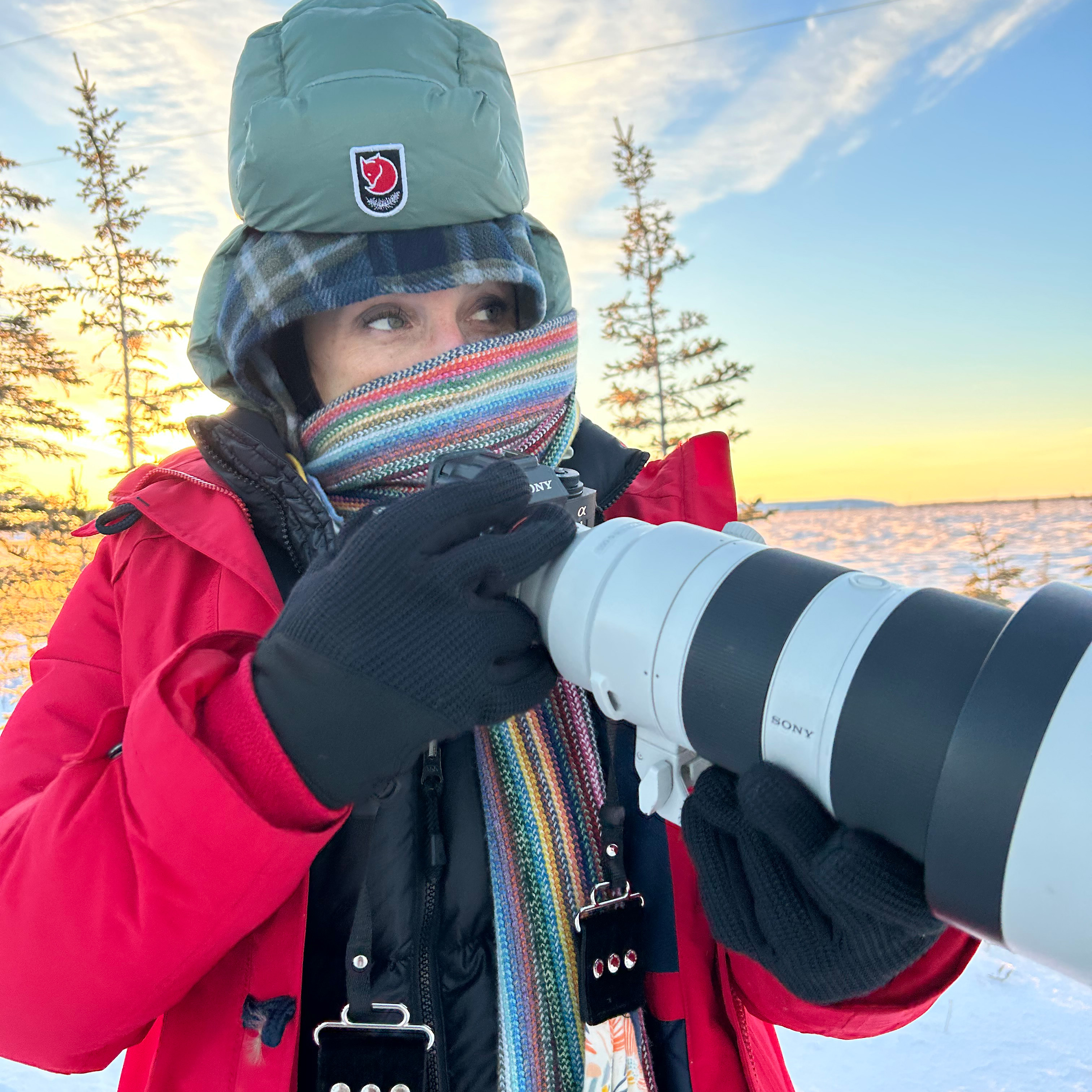
Apps such as Merlin, social media, and increasingly capable mirrorless cameras have helped turn birding into something that feels accessible, social, and creative, not simply a traditional nature-watching pastime. For photographers in particular, birding is a natural fit: it combines time outdoors, the challenge of finding and identifying species, and the satisfaction of coming home with a great image.
Getting Started Is Easier Than It Looks
Bird photography can look intimidating at first. You see stunning photographs of eagles in flight, owls at dusk, or tiny songbirds frozen perfectly in midair and assume you need years of experience, an expensive camera, and a trip to some remote wildlife refuge.
You don't.
One of the best things about bird photography is that you can start almost anywhere, including your own backyard, neighborhood park, or local walking trail. Birds are all around us, and learning to photograph them is a great way to improve your photography while becoming more aware of the natural world.
Here's how to get started, what gear to consider, where to find birds, and how to build your skills as you progress.
Start With the Right Gear, But Not the Most Expensive Gear
Bird photography does place some unique demands on your equipment. Birds are often small, far away, fast-moving, and unpredictable, so autofocus performance and telephoto reach matter more here than they do in many other types of photography.
But you don't need to begin with a professional flagship camera and a giant prime lens.
A good approach is to start with equipment that is manageable and affordable, but capable enough that you can continue using it as your photography improves.
What to Look for in a Bird Photography Camera
For someone getting started, look for a mirrorless camera with:
- Reliable continuous autofocus
- Animal or bird eye-detection autofocus
- A reasonably fast continuous shooting rate
- Good performance at higher ISO settings
- A comfortable grip for use with longer lenses
- Access to a good selection of telephoto lenses
APS-C cameras can be particularly appealing for bird photography because their smaller sensors provide a narrower field of view with a given lens, making distant birds appear larger in the frame.
Full-frame cameras provide excellent image quality, low-light performance, and more flexibility as your photography becomes more advanced.
Start With a Versatile Telephoto Zoom
For most new bird photographers, the lens is at least as important as the camera.
Rather than starting with a large, expensive prime lens, consider one of the zoom telephoto lenses built for wildlife. Lenses in ranges such as 100 to 400mm, 100 to 500mm, 150 to 600mm, 180 to 600mm, or 200 to 600mm give you the reach needed for birds while still allowing you to zoom out when a subject gets closer.
A zoom also makes learning easier. Birds rarely stay where you expect them to, and being able to quickly change your framing can make the difference between getting the photograph and missing it.
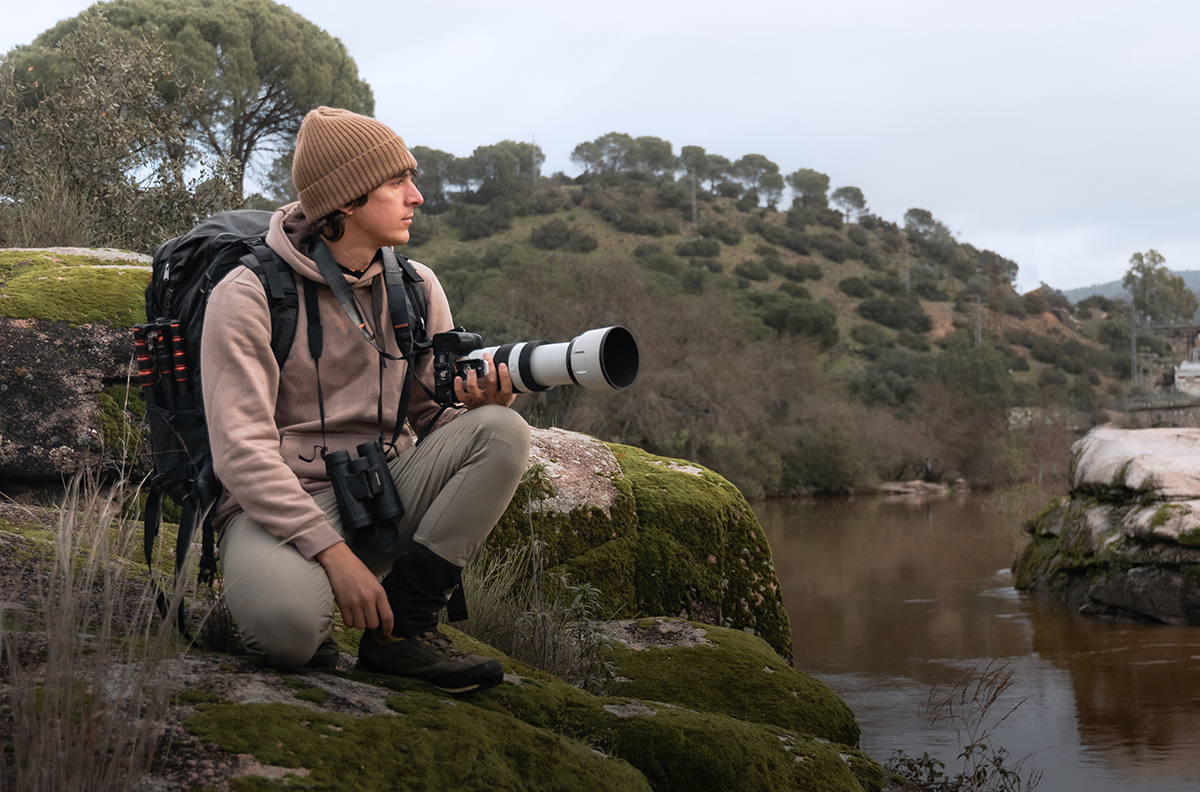
A monopod can be useful with heavier lenses, although many modern camera and lens combinations can be comfortably used handheld. A comfortable camera strap, extra batteries, and high-capacity memory cards are also worthwhile additions.
For a deeper look at cameras, lenses, and accessories for wildlife photography, take a look at Samy's Camera's Wildlife Photography Buyer's Guide.
What Does Advanced Bird Photography Gear Look Like?
As you become more serious about bird and wildlife photography, autofocus speed, subject recognition, burst performance, resolution, and low-light image quality become increasingly important.
Three of the most capable choices for advanced bird photographers are:
Sony Alpha 1 II
The Sony A1 II is designed for photographers who need both speed and resolution. Its sophisticated subject-recognition autofocus, high-resolution sensor, and fast continuous shooting capabilities make it particularly well suited to birds in flight and fast action.
Pair it with a lens such as the Sony FE 200-600mm G, the FE 100-400mm GM, or one of Sony's professional super-telephoto lenses and you have a system capable of handling virtually any type of bird photography.
Canon EOS R5 Mark II
The Canon EOS R5 Mark II combines high resolution with advanced autofocus and very strong subject detection. It is an excellent choice for photographers who want detailed wildlife images while retaining enough speed for birds in flight.
Canon also offers a broad range of RF super-telephoto options, from relatively lightweight lenses designed for handheld shooting to professional primes.
Nikon Z8 and Z9
The Nikon Z8 and Nikon Z9 share much of the same underlying imaging technology and are excellent choices for serious bird photographers.
Both offer sophisticated subject-detection autofocus, fast shooting, high-resolution files, and access to Nikon's growing lineup of Z-mount wildlife lenses. The Z8 suits photographers who want that capability in a smaller body they can carry all day, while the Z9 is designed for photographers who prefer an integrated vertical grip, maximum battery endurance, and a more substantial professional body.
You certainly don't need cameras at this level to get started, but they demonstrate how far you can grow within a modern mirrorless system.
Where Do You Find Birds to Photograph?
You may be surprised by how little traveling is required.
Start by simply looking around your neighborhood.
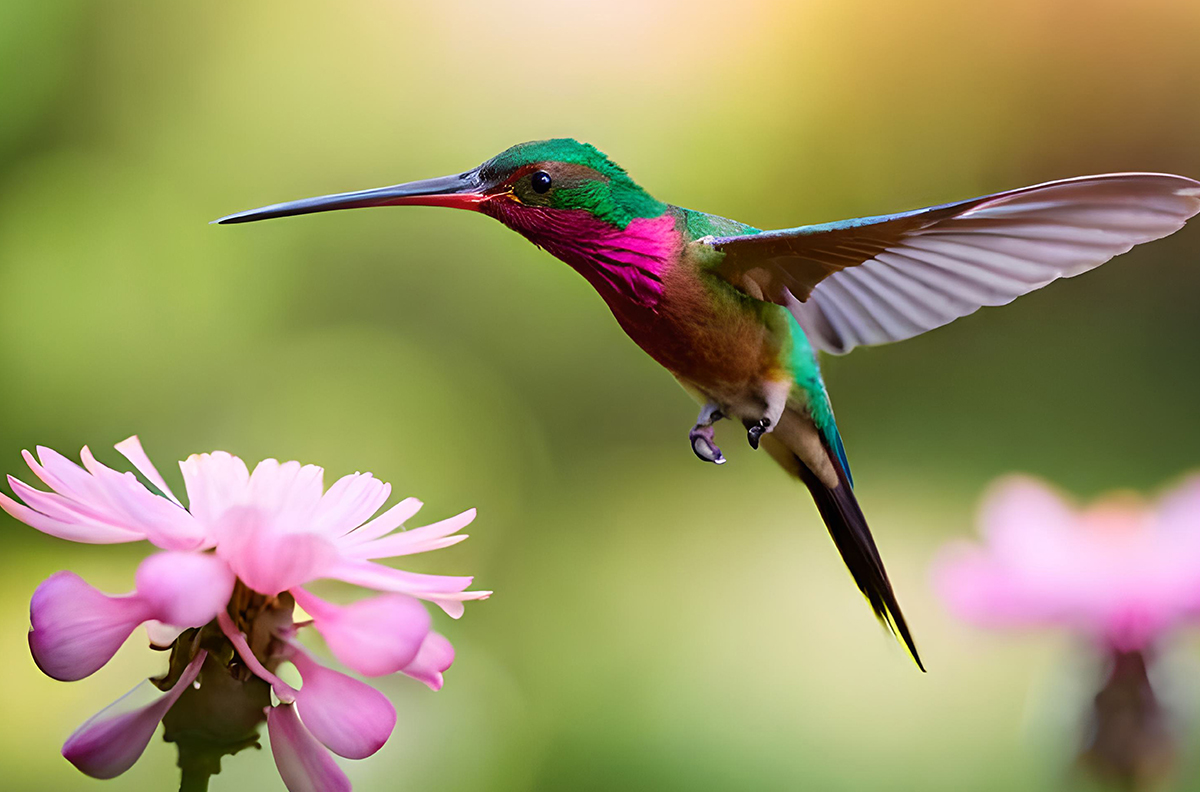
Backyards, trees along residential streets, city parks, golf courses, ponds, beaches, and hiking trails can all offer excellent bird photography opportunities. You may find hummingbirds, hawks, finches, woodpeckers, ducks, herons, and egrets surprisingly close to home.
One particularly useful tool is the Merlin Bird ID app from the Cornell Lab of Ornithology.
Merlin can help identify birds by appearance and even by sound. Turn on Sound ID while sitting in your backyard or walking through a park and you may discover that there are many more species around you than you realized.
Once you begin recognizing bird calls, you often hear a bird before you see it, which can be an enormous advantage for photography.
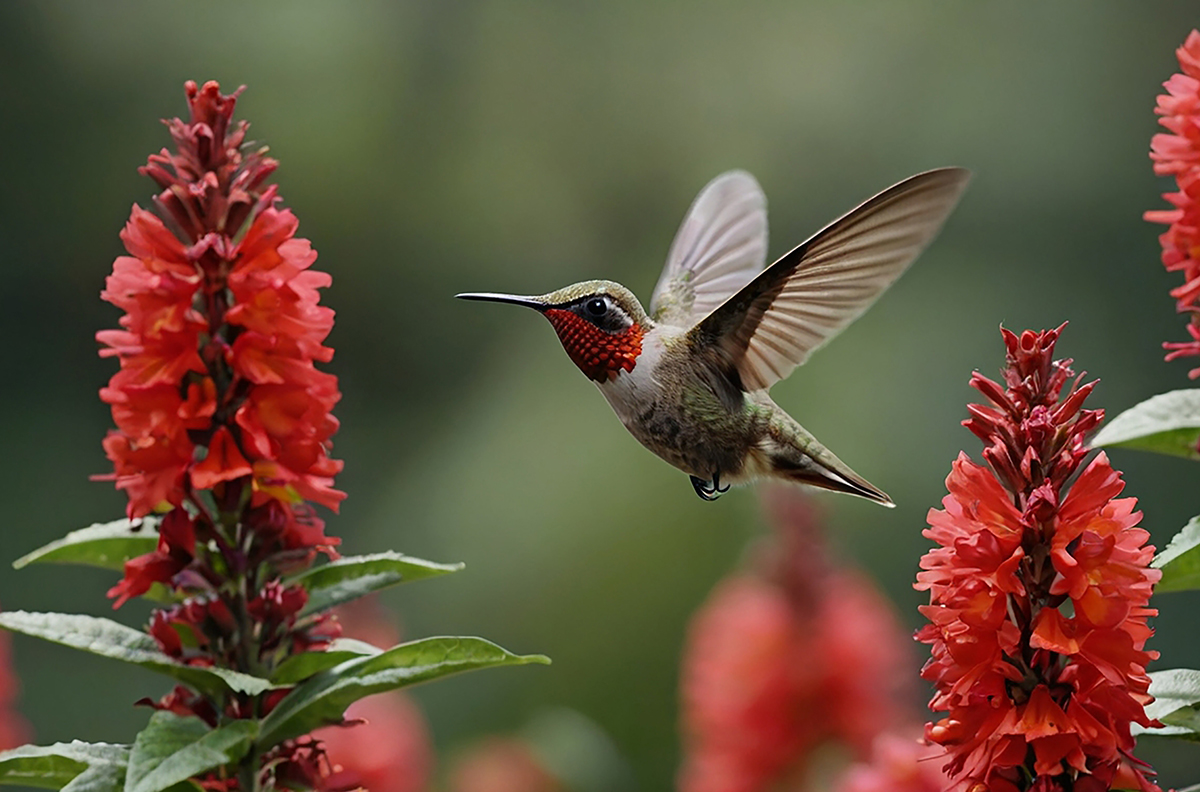
You don't need to begin by traveling to Yellowstone, Alaska, or Africa. Learning to photograph a hummingbird in your garden or a hawk in a neighborhood tree teaches many of the same skills you will eventually use when photographing wildlife farther from home.
Learn the Birds, Not Just the Camera
One of the secrets to better bird photography has surprisingly little to do with photography.
Learn bird behavior.
The more you understand what a bird is likely to do next, the easier it becomes to anticipate a photograph.
Watch for patterns:
- Where does the bird usually land?
- Which direction does it take off?
- Does it repeatedly return to a particular branch?
- Is it feeding?
- Is it hunting?
- Is it interacting with another bird?
- Does it become active at a particular time of day?
Instead of chasing a bird around with your camera, find a good position and watch.
Often the best wildlife photographers aren't reacting faster than everyone else. They simply anticipated what was about to happen.
Learn the Photography Basics First
Modern cameras can do extraordinary things, but understanding a few fundamental photography concepts will improve your bird photography dramatically. You should become comfortable with the five below.
Shutter Speed
Birds move quickly. A perched bird may be photographed at a relatively moderate shutter speed, while birds in flight often require something closer to 1/1600 or 1/2000 second, or even faster. Small, quick birds often need faster still.
Aperture
Wider apertures can help separate the bird from a distracting background while allowing more light to reach the sensor.
ISO
Don't be afraid to increase ISO when necessary. A sharp photograph with some noise is usually preferable to a perfectly clean photograph that is blurred because your shutter speed was too slow.
Continuous Autofocus
For moving birds, continuous autofocus combined with bird or animal subject detection can dramatically improve your keeper rate.
Continuous Shooting
Birds change wing position, head position, and expression in fractions of a second. Shooting short bursts gives you several moments from which to choose.
Take a Photography Class
One of the fastest ways to improve is to spend a little time learning the fundamentals with an instructor.
Samy's Photo School offers photography classes for beginners through experienced photographers. If you're still learning shutter speed, aperture, ISO, autofocus, exposure, or how to operate your camera, a general photography class can give you the foundation you need before heading into the field.
Once you're comfortable with the basics, consider taking a class or workshop specifically focused on nature and wildlife photography.
Samy's Photo School also offers Travel, Nature, Adventure & Photo Walks classes and workshops, including opportunities to learn photography in the field.
There is a big difference between learning about wildlife photography and actually standing outdoors with an instructor while trying to photograph a moving animal. Field workshops give you the opportunity to ask questions as situations develop and learn techniques that can be difficult to understand in a classroom alone.
Start Close to Home and Give Yourself a Project
A great way to begin is to create a simple challenge for yourself.
Spend a month photographing birds within a few miles of your home.
Use Merlin to identify the species you encounter and try to photograph ten different birds. Don't just try to get a photograph of each one. Try to improve the photograph each time.
Look for:
- Better light
- Cleaner backgrounds
- Eye contact
- Interesting behavior
- Birds in flight
- Feeding
- Interaction between birds
- Environmental portraits that show the bird in its habitat
Before long, you'll start noticing birds everywhere.
Don't Forget the Light
Just like portrait or landscape photography, bird photography is largely about light.
Early morning is often one of the best times to photograph birds. Birds are active, the air is cooler, and the light tends to be softer and warmer.
Late afternoon can also be excellent.
Try to position yourself so the light falls on the bird rather than leaving the bird in shadow. Even a common bird can make an extraordinary photograph when photographed in beautiful light against a clean background.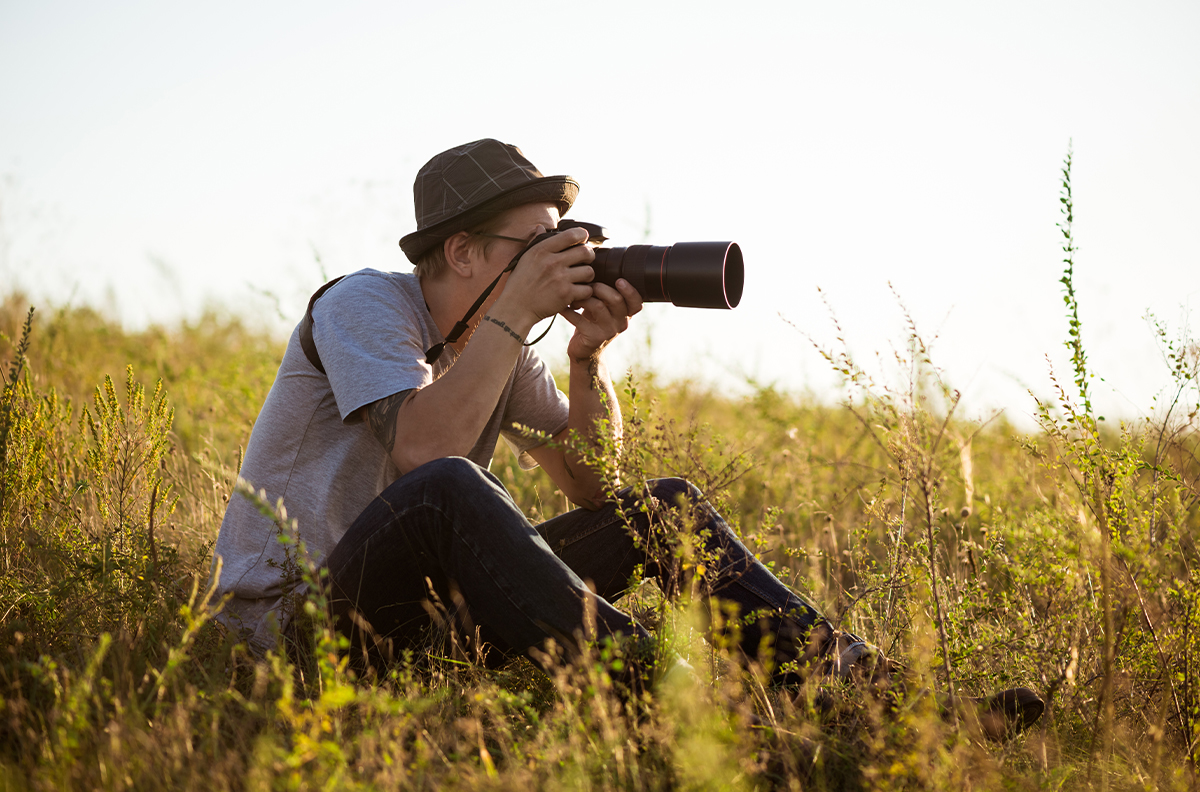
The Best Camera Is the One That Gets You Outside
It's easy to become focused on equipment in bird photography because there is always a longer lens or faster camera available.
But equipment doesn't teach you where a bird will land, how it will behave, or when the light will be beautiful.
Start with equipment that fits your budget, learn how to use it well, and spend time outside.
As your skills improve, you will begin to understand exactly what limitations your current equipment is creating, and that is the right time to upgrade.
Whether you're buying your first telephoto lens or building a professional wildlife system around a Sony A1 II, Canon R5 Mark II, Nikon Z8, or Nikon Z9, the team at Samy's Camera can help you compare cameras and lenses and choose a system that makes sense for the way you want to shoot.
You can shop online at Samys.com, or visit Samy's Camera in Los Angeles, Pasadena, or Santa Ana to see and handle the equipment in person.
Then download Merlin, grab your camera, walk outside, and start looking up.
You may be surprised by how much wildlife has been around you all along.
Frequently Asked Questions
What shutter speed should I use for birds in flight?
Start around 1/1600 or 1/2000 second and go faster if wings still look soft. Small, quick birds often need faster still. A perched bird can usually be photographed at a slower shutter speed.
What focal length do I need for bird photography?
Most bird photographers work with a telephoto zoom that reaches 400mm to 600mm, which gives you reach while still letting you pull back when a bird lands close.
Do I need a tripod for bird photography?
Not to get started. Many modern camera and lens combinations are light enough to use handheld, which makes it easier to follow a moving bird. A monopod helps support a heavier lens on long outings.
Should I bring binoculars for bird photography?
Many bird photographers do. A pair of binoculars lets you scan a tree line or shoreline and find a bird without lifting a heavy camera and lens every time something moves.
What app can identify birds by sound?
Merlin Bird ID, a free app from the Cornell Lab of Ornithology, identifies birds by sound with its Sound ID feature. It can also suggest an ID from a photo.