

















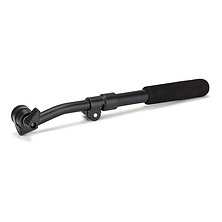

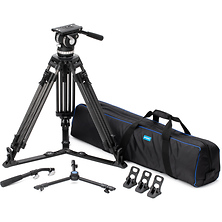
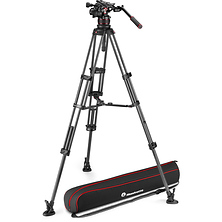









Video Tripods for Every Budget and Workflow
Smooth pans and tilts are the foundation of professional video production. A video tripod with fluid head gives your footage the controlled, polished motion that separates home videos from broadcast content. Whether you're shooting cinema, documentaries, or corporate videos, the right tripod system handles your camera's weight while delivering the fluid drag and counterbalance you need for predictable performance.
Professional systems range from entry-level production packages to cinema-grade rigs used on major sets. Fluid heads manage pan and tilt resistance independently, so your camera stays steady even when you adjust framing mid-shot. Counterbalance steps let you fine-tune the tripod to your camera's exact payload, preventing drift or sudden drops. Professional tripods typically support payloads from 10 pounds to 50+ pounds, with 75mm, 100mm, and 150mm bowl sizes depending on the system's stability class.
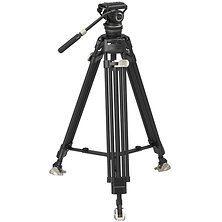
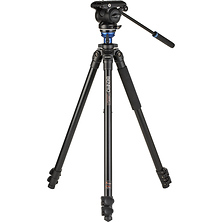
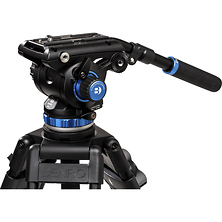
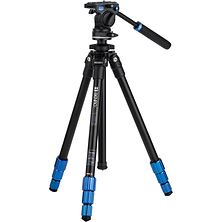
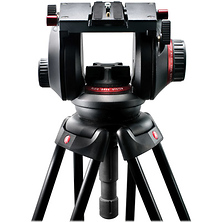
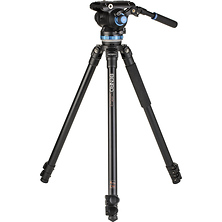
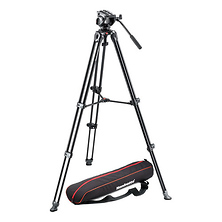
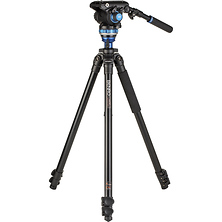
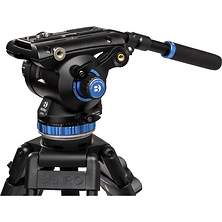
Kits from Manfrotto bundle a tripod, fluid head, and spreader for quick setup on location. Standalone fluid heads like the Benro fluid head systems upgrade an existing tripod when you need more precision. Carbon fiber legs reduce weight for handheld setup while maintaining rigidity, making them ideal for run-and-gun documentary work.
Fluid Heads and Pan/Tilt Control
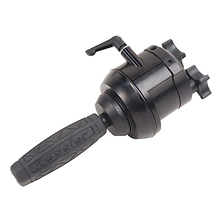
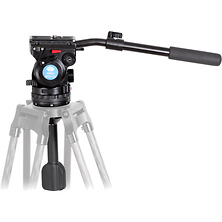
Fluid heads contain oil damping that creates smooth resistance during pan and tilt movements. Adjustable pan and tilt drag lets you set different resistance levels for horizontal and vertical motion. A tight tilt drag prevents your camera from sagging under its own weight, while a loose pan drag gives you freedom to reframe quickly. Counterbalance, measured in steps, matches your camera's weight so the head neither sags nor tips backward when you release the pan handle. Professional fluid heads offer 5 to 20 counterbalance positions.
Payload capacity determines how much gear your tripod safely supports. A cinema camera with lenses, matte box, and wireless receiver can easily exceed 30 pounds. Tripods rated below this weight will struggle to maintain balance, resulting in shaky footage and accelerated head wear. Manfrotto, Benro, and Vinten build fluid heads for specific payload ranges, so you pick the right tool instead of undersizing.
Tripod Leg Materials and Types
Aluminum tripod legs offer affordability and durability for studio work where weight is less critical. Carbon fiber legs cost more but weigh 30 to 50 percent less, reducing fatigue during location shoots where you carry gear up stairs or across uneven terrain. Benro offers dual-leg-type options, letting you lock legs at 25, 50, and 75 degrees for ultra-low angles or compact storage.
Single-stage legs extend with a twist lock or lever. Multi-stage legs (usually three or four) fold shorter and extend higher, trading speed for compactness. Professional tripods use stage counts to balance stability, height range, and portability.
Beyond Sticks: Sliders, Jibs, and Monopods
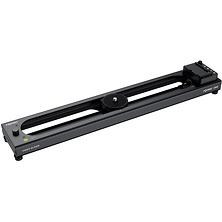
Tripods are just one category in video support equipment. Slider systems mount on tripod heads and move the camera laterally for parallax effects. Jib arms extend far beyond the tripod's footprint for overhead shots. Monopods offer one-legged support for mobile shooting, trading stability for speed. Each tool solves a specific production problem.
Video Lighting setups often use tripod heads as mounting points, so your lights track with your camera. Light Stands & Grip Equipment complement tripods for multi-light rigs.
Who Uses Video Tripods and Fluid Heads
Broadcast and news crews rely on tripods for rock-solid camera placement during interviews and live-to-tape shooting. Documentary filmmakers move between locations, so they prioritize carbon fiber legs and quick-release plates. Cinema production uses the heaviest tripods and most robust fluid heads because the camera package can weigh 50+ pounds with lens and rigs attached.
Corporate video producers balance budget with usability, often choosing mid-range kits that don't break the bank but deliver smooth, repeatable pans. Online creators shooting on compact mirrorless systems can get by with lighter tripods, freeing budget for glass and audio gear instead.
Video Tripod Accessories and Integration
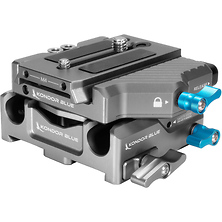
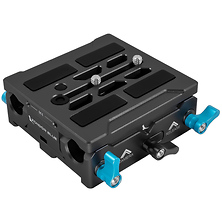
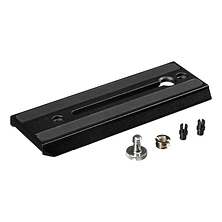
Quick-release plates attach your camera to the tripod head, letting you swap cameras without fussing with mounting screws. Tripod Mount Rings stabilize long lenses. Tripod Bags protect your investment during transport.
Spreaders or triangle braces lock tripod legs at a fixed angle, preventing leg creep during long shots. Fluid heads integrate with wireless follow focus systems and motorized pan/tilt controllers for automated motion. Gimbals offer handheld alternatives when tripods are impractical.
Tripods also pair with Rolling Cases & Bags for kit protection during production.
FAQ
What's the difference between a tripod head and a ball head?
Tripod heads (fluid or pan/tilt heads) let you lock pan and tilt independently, giving you precise control over each axis. Ball heads offer unlimited tilt angles from a single adjustment, prioritizing flexibility over precision. For video, fluid heads are standard because you need repeatable, smooth motion.
How much payload capacity do I need?
Add up your camera body, largest lens, matte box, follow focus, wireless receiver, and any on-board monitors. If the total is 15 pounds, pick a tripod rated for at least 20 pounds to avoid stress on the head. Undersizing leads to sagging and premature wear.
Should I buy a carbon fiber or aluminum tripod?
Aluminum tripods are less expensive and stable enough for studio work. Carbon fiber tripods weigh less and absorb vibration better, making them ideal for location work where you carry gear between setups. If budget is tight and you stay in one place, aluminum suffices.
What's counterbalance and why does it matter?
Counterbalance is a spring or weight adjustment that offsets your camera's weight on the fluid head. The right counterbalance setting prevents the camera from tilting backward or sagging when you release the pan handle. It's essential for smooth, hands-free operation during long shots.
Can I use a photo tripod for video?
Photo tripods with ball heads can work in a pinch, but they lack the smooth, repeatable pan and tilt control of video tripods. Video requires predictable head damping and independent axis locking. Invest in a fluid head tripod for professional results.
What bowl size do I need?
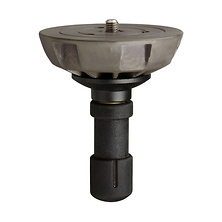
75mm bowls fit lighter rigs under 10 pounds. 100mm bowls handle payloads up to 30 pounds. 150mm bowls support cinema rigs over 40 pounds. Match the bowl size to your tripod head's rated capacity.
Shop Video Tripods at Samy's Camera
From compact carbon fiber sticks to broadcast-grade fluid head systems, Samy's Camera carries the video tripods and supports professionals trust. Browse kits bundled with fluid heads and spreaders, or build your own system with standalone heads. All items ship from our warehouse or local store locations. Visit Store Locations to pick up today or order online for fast delivery.
Explore more video production gear: Video & Audio for microphones and recorders, Digital Cinema Cameras for imaging tools, and Video Monitors & Viewfinders for on-set monitoring.