
















Types of Light Stands for Photography and Video
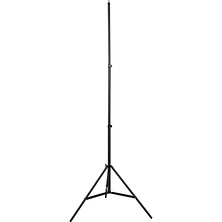
Light stands are the foundation of any photography or video lighting setup. Whether you're building a professional studio or running location shoots, the right stand keeps your fixtures stable, secure, and positioned exactly where you need them. From compact designs that travel easily to heavyweight stands that support large lighting rigs, light stands come in configurations built for specific uses and load requirements.
Understanding the different stand types helps you choose the right tool for your lighting setup.
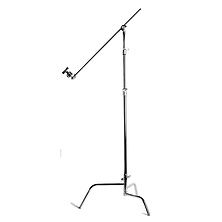
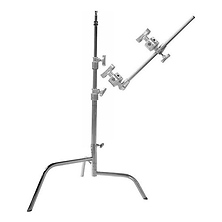
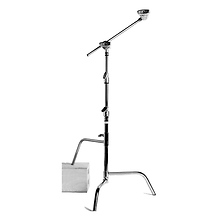
C-Stands (Century Stands)
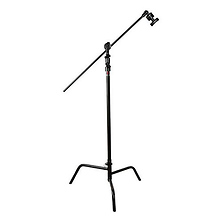
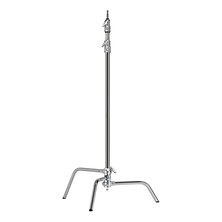
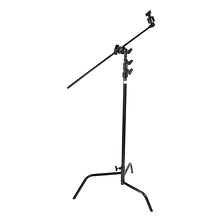
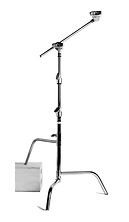
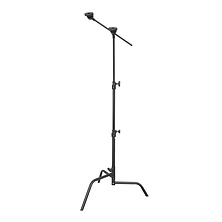
C-stands are industry workhorses used in studios, on-set production, and location work. They feature a distinctive C-shaped base with sliding legs that lock into position, offering exceptional stability and a compact footprint. Kupo C-stand kits support loads ranging from 11 to 26.5 lbs, making them ideal for mounting small to medium light fixtures, flags, and reflectors. C-stands excel when floor space is limited and you need precise horizontal and vertical positioning.
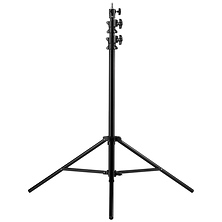
Air-Cushioned Light Stands
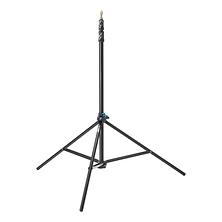
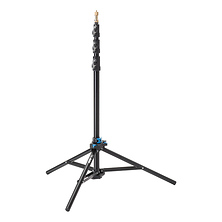
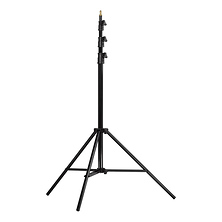
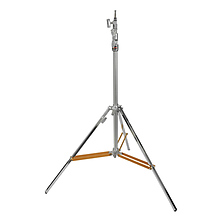
Air-cushioned stands use internal springs to reduce the impact of heavy fixtures lowering onto the base, protecting both your equipment and the floor. Westcott air-cushioned stands reach up to 8 feet and absorb shock as lights are adjusted, extending the lifespan of your gear. These stands are essential for fast-paced studio work where lights move frequently throughout a shoot.
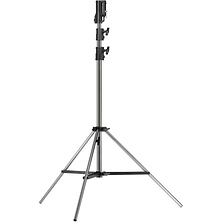
Overhead Roller Stands
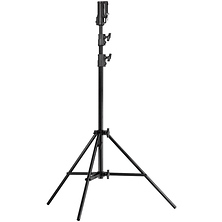
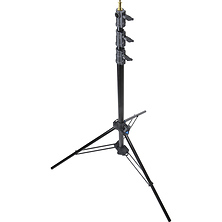
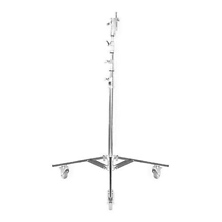
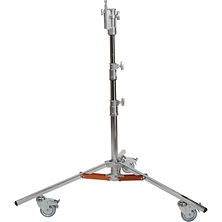
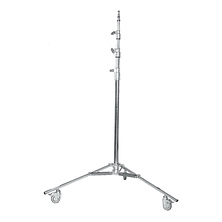
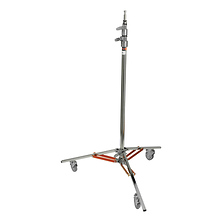
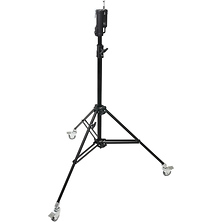
Overhead roller stands extend to significant heights and move smoothly on wheels, allowing you to position lights high above your subject. Kupo overhead roller stands reach heights up to 14 feet with load capacities of 88 lbs, featuring adjustable minimum heights for low-angle setups. These stands handle heavier professional lighting kits and are standard in large studios where ceiling-mounted flexibility matters.
Reverse Stands and Compact Designs
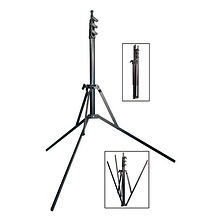
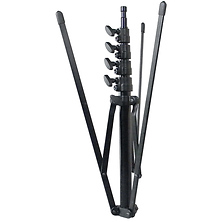
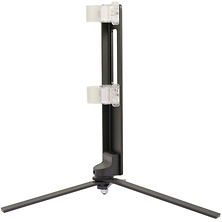
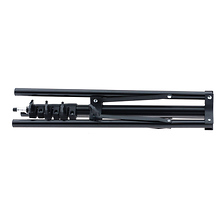
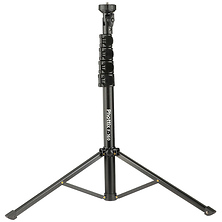
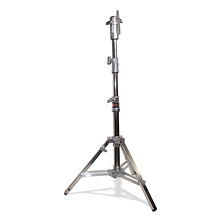
Reverse stands fold compactly for travel while still supporting useful load capacities. Matthews reverse stands fold to under 23 inches, support up to 11 lbs at maximum extension, and work well for compact location kits. These designs are popular with location photographers who need to minimize gear weight and packing volume.
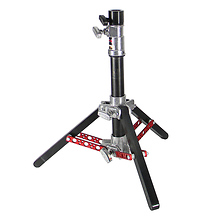
Mini Slider Stands
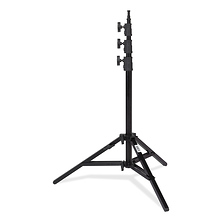
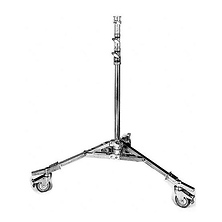
Mini slider stands keep lights low and close to the ground for specific creative angles. Matthews mini slider stands support up to 80 lbs, giving you stable support for lights positioned at table height or below, essential for product and macro work.
Key Features to Consider When Choosing a Stand
Load capacity determines what fixtures your stand can safely support. A stand rated for 26.5 lbs works for small flashes and reflectors, while 80+ lb capacities handle strobes, continuous lights, and multi-fixture rigs. Maximum height affects how high you can position lights above your subject, with options ranging from 7 feet for compact stands to 14 feet for overhead systems. Minimum height matters equally for low-angle positioning.
Material construction affects durability and weight. Aluminum stands are lighter and easier to transport, while steel components add rigidity for heavier loads. Leg locking mechanisms determine how smoothly you adjust height and how securely your stand holds position during a shoot. Air-cushioned systems and friction locks each have advantages depending on your workflow.
Base footprint and leg design influence stability. Wider bases distribute weight more effectively than narrow designs. Air-cushioned stands add shock absorption, while friction locks and threaded extensions provide secure height positioning. Professional stands combine all three features.
Who Uses Light Stands and Why
Studio photographers rely on light stands to position strobes, continuous lights, and modifiers in repeatable configurations. Having multiple stands lets you build complex three-light or four-light setups that stay locked in place throughout a session.
Location and wedding photographers need compact, portable stands that travel easily and set up quickly in unpredictable spaces. Lightweight designs like reverse stands or compact models minimize pack weight while still providing stable support.
Video and film production crews use robust overhead stands and C-stands to position key lights, fill lights, and practical fixtures on set. Professional stands need to withstand frequent adjustments and hold heavy professional video lighting equipment reliably.
Product and macro photographers use mini slider stands and low-profile designs to position lights at specific angles and heights relative to small subjects, enabling precise control over shadows and highlights.
Complete Your Setup at Samy's
Samy's Camera carries light stands from industry-leading brands including Manfrotto, Kupo, Matthews, Westcott, Godox, Nanlite, Avenger, Lowel, and Sirui. Browse Studio & Lighting to compare overhead roller stands, C-stands, and specialty designs side by side. Many stands pair perfectly with Strobe Lighting, Continuous Lighting, and Light Stands & Grip Equipment for complete setups.
Frequently Asked Questions
What's the Difference Between a C-Stand and a Light Stand?
C-stands have a compact C-shaped base with sliding legs, designed for tight spaces and precise positioning. Traditional light stands have wider, triangular bases for stability and typically reach greater heights. C-stands excel for flagging, diffusion, and on-set work, while light stands work better for studio floor setups supporting heavy strobes.
What Load Capacity Do I Need for Studio Strobes?
Most professional strobes (500-1200 watt-seconds) weigh 3-8 lbs with a modifier attached. A stand rated for 26.5 lbs comfortably supports a single strobe, while heavier rigs with multiple lights need 80+ lb capacity stands.
Can I Use Light Stands for Video Lighting?
Yes. Video lighting rigs are often heavier than still photography setups, so choose stands rated for 80 lbs or higher. Overhead roller stands work particularly well for professional video production where stability and height flexibility matter.
How Do I Transport Light Stands Safely?
Compact and reverse stands fold to 20-30 inches for bag transport. Heavier stands benefit from padded stand bags or rolling cases. Always check maximum weight limits on carrying cases to avoid exceeding safe load ratings.
What's the Best Base Design for Stability?
Wider, triangular bases distribute weight more effectively than narrow designs. Air-cushioned stands add shock absorption, while friction locks and threaded extensions provide secure height positioning. Professional stands combine all three features.
Do I Need Multiple Stands for a Complete Lighting Setup?
Most professional studios run three to four stands for key, fill, and rim light positions. Two stands work for portrait and product work, while larger commercial setups often have five or more. Start with stands matched to your most common shoots and add over time.
Shop Light Stands Today
Quality light stands transform how you work. A stable stand that responds smoothly to height and tilt adjustments lets you focus on lighting, composition, and your subject instead of struggling with equipment. Browse Studio & Lighting at Samy's Camera to find stands that match your work style, budget, and load requirements. Shop from trusted brands or visit one of our store locations to see stands in person and ask questions about your specific setup.